
Saying Goodbye to Your Dog
Whether you have an elderly dog or simply a dog with health issues, you are likely concerned about your dog's quality of life. You might be asking you

Atopic dermatitis in dogs is a common allergy-related skin condition that causes itching and irritation and can lead to skin infections. It may be confused with other skin problems, so knowing the signs and causes of this reoccurring issue can help you get your dog relief and potentially avoid what contributes to the problem. Here's what pet parents need to know about atopic dermatitis in dogs.
Canine atopic dermatitis, or CAD, is a common allergic skin disorder that causes itchy, inflamed skin. Also called allergic dermatitis or canine atopy, this skin problem occurs when immunoglobulin E (IgE) antibodies in the immune system respond to environmental allergens by producing itching and inflammation. Dogs lick and scratch the skin, creating a cycle of skin trauma, discomfort, and inflammation, which can lead to infection.
The term atopy is used to describe an excessive IgE-mediated immune response. Dermatitis refers to skin inflammation and is associated with several skin conditions:
The above conditions may occur when dogs are allergic to environmental substances.
Atopic dermatitis typically causes itching, redness, and lesions on the dog's skin. It's often a chronic condition and can occur year-round, seasonally, or situationally depending on the underlying cause of the problem. The symptoms of atopic dermatitis in dogs can vary in appearance and severity.
Itching is the most commonly seen symptom of dermatitis in dogs. Dogs with atopic dermatitis may itch more severely at night, so owners often notice collars jingling while trying to sleep.
Bacteria causes reddened skin in dogs with dermatitis. Your dog's scratching may exacerbate this redness.
You may notice hot spots on your dog, also known as acute moist dermatitis. These are wet, itchy sores that often occur on a dog's face or flanks. If scratched, the sore may excrete a clear liquid.
Hair loss is symptomatic of more than one form of dermatitis. Flea allergic dermatitis may cause dogs to lose hair if they repeatedly scratch their itch until some of their coat falls out. Scratching as a symptom of atopic dermatitis can also lead to hair loss.
Dogs with skin or ear infections may develop an odor. This odor could be a symptom of yeast or bacterial overgrowth, dried wound secretions, or excess oils. A foul odor is commonly associated with seborrhea.
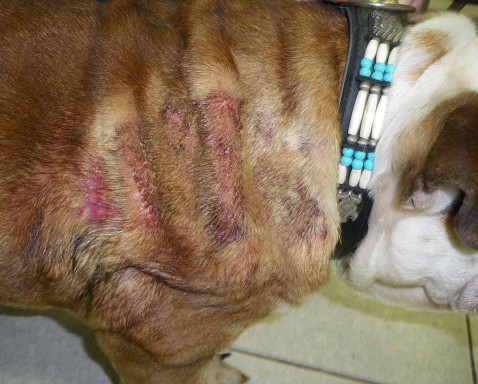
Atopic dermatitis is a genetic skin disorder caused by an extreme immune system response to environmental allergens. In a normal dog, the outer layer of the skin (epidermis) acts as a barrier against potentially harmful materials. However, atopic dogs have a defective epidermis, which allows substances to penetrate the skin. This stimulates the immune system to overreact, producing intense itching and inflammation.
Common allergens include pollen, mold, grasses, dust mites, dander, and fleas. However, any substance can cause an allergy.
Atopy is considered an inherited condition, and certain dog breeds are predisposed. A specific genetic marker or gene variant has yet to be discovered.
To diagnose atopic dermatitis, your veterinarian will perform a complete physical examination and discuss your dog's full history. Next, they'll likely recommend diagnostic tests to learn more, which may include:
If the vet suspects environmental allergens, they may recommend allergy testing. This may involve drawing a blood sample and/or conducting a specialized skin test.
The treatment for atopic dermatitis will depend on the severity of the symptoms. In many cases, the veterinarian will take a multi-faceted approach. Treatment aims to control itching and inflammation, treat secondary problems, and prevent exposure to allergens (when possible).
Your veterinarian may recommend a medication to reduce itching and inflammation, such as antihistamines, steroids, anti-inflammatories, Apoquel, or Cytopoint. Some dogs need antibiotics or antifungals to treat secondary infections. Topical treatments, such as medicated baths, sprays, wipes, or mousses may also be prescribed.
You can't remove all allergens from your dog's environment, but you can take steps to minimize your dog's exposure. Routine bathing and brushing can reduce microscopic allergens on your dog's skin and coat. Vacuum and dust regularly and wash bedding frequently with hypoallergenic detergent.
Because fleas often cause or exacerbate atopic dermatitis, keep your dog on an effective flea control product recommended by your vet. It can be difficult to eradicate fleas in a home due to the hardy pupal stage of the flea. A vet may recommend regular cleaning and long-lasting treatments.
Allergen-specific immunotherapy is often effective for environmental allergies. This first necessitates allergy testing to determine specific allergens, and then a special injectable serum is developed. Allergy shots are given over time in increasing amounts, which gradually desensitize the dog's immune system.
The prognosis for dogs with atopic dermatitis varies greatly depending on the severity and cause of the dog's allergic reaction. Atopic dermatitis rarely resolves itself without treatment.
At the beginning of treatment, you should anticipate frequent visits to the veterinarian. With time, if symptoms improve, checkups will become more infrequent.
Keep a close eye on your dog's symptoms and ensure your healing dog doesn't relapse. The discomfort caused by untreated dermatitis can alter a dog's personality and lead to anxiety or shyness.
Many dogs are predisposed to developing atopic dermatitis based on their breed, so it isn't always preventable. In a study of Labradors and Golden Retrievers, 65% of the puppies were born with dermatitis if both parents also had atopic dermatitis, and 21-57% were born with it if only one parent had it. Dogs with atopic dermatitis should not be bred.
Avoiding allergens will help decrease the prevalence and severity of atopic dermatitis. Supplements containing omega-3 fatty acids, beta-glucan, hardy kiwi, ceramides, palmitoylethanolamide (PEA), and other ingredients to support skin health can benefit your dog. Regular bathing and foot baths can be helpful as well. Finally, regular use of flea preventatives will help prevent flea allergy dermatitis.
Some breeds are more likely to develop dermatitis than others. Female dogs may have a slightly higher risk than males, but any dog can develop atopic dermatitis.
The sores on your dog, sometimes called "hot spots," are known as acute moist dermatitis. The sores will develop on the dog's face and flanks and may excrete a clear liquid if scratched. These sores are painful for your dog and should be diagnosed and treated as soon as noticed.
Since there are many forms of dermatitis in dogs, it isn't always clear which specific condition is causing your dog's symptoms. In order to diagnose definitively, bring your dog to the vet for a full examination.
Your dog can have fleas without having flea allergic dermatitis. Fleas can cause dermatitis, and scratching that comes with flea-related itchiness can cause additional skin irritation.

Whether you have an elderly dog or simply a dog with health issues, you are likely concerned about your dog's quality of life. You might be asking you

No one wants to think about pet euthanasia. It's hard to know when the time is right to humanely end your pet's pain and suffering, and the death of a

Heartworms are a common occurrence in dogs and are a growing concern for cats. Like intestinal worms, heartworms are internal parasites that cause har
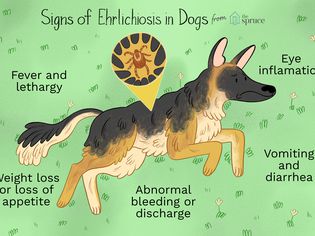
Ehrlichiosis is a disease spread to dogs by ticks. The bacteria carried by the tick attacks a dog's white blood cells and can cause symptoms such

There's a pretty good chance your dog has had diarrhea at some point. Diarrhea is characterized by the passing of watery or very soft stool and is one

The pug is an instantly recognizable and incredibly lovable dog who's popular for good reason—but some pug mixes are just as popular. A few popular pu
The German shorthaired pointer (or GSP) is a medium-to-large sporting breed native to Germany with a slim build, floppy ears, and signature liver brow

The boxer dog loves their humans more than anything—and that definitely includes children. This makes them a great family dog. Boxers are misunderstoo
We are a comprehensive and trusted information platform dedicated to delivering high-quality content across a wide range of topics, including society, technology, business, health, culture, and entertainment.
From breaking news to in-depth reports, we adhere to the principles of accuracy and diverse perspectives, helping readers find clarity and reliability in today’s fast-paced information landscape.
Our goal is to be a dependable source of knowledge for every reader—making information not only accessible but truly trustworthy. Looking ahead, we will continue to enhance our content and services, connecting the world and delivering value.