
How to Stop Your Dog From Biting
Dogs are everywhere, so preventing dog bites is a necessity. Although some dogs are friendlier than others, any dog is capable of biting, regardless o
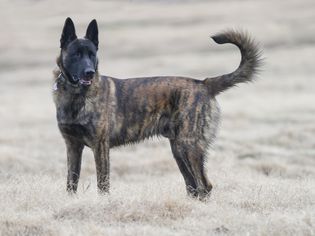
The Dutch shepherd is a medium-sized dog with a wedge-shaped head, flat skull, erect triangular ears, and soulful dark almond-shaped eyes. The dogs originated in the Netherlands, but the breed is often confused with German shepherds and Belgian Malinois. While they do share very similar ancestry, this less common breed is regarded as easier to train and can make a great family pet in an active home.
Here’s everything you need to know to see if this dog is right for you.
GROUP: Herding
HEIGHT: 22.5 to 24.5 inches (males); 21.5 to 23.5 inches (females)
WEIGHT: 45 to 75 pounds
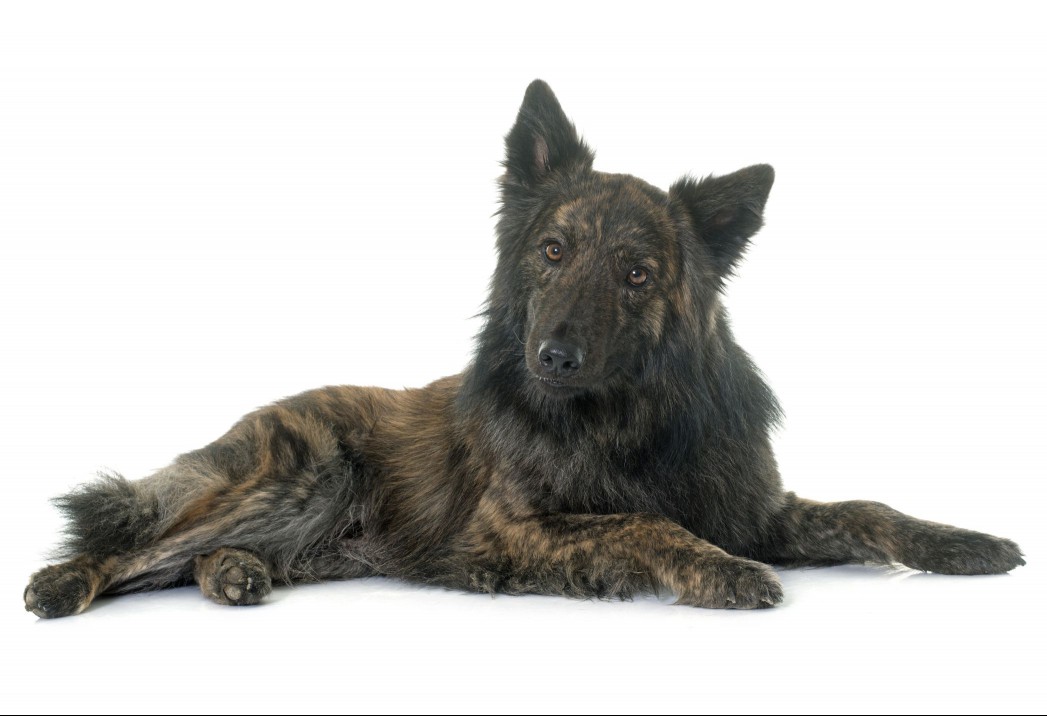
COAT: Short, long, and rough-coated varieties
COAT COLOR: Brindle
LIFE SPAN: 11 to 14 years
TEMPERAMENT: Reliable, affectionate, loyal, alert, obedient, trainable
HYPOALLERGENIC: No
ORIGIN: Netherlands
Dutch shepherds have high intelligence, a great temperament, and working skills, but they can be quite independent. However, they are affectionate, steadfast, and loyal dogs that form strong attachments with their family. With the right introductions, they live well with other dogs and children, too.
| Affection Level | High |
| Friendliness | High |
| Kid-Friendly | High |
| Pet-Friendly | High |
| Exercise Needs | High |
| Playfulness | Medium |
| Energy Level | High |
| Trainability | High |
| Intelligence | High |
| Tendency to Bark | Medium |
| Amount of Shedding | High |
As with most shepherd dogs, the Dutch shepherd was originally developed for their herding skills. They are also sometimes known as Dutch herders. They were in demand because of the high volumes of arable and livestock farming in the Netherlands in the 19th century. Their all-round capabilities meant they were also often put to use as farm guard dogs. Their strength meant they could even pull carts.
The first breed standard was recognized in 1898, and, then, in 1914, it was updated so that only the brindle coloring was accepted. This helped to distinguish them clearly from their German and Belgian shepherd relatives.
By the early 20th century, farming was becoming more industrialized and land reclamation was common. These modern farming techniques meant that the skills of the Dutch shepherd were no longer in demand. During World War II, breeding pretty much came to a halt, and many dogs perished as a result of the fighting. These wonderful dogs almost became extinct. Although enthusiasts reestablished breeding programs after the war, the Dutch shepherd is still considered a rare breed to this day. When they aren't adopted as pets, they are often used by the police and military for search and rescue, and also as assistance dogs.

A Dutch shepherd will usually thrive in a home that is active, stimulating, and responsibly grooms the dog. They are not suited to being left alone for long periods. Problem behaviors are likely to surface if they do not get enough enrichment. They can be strong-willed and independent. This, combined with their fierce intelligence, means they will develop their own way of doing things if they do not receive clear training.
This breed needs decent daily walks and exercise sessions that range between 30 to 60 minutes. Ideally, a Dutch shepherd will live with a family that offers them a chance to "work" since they excel in competitive dog sports like agility, nose work, and obedience.
These shepherds love to run, so an exercise like Frisbee will be much appreciated. When they receive appropriate amounts of mental and physical enrichment, they are usually then reserved and calm around the home, and not regarded as high maintenance.
The Dutch shepherd's brindle coat comes in three varieties: short and smooth, long-haired, and wire/rough-coated. The wire-haired variety is scarce. For the smooth and long-haired types, weekly grooming will be required to remove loose hair and keep their coat and skin in good condition.
Their coats are water-resistant, so frequent bathing is usually not necessary. During their annual molts in spring and fall, you may need to use a good de-shedding tool like a Furminator and have the vacuum cleaner on hand.
Early, appropriate, and ongoing positive training and socialization will be required with a Dutch shepherd. This is one of the smartest dog breeds, so when you do work on their training, you will likely be amazed at how quickly they pick up your cues and enjoy learning.
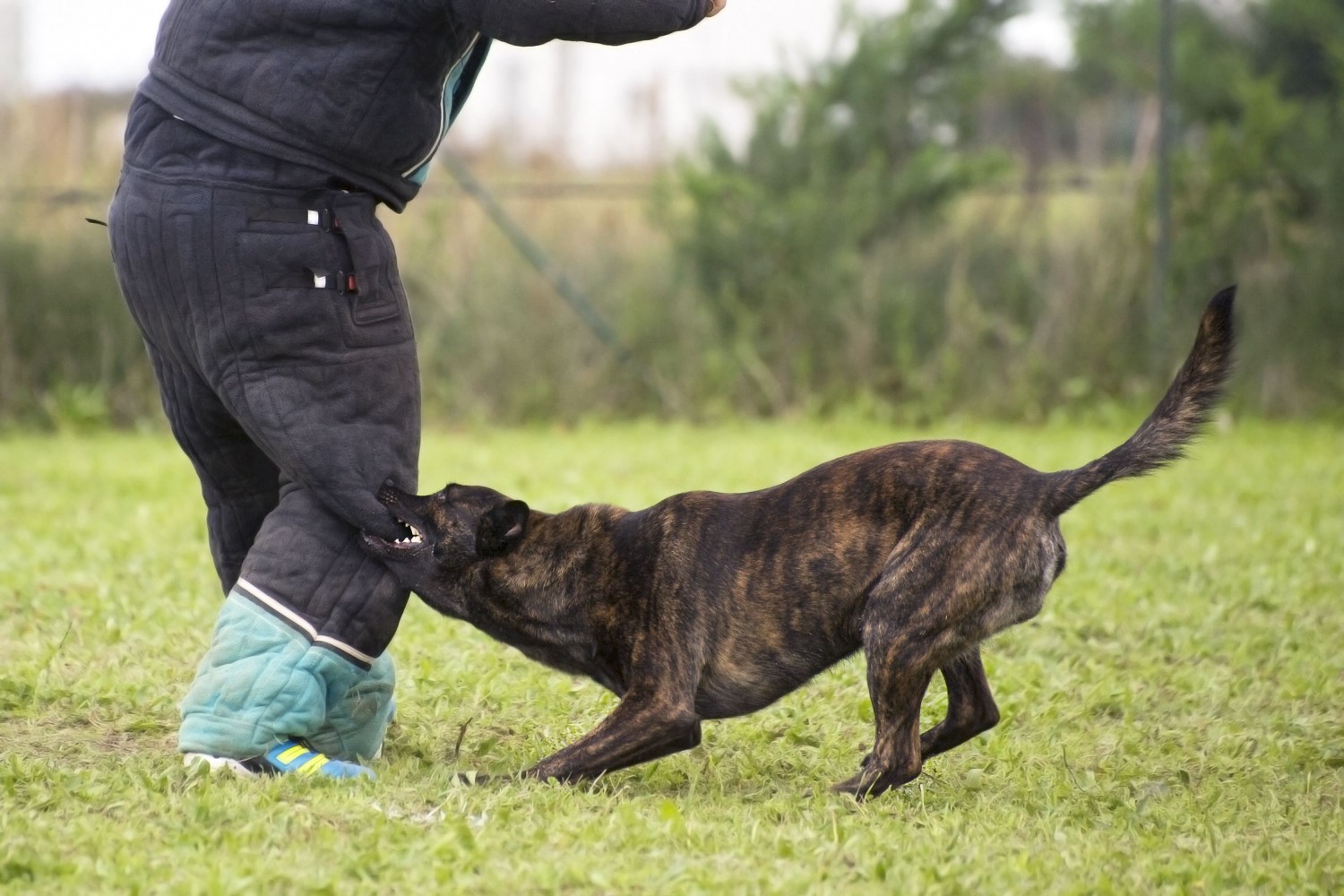
Their natural guarding instincts can mean that they will be protective and territorial, and training will be required to ensure this is channeled appropriately. Because of this breed’s intelligence, these dogs also perform well when trained to work with police and military.
You should also be mindful of their herding instincts too. Be ready to ask for alternative behaviors if they start to focus too much on herding and chasing.
Unlike their exceptionally popular relative, the German shepherd, the Dutch shepherd has very few inheritable conditions and is regarded as a very healthy breed in general.
The few conditions that can be a problem occur in relatively low numbers. A good breeder will have performed relevant health checks on prospective parents.
As with any dog, it is important to feed your Dutch shepherd a high-quality and appropriately portion-controlled diet. If they are leading a particularly active lifestyle, then you may need to consider feeding a food higher in protein or specially formulated for active dogs.
Generally, you can expect to feed an adult Dutch shepherd up to 4 cups of food per day, split between two meals. Your veterinarian can guide you when it comes to the appropriate amount of food for your unique dog based on their age, size, activity level, and the particular food you’re providing.
If you're able to adopt a Dutch shepherd, you might pay around $300. But most likely, you will need to find a breeder for this dog. This dog is pricey to buy from a breeder, so expect to pay between $1,000 to $3,500 or more.
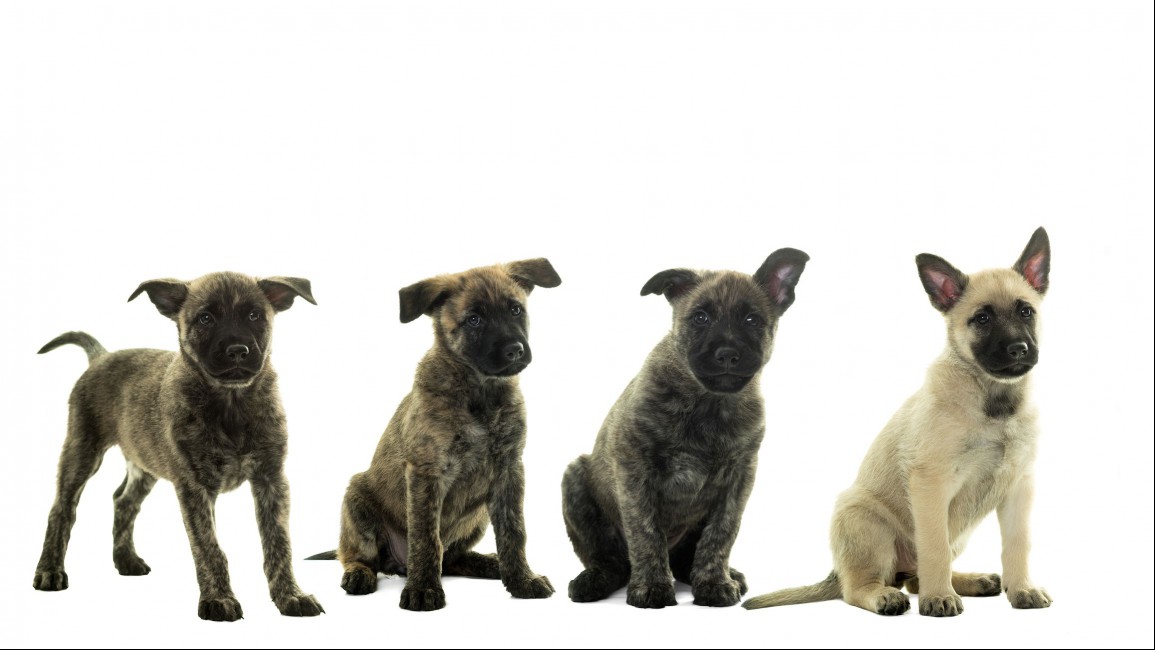
While the Dutch shepherd is a rare breed, there are several passionate, dedicated, and responsible breeders out there. Always do your research and make sure that they have done the appropriate health screen tests on the parents. You should see mum and her pups together in a nurturing home environment. Also, the pups should not go to their new home until they are at least eight weeks old.
A good place to start your research would be the Dutch Shepherd Dog Club of America.
If you want to open your home up to a dog looking for a loving forever home, then why not consider adoption? Get in touch with Rescue Me! to find out if any Dutch shepherds are looking for homes in your area.
The Dutch shepherd is a highly intelligent and energetic dog that thrives on learning, playing, and working. Although they can make great family pets, they do best with active people who can give them the physical exercise and mental stimulation they crave.
Not sure if the Dutch shepherd is the right dog for you? It is always important to do your research and consider whether you can offer the right type of home for a breeds personality traits and exercise requirements. If you want to look at some other similar breeds, why not read about:
There’s a whole world of potential dog breeds out there—with a little research, you can find the right one to bring home!
No one really knows why there are so few wire-haired Dutch shepherds bred or available worldwide. It's estimated that there are about 500 wire-haired Dutch shepherds in the world, and only a handful are in the United States.
This breed is very affectionate, so a Dutch shepherd will always nudge you for belly rubs. This dog will also feel comfortable resting their paws on your lap and rubbing their face into your arms or legs. But in general, most dogs, including the Dutch shepherd, do not like to be squeezed tight during cuddling sessions, though a few breeds may allow a hug now and then.
A Dutch shepherd may not be the best choice for a first-time dog owner. That's because this breed needs a lot of daily exercise, mostly in the form of running. If a first-time owner is not aware of how much physical and mental stimulation, as well as training, that this superior intelligent dog needs, the match may not last because the dog will begin to act out in destructive ways.
Dogs are everywhere, so preventing dog bites is a necessity. Although some dogs are friendlier than others, any dog is capable of biting, regardless o

While it may be true that the holidays are the most wonderful time of the year, it’s certainly not the safest time of the year for our dogs! There are
A female dog in heat will undergo several physical and behavioral changes throughout her heat cycle. Some common behaviors of a female dog in heat inc

You might have heard that feeling a dog's nose can reveal something meaningful about its health, but what do the temperature and wetness of your pup's

Neosporosis is a neuromuscular disease caused by infection with a protozoan, which is a one-celled organism. Although many infected adult dogs do not
They say that “big things come in small packages”—and that’s definitely true of the Pomchi. Pomchis are a cross between a Pomeranian and a Chihuahua.
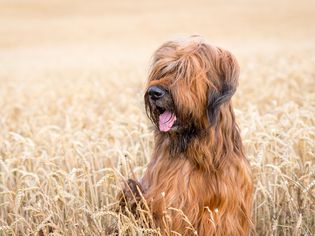
The Briard dog is a large herding breed from France with either floppy or pointed ears, a sturdy body, wavy fur, and shaggy facial hair. These quick a
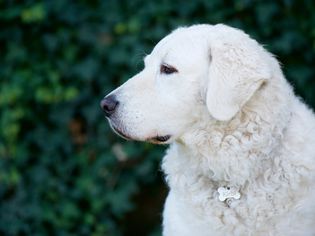
The Kuvasz (pronounced Koo-vazz) is a large-to-giant working breed from Hungary with a thick double coat, strong body, and solid white fur. These dogs
We are a comprehensive and trusted information platform dedicated to delivering high-quality content across a wide range of topics, including society, technology, business, health, culture, and entertainment.
From breaking news to in-depth reports, we adhere to the principles of accuracy and diverse perspectives, helping readers find clarity and reliability in today’s fast-paced information landscape.
Our goal is to be a dependable source of knowledge for every reader—making information not only accessible but truly trustworthy. Looking ahead, we will continue to enhance our content and services, connecting the world and delivering value.