
How to Stop Your Dog From Humping
Humping is a common behavior in dogs, but it can be embarrassing at times. It's particularly cringe-worthy if your dog likes to hump people, especiall
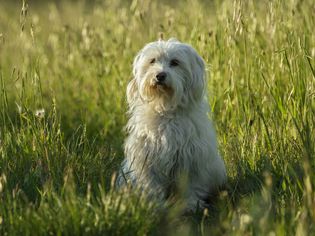
The coton de Tulear is a small, fluffy dog from Madagascar known for their affectionate, clownish personality. Related to the bichon frise and Maltese, cotons were bred to be friendly companion dogs.
Coton de Tulears generally form incredibly close bonds with their family and are good with kids, strangers, and other pets. They’re low-maintenance and can easily adapt to apartment living or larger homes, though they don’t like being left alone and can develop separation anxiety.
Learn more about the history, characteristics, and care needs of the coton de Tulear.
Group: Non-Sporting
Height: 9 to 10 inches (females); 10 to 11 inches (males)
Weight: 8 to 13 pounds (females); 9 to 15 pounds (males)
Coat: Waxy, long double coat
Coat Color: White, can have gray or yellow markings
Life Span: 15 to 19 years
Temperament: Affectionate, companionable, playful
Hypoallergenic: Yes
Origin: Madagascar
The coton de Tulear generally has a very sweet personality. These dogs love people and even other dogs.
They make loyal companions and will prefer spending as much time with you as possible, whether lying at your feet while you work, going on drives with you, or following you from room to room. And when you’re busy, they’ll take a nap and wait for you to have the time to dedicate to them.
These dogs also can have quite a lively and playful temperament but don’t tend to bark much, though they will bark to alert you to sounds, intruders, the doorbell, or anything else that they think you should know about.
Your coton might even learn the non-barking vocalizations that are best for getting your attention and letting you know what they want. They’re also known for tilting their head when you speak to them—this is known as the coton head tilt.
| Affection Level | High |
| Friendliness | High |
| Kid-Friendly | High |
| Pet-Friendly | High |
| Exercise Needs | Medium |
| Playfulness | High |
| Energy Level | Medium |
| Trainability | Medium |
| Intelligence | Medium |
| Tendency to Bark | Low |
| Amount of Shedding | Low |
The coton de Tulear breed gets its name from the dog's cotton-like coat and the seaport town of Tulear in Madagascar.
The breed’s history is unclear, but its ancestors likely arrived in Madagascar in the 16th and 17th centuries. During that time, sailors kept little canine companions, such as the Maltese. The small dogs that arrived in Madagascar bred with the native dogs, ultimately resulting in the coton de Tulear.
The people of Madagascar doted on these little white dogs and largely kept the breed isolated to the island. Through selective breeding, they fine-tuned the dogs’ health, temperament, and appearance. Today’s cotons rarely have genetic health issues as long as they come from reputable breeders.
French tourists stumbled upon the breed in the 1960s, and after that, the cotton de Tulear began to spread around Europe and North America. The American Kennel Club eventually recognized the breed in 2014.
The coton de Tulear has moderate exercise needs and usually responds well to training, but they do require a consistent grooming routine.
Cotons are medium-energy dogs, but thanks to their small size, roughly an hour of exercise per day should suffice. Morning and evening strolls are ideal, along with games of fetch and other playtime activities. Plus, this breed tends to enjoy dog sports, including obedience, rally, and agility.
Puzzle toys are also a great way to exercise a coton’s body and mind. These dogs can get bored easily without enough activity, and they might find destructive ways to entertain themselves. So make sure you can dedicate enough time to exercising your dog.
The coton de Tulear is considered a hypoallergenic breed, so they could be a good option for those with allergies—but there is no such thing as a completely allergen-free dog.
While they are a lower-allergen breed, they do require a consistent grooming routine. Start grooming them regularly at a young age to get them used to being brushed and handled, which will save you both discomfort through the years.
Because the coton de Tulear has long, dense hair, their coat should be brushed at least three times per week with a pin brush. Take extra care around the ears, legs, and elbows where the coat is more likely to mat or tangle. If your coton has very tough mats or tangles, try spritzing them with a conditioning spray and gently remove them with your fingers.
How often your coton de Tulear needs a bath depends largely on their exposure to dirt and dust and the frequency with which you brush them. In general, more brushing means fewer baths. When you bathe your coton, pat them dry—don't rub—to prevent tangling their hair. You can also use a whitening shampoo if their coat is looking dingy.
Check your coton's ears at least weekly for wax buildup, debris, and irritation. Also clip their nails regularly, and frequently brush their teeth.
Cotons are highly intelligent and trainable and can perform in agility or obedience. Start training and socializing your coton using positive training methods as soon as you bring them home.
Aim to expose your coton to different people, other dogs, and various locations from an early age to build their comfort and confidence. Most cotons tend to be charming and curious when meeting new people and having positive experiences can reinforce this.
These dogs aren’t considered the best watchdogs, even though they can be protective of their family and bark to alert you to things.
Cotons are generally an extremely healthy breed. While hereditary health issues are uncommon, some can occur, including:
Always have fresh water available for your coton. And feed a high-quality, nutritionally balanced canine diet. It’s typical to feed two measured meals per day, and you might feed a total of 3/4 cup daily.
Discuss both the quantity and type of diet with your vet to ensure that you’re meeting your dog’s individual needs. Monitor treats and other extra food closely, as even weight gain of a pound can be a lot for this little dog.
The coton de Tulear is a rare breed, so expect to pay around $2,000 to $4,000 for a puppy from a reputable breeder, though this can vary widely.
It’s also worth checking local animal shelters and rescue groups for a dog in need of a home.
For further information to connect you with a coton de Tulear, check out:
The coton de Tulear isn’t just an adorable pet with a beautiful coat; these dogs make amazing companions that will be devoted to you and enjoy doing a variety of things with you. Just be prepared to spend a good amount of time making sure their coat remains healthy.
Before bringing home a coton de Tulear, do your research to make sure the breed is right for your lifestyle. Talk to breed owners, rescue groups, reputable breeders, and veterinarians. Try to spend some time with cotons if possible.
If you're interested in similar breeds, check out:
The coton de Tulear is still a rare breed around the world, as it has even faced extinction at times due to having a small gene pool. But there are breeders and organizations dedicated to preserving it.
Properly trained and socialized cotons can be excellent family dogs. They generally are gentle and patient with well-mannered kids.
Cotons are expensive. A reputable breeder might charge $2,000 to $4,000, on average, for a coton de Tulear.

Humping is a common behavior in dogs, but it can be embarrassing at times. It's particularly cringe-worthy if your dog likes to hump people, especiall

Sepsis is a serious and sometimes life-threatening condition that can affect any dog. It is a result of an infection that enters the bloodstream that

Warts are fairly common on dogs, but although unsightly, they aren't usually a problem or a threat to your dog's health. While the hands and f

Is your dog vomiting? Although dog puke can be messy and unpleasant, the good news is vomiting in dogs is usually not a dire emergency. However, you s
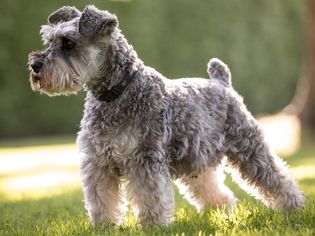
The miniature schnauzer is a small terrier dog from Germany who was bred as a farm dog meant to exterminate vermin. Today, these hardy, feisty little

The American pit bull terrier is a medium-sized terrier dog breed native to the United States with a short coat, well-muscled body, and big smile. Whi
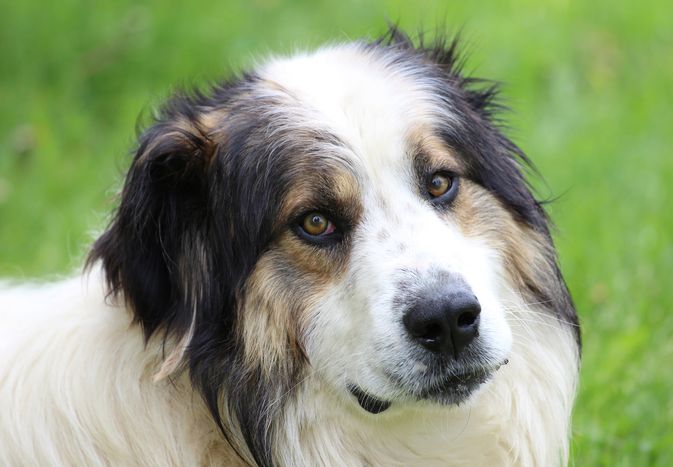
The Tornjak, also known as the Bosnian-Herzegovinian and Croatian Shepherd Dog, is a large guardian dog breed with a square body outline, deep chest,

Just because you are getting older or are retired doesn't mean your dog-owning days are behind you. A dog can be a wonderful companion for a senio
We are a comprehensive and trusted information platform dedicated to delivering high-quality content across a wide range of topics, including society, technology, business, health, culture, and entertainment.
From breaking news to in-depth reports, we adhere to the principles of accuracy and diverse perspectives, helping readers find clarity and reliability in today’s fast-paced information landscape.
Our goal is to be a dependable source of knowledge for every reader—making information not only accessible but truly trustworthy. Looking ahead, we will continue to enhance our content and services, connecting the world and delivering value.