
How to Stop Your Dog From Fearing Men
Your dog may be perfectly calm and have no behavior problems around women and children, but it may become a completely different dog when a man enters
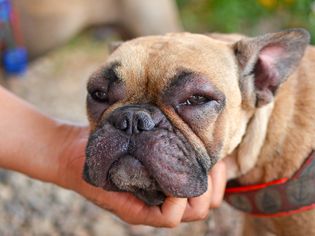
A dog's swollen face typically indicates a secondary problem. It can be an allergic reaction, dental issue, trauma, or a growing tumor.
Most commonly, acute (sudden) facial swelling in dogs occurs as a result of an allergic reaction. Facial swelling that develops more slowly may be the result of a facial growth or tumor.
Although some facial swelling may not be serious, it almost always requires medical intervention to concretely determine the cause and proper treatment of it.
There are many possible reasons why your dog has a swollen face. Since facial swelling is a sign of an underlying problem, dogs will often show other signs of illness, such as lethargy and loss of appetite.
When a dog's face suddenly becomes swollen, it is usually caused by an allergic reaction. Allergic reactions may be caused by bug bites, bee stings, vaccinations, medications, certain foods, toxin exposure, pollen, and other environmental allergens.
Allergic reactions cause an inflammatory response in the body. This can lead to hives and swelling, especially on the face. You may especially notice swelling of the muzzle and eyelids. You may also see reddened skin and notice that your dog seems itchy and irritated.
Some allergic reactions get worse quickly, leading to vomiting, diarrhea, pale gums, weakness, or collapse. Mild reactions tend to improve with minimal intervention, but severe reactions are considered emergencies, and you should seek medical attention immediately.
Facial swelling may be related to a problem with the teeth or mouth. Tooth abscesses and other dental infections can go deep beneath the gums and cause a pocket to fill with pus. This usually causes a dog's face to become swollen, especially beneath the eye. Broken teeth, oral injuries, and periodontal disease may also make a dog's face swell.
An injury to the face, head, or skin can lead to facial swelling. Common injuries like animal bites and other wounds can lead to infections that cause swelling. Snake bites often cause swelling of the face and muzzle, locations where curious dogs are commonly bitten.
Abnormal growths can occur on the face and head. Sometimes tumors can cause pain and pressure buildup. Whether they are benign or malignant, facial tumors may spread and grow, causing damage to the facial nerves, muscles, and bones.
Cysts are fluid-filled growths that are often benign. However, they can become quite large and visible, especially on the face.

The Spruce / Hilary Allison
The proper treatment for dogs with a swollen face usually depends on the cause. Before proceeding with treatment, it's important to contact your vet for advice.
Extreme allergic reactions can have effects that extend beyond facial swelling and hives. Severe allergic reactions or anaphylactic reactions can cause sudden vomiting, diarrhea, collapse, or breathing changes. This is an emergency situation; get to the nearest open veterinarian immediately.
Mild to moderate allergic reactions may be treatable at home using medication. A reaction is considered mild to moderate if your dog is breathing normally and acting relatively normal (no more than slightly lethargic). In these cases, your vet may recommend giving an over-the-counter antihistamine. If your dog's face is swollen for some other reason (or unknown reasons), the next step is to bring your dog to the vet for an exam. Your vet will recommend treatment based on the diagnosis.
Facial swelling due to dental or oral problems may require professional dental work. The dog is often treated first with antibiotics and pain medication before coming in for anesthesia and a full dental cleaning and examination. Dental x-rays may be done while your dog is under anesthesia to evaluate the roots of the teeth. Depending on the cause, the vet may need to extract teeth or perform another kind of oral surgery. Your dog may be sent home with antibiotics to treat or prevent infection.
If trauma has occurred to the face or head, treatment depends on the nature and severity of the injury. X-rays may be necessary to help determine the severity. Begin by providing any first aid that is necessary, then get to the vet right away. Treatment may involve antibiotics, pain control, and supportive care. Serious injuries may require surgery. Snake bites are treated with supportive care and sometimes antivenin (if available and deemed necessary).
If your vet suspects a tumor and/or cancer, further testing will be needed to learn more. Your vet may recommend blood tests, x-rays, and testing of the tumor itself (usually a fine needle aspirate or biopsy is sent to a pathologist for microscopic analysis). Treatment depends on the diagnosis. Cancer may need to be treated with chemotherapy, radiation, and/or surgery.
If you know your dog has allergies, try to minimize exposure to allergens. If approved by your vet, use antihistamines as prevention. If your dog is known to have vaccine reactions, make sure your vet knows so your dog can be treated in advance, minimizing the reaction. If you see that your dog has been bitten by a bug, stung by a bee, or otherwise exposed to an allergen, treat right away with an antihistamine (ask your vet for advice on this).
You can easily prevent most dental issues by taking good care of your dog's teeth. Begin a dental care routine for your dog and stick to it. Your dog will be much less likely to develop a dental problem and you will be more likely to catch issues early on.
Trauma cannot always be prevented, but you can take steps to keep your dog safe in general. Do not let your dog roam free or play off-leash in non-fenced areas. Supervise interactions with other animals so you can prevent fights. Bring your dog to the vet right away if any kind of trauma occurs.
Tumors and cancer cannot really be prevented. However, early action can minimize the damage done. If you notice your dog has a swollen face, it's important to act right away.

Your dog may be perfectly calm and have no behavior problems around women and children, but it may become a completely different dog when a man enters

Labrador retrievers regularly top the list of most popular dog breeds. These smart, social dogs are known for their amiable temperaments and their pat
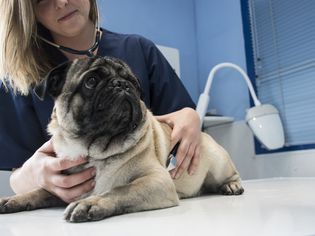
A dog may develop an intestinal blockage if they eat a toy or other non-food object, making it difficult for them to eat and poop. This problem can al

Paw pads offer insulation for a dog’s feet and provide traction while aiding with balance, slowing down, and stopping. They also act as shock absorber
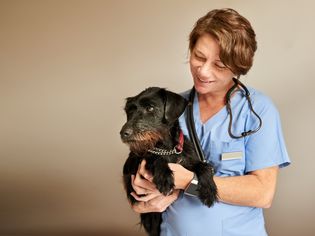
Diabetes mellitus, sometimes called DM or just diabetes, is not just something people can get. Unfortunately, our dogs and cats can become diabetic as
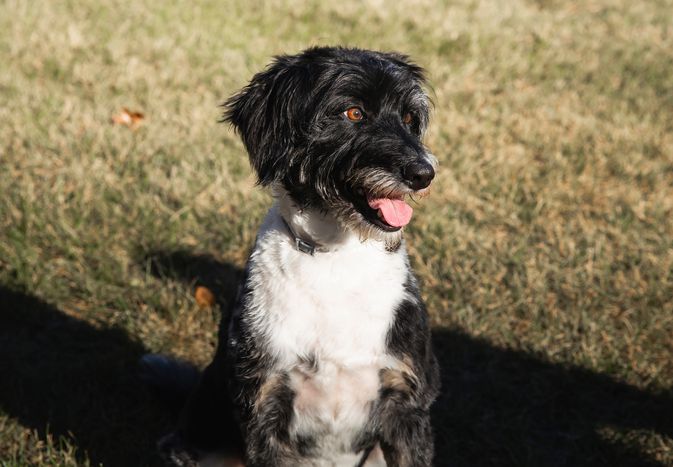
The border doodle is a cross between a border collie and a poodle. Also known as the “bordoodle,” “borpoo,” or “borderpoo,” this hybrid dog breed is u

The Gordon setter is a medium-large sporting dog breed from Scotland with a silky, medium-length double coat that comes in black with tan accents. The

The Great Pyrenees is a majestic, large-size working dog breed from France with a typically white double coat. This dog is known for a hard-working sp
We are a comprehensive and trusted information platform dedicated to delivering high-quality content across a wide range of topics, including society, technology, business, health, culture, and entertainment.
From breaking news to in-depth reports, we adhere to the principles of accuracy and diverse perspectives, helping readers find clarity and reliability in today’s fast-paced information landscape.
Our goal is to be a dependable source of knowledge for every reader—making information not only accessible but truly trustworthy. Looking ahead, we will continue to enhance our content and services, connecting the world and delivering value.