
How to Keep Your Dog off the Couch and Other Furniture
Whether you let your dog on the furniture or not is a hotly debated topic. Some people are very passionate about their stance on their dog's couch sur
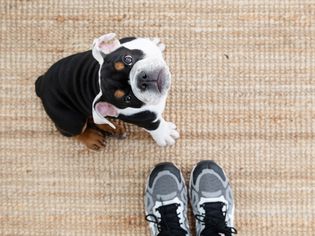
Whether you named your dog Shadow or not, there’s a good chance that your canine companion follows you around the house. Many dogs seem to love (or even need) to follow their owners around. While this generally is just a sign of your dog’s interest in you, it can also be a symptom of underlying anxiety or lack of confidence in your dog.
Whether you find your dog’s shadow-like behaviors cute, annoying, or concerning, you might want to learn why your pup does this. There are several common reasons for your dog to follow you around.
We bred dogs for generations and generations to want to be around us. The fact that most dogs spent their days alone is a really new thing for them. Because dogs are such social creatures, they are often strongly motivated to be in our presence as much as possible while we’re around.
Many dogs don’t really get enough physical and mental exercise every day. This can lead to them following their people all over the place, looking for something—anything—to do. If you give your dog a chew toy, does he stop? If so, he was probably bored!
If your dog hasn’t gone potty for a while and he’s suddenly glued to your side, it might be a sign that your dog needs to get outside! Many dogs become especially clingy when they are feeling unwell or otherwise need some help. Try taking your dog outside and see if he needs to go potty.
Some dogs rely on our social presence because they’re actually nervous about being alone. This can be a symptom of separation anxiety according to some studies. But many dogs that are generally “worried about life” also exhibit shadowing behavior, especially during storms or other worrisome times!
Watch your dog’s body language to determine if his shadowing behavior is motivated by fear of the unknown versus desire to be near you. An anxious dog may display pinned ears, wide eyes, grimaced panting, or increased tension as you get ready to leave. Dogs who are actually anxious might not be willing to eat a treat or play with a toy while you leave the room.
On the flip side, your dog may follow you around because you’re "The Bringer of Good Things." If you regularly engage with your dog in a positive way, your dog is probably just following you because you’re a good person to be around! Take it as a compliment and keep it up.
Some breeds are simply more predisposed to following their owners around than others! Herding breeds like Border Collies and Shelties, as well as guardian breeds like Great Pyrenees and German Shepherds are especially prone to following their owners around. Humans bred these dogs for thousands of years to follow around flocks of sheep. In the absence of sheep or other livestock, these dogs may follow their owners instead.
In general, the fact that your dog follows you around isn’t a big deal. There are two main exceptions to this rule: if you find it annoying or if your dog is actually distressed by being alone. There’s a big difference between your dog loving your presence and your dog hating to be alone.
Try putting your dog behind a baby gate or tying his leash to a door, then leave the room. Or, if your dog normally joins you in the bathroom, leave him outside for a moment. If your dog gets upset by this, then it’s time to work on some “independence training.”
It’s also okay to admit that your dog’s shadowing behavior is a bit much. We all love our dogs, but most of us also like to have a bit of personal space. In either case, follow the steps below to teach your dog to give you more space.
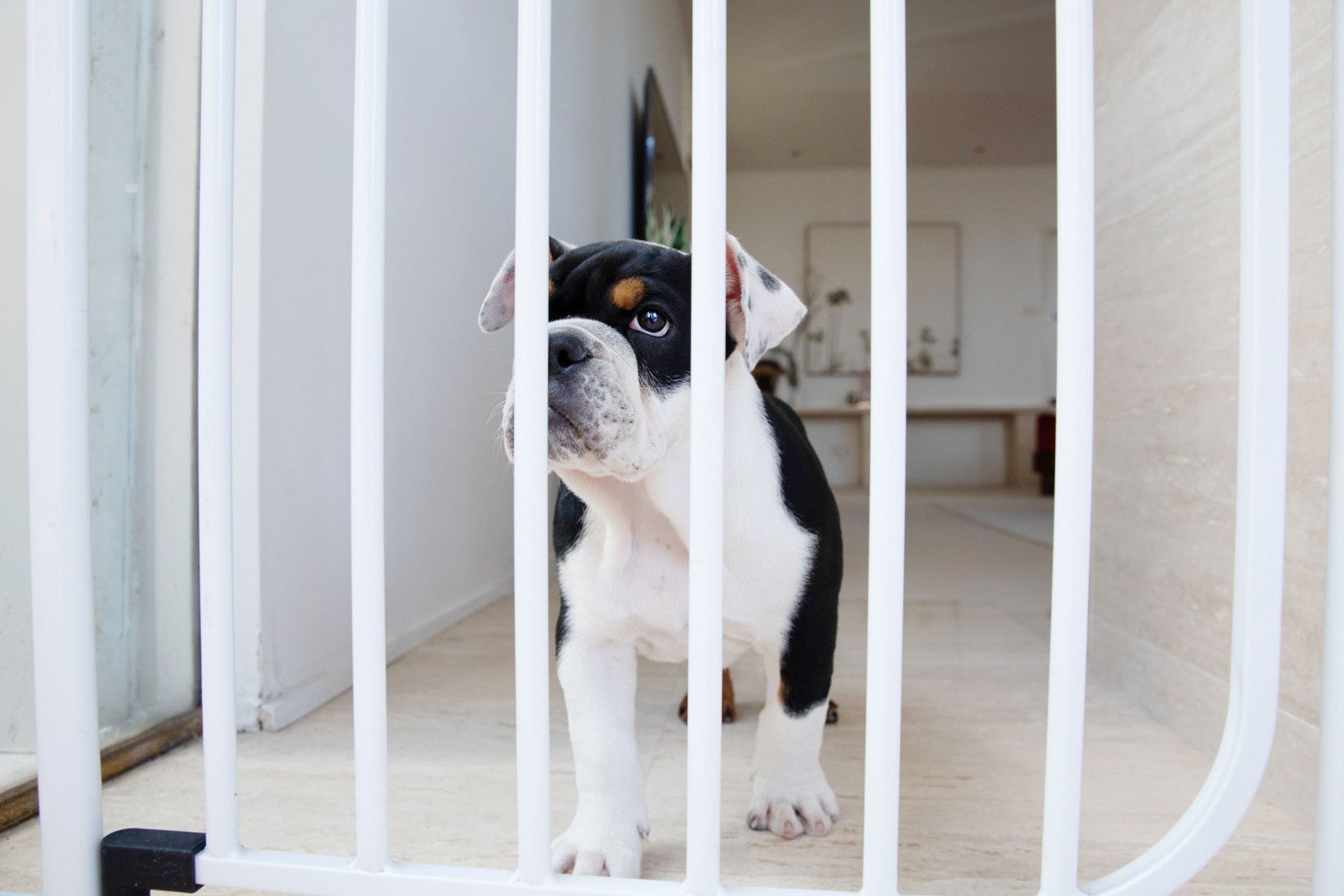
The Spruce / Kristie Lee
If you’ve determined that you’d like your dog to stop following you around, there’s a relatively simple solution: give him something else to do instead.
A helpful way to boost independence in clingy dogs is to teach them how to lie calmly on a bed, towel, or mat. There are several methods that can prove successful when it comes to training your pup how to do this. Karen Overall's Protocol for Relaxation, which teaches your pup to sit and remain calm no matter the circumstances, is one option.
In this method, take a new bed or mat and ask your dog to lie down on it. Each time he successfully does so, reward him with a treat. After he masters this command, begin incorporating distractions like setting treats down nearby or having a family member stand a few feet from his mat. Eventually, he will learn to lie down and stay on his designated mat for extended periods of time.
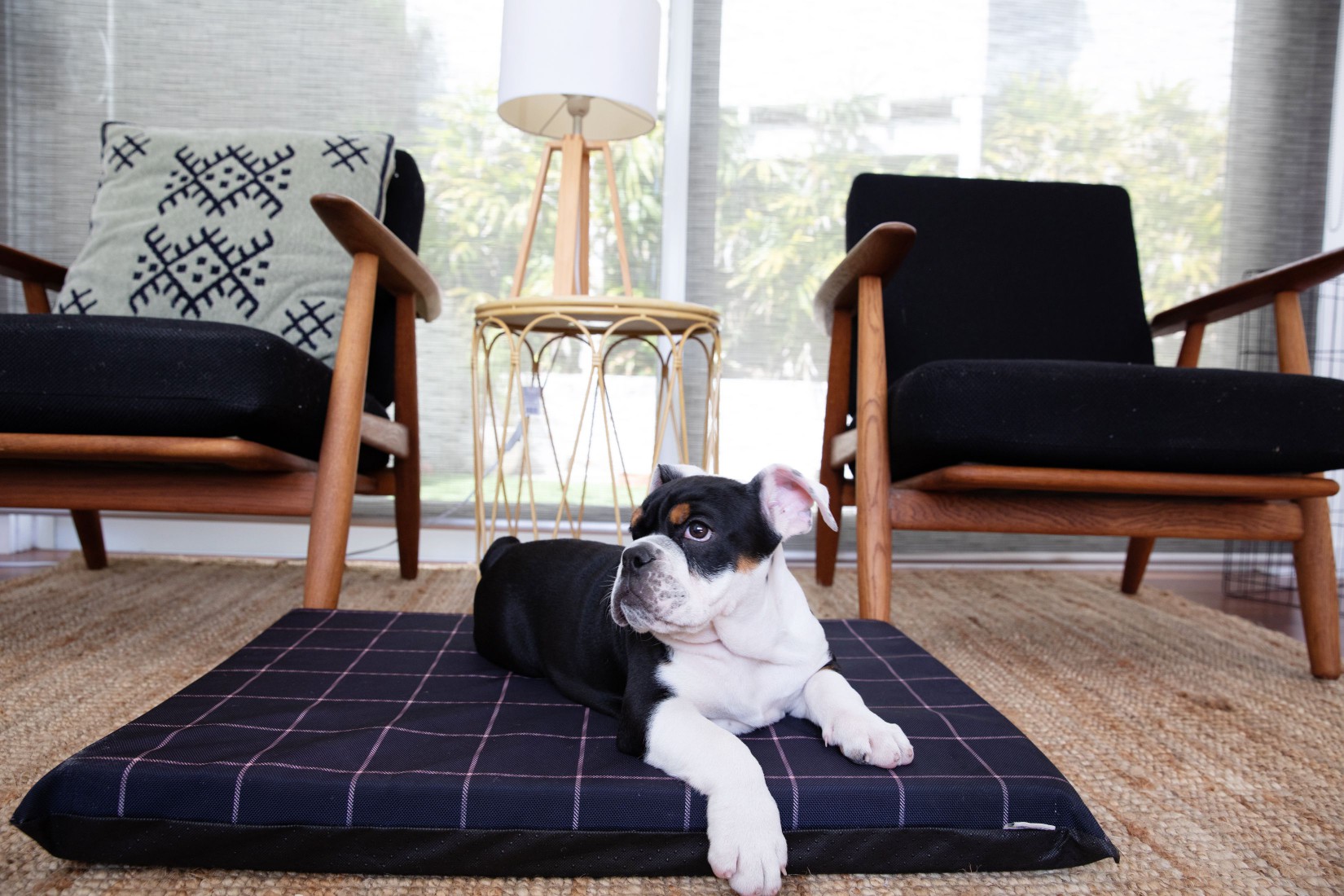
The Spruce / Kristie Lee

Whether you let your dog on the furniture or not is a hotly debated topic. Some people are very passionate about their stance on their dog's couch sur
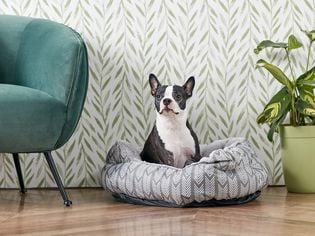
Training your dog to go to its place can be helpful when you need it to settle down or get out from under your feet. You can pick one place in your ho
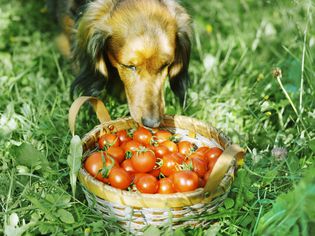
You may be tempted to give your dog a slice of tomato, just as you occasionally drop them other goodies from your plate. Experts agree that it's s

Jam-packed with nutrients like calcium and protein, as well as probiotics that help support digestive health, yogurt is a nutritious food that has bee
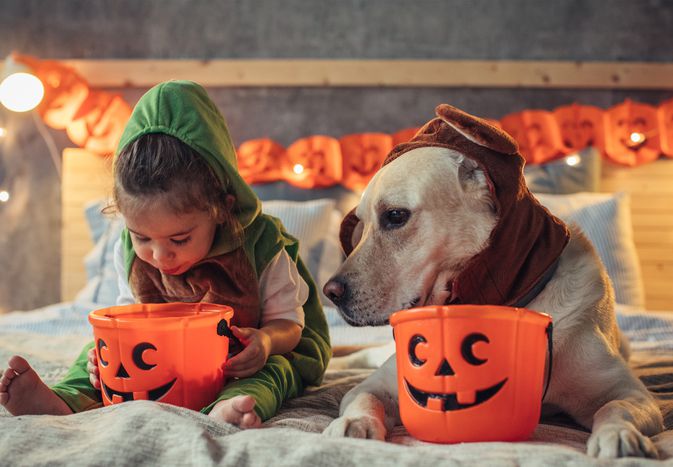
Whether your dog is trying to sucker you into giving them a piece of Halloween candy or they took a nosedive into your kid’s trick-or-treat basket whi

The risk of parasitism by worms in dogs is, unfortunately, quite common. Most parasitic worms will reside in a dog's intestinal system. The most well-
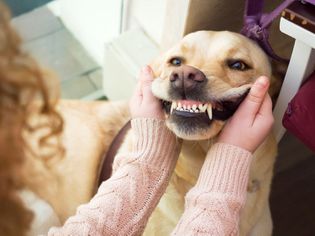
Just like people, dogs need regular dental care, but unfortunately, dental hygiene for dogs is sometimes overlooked. Many people seem to just expect d
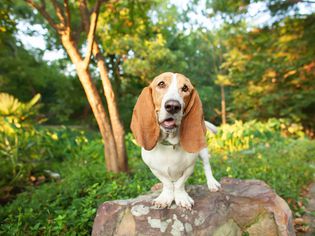
The Basset Hound is a medium-sized French hound breed known for its floppy ears, short legs, long nose, wrinkly skin, and short coat. One of the most
We are a comprehensive and trusted information platform dedicated to delivering high-quality content across a wide range of topics, including society, technology, business, health, culture, and entertainment.
From breaking news to in-depth reports, we adhere to the principles of accuracy and diverse perspectives, helping readers find clarity and reliability in today’s fast-paced information landscape.
Our goal is to be a dependable source of knowledge for every reader—making information not only accessible but truly trustworthy. Looking ahead, we will continue to enhance our content and services, connecting the world and delivering value.