
Reasons Why Dogs Run Away and How to Stop It
Losing your dog can be a terrifying experience. It’s even scarier to realize that your dog ran away on purpose. If your dog runs away repeatedly, it’s
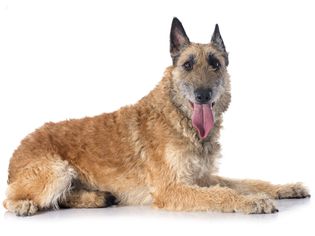
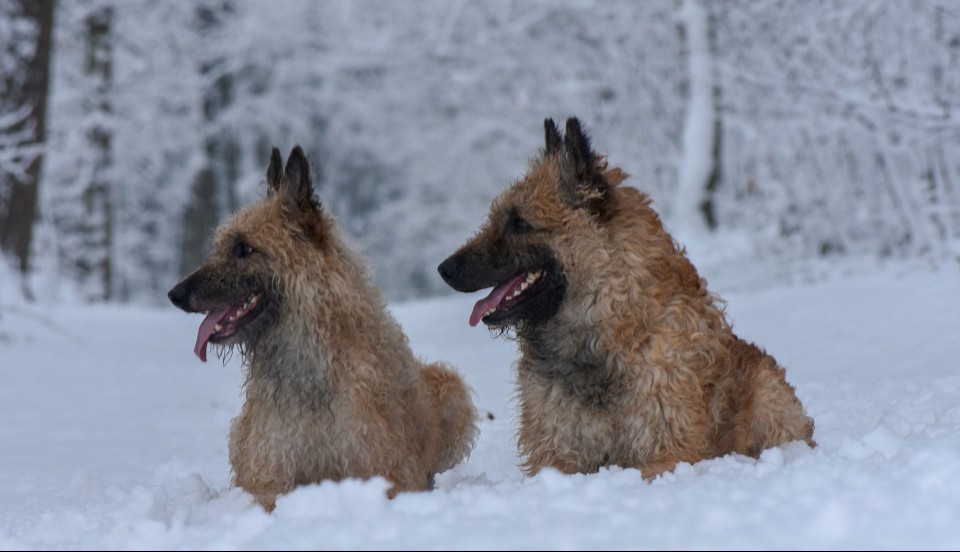
The Belgian Laekenois is a medium-sized herding breed from Belgium with an athletic body, pointed ears, and a double coat with wiry, curly fur. This striking sheepdog is closely related to the other three shepherds native to Belgium: the Groenendael, Malinois, and Tervuren. However, the Laekenois stands apart thanks to its unique coat. While its name looks like a tongue-twister, it is simply pronounced "Lak-in-wah."
The personality and work ethic of these dogs make them outstanding protectors, but affectionate companions. At the same time, this is not a dog breed for the novice owner. They require abundant mental and physical exertion to keep their inner working-dog persona satisfied.
Group: Herding
Height: 24 to 26 inches (males); 22 to 24 inches (females)
Weight: 55 to 65 pounds
Coat: Medium length double coat with wiry, curly texture
Coat Color: Red, fawn, or gray with traces of black on muzzle or tail
Life Span: 10 to 12 years
Temperament: Alert, protective, intelligent, active, affectionate
Hypoallergenic: No
Origin: Belgium
The Laekenois is known to be incredibly loving and attached to its family members, including children. It isn’t known to have an aggressive personality toward strangers, but it is best described as very wary of them.
The breed standard of Laekenois dogs describes their temperament as “watchful, attentive and always in motion when not under command.” Owners report that these alert and sensitive dogs are hyper-aware of anything novel in their environment—including objects, people, noises, and more. This constant motion can be especially challenging during puppyhood and adolescence, while your dog is still learning to settle and control impulses.
While the training and care of a Laekenois is a lot of work, these dogs make wonderful companions for the right household. Their intelligence makes them a delight to work with, and they live to please their owners. You just need to be sure that you have the time, patience, and interest in devoting several hours each day to this dog and its exercise requirements.
| Affection Level | High |
| Friendliness | Medium |
| Kid-Friendly | High |
| Pet-Friendly | Medium |
| Exercise Needs | High |
| Playfulness | Medium |
| Energy Level | High |
| Trainability | High |
| Intelligence | High |
| Tendency to Bark | Medium |
| Amount of Shedding | Medium |
Originating in Belgium, the Laekenois was developed in a group of native herding breeds centuries ago. These dogs served as guardians of livestock, especially cattle and sheep. At the same time, they enjoyed close cooperation and companionship with their families. As a result, this Belgian shepherd developed into a capable working dog and a keen guardian of people and property.
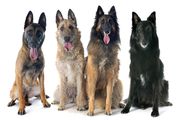
In the 1890s, the Belgian shepherds were for the first time identified into four main types: the Groenendael (or Belgian sheepdog), the Malinois, the Tervuren, and the Laekenois. It should be noted that the four types shared a very similar stature and temperament; the defining factor for each type came down to coat.
The Laekenois became known for its wiry, curly coat. According to the national breed club, the inspiration for the name came from the town of Laeken, located in a region closely associated with this breed. Interestingly, the Laekenois had another interesting occupation aside from protecting livestock: this breed was responsible for guarding linen drying in the field.
Like many other European dogs, the Laekenois and other Belgian shepherd populations were nearly decimated in the wake of World Wars I and II. However, breed enthusiasts diligently worked to keep these Belgian bloodlines alive, and the breed slowly saw a resurgence (though the Laekenois is still very rare).
Like many other imported dog breeds, the Laekenois developed a passionate and devoted following of breeders, exhibitionists, and owners once introduced to the United States. In 1995, the American Belgian Laekenois Association was formed. In 1998, the breed joined the AKC’s Foundation Stock Service and became eligible to compete in the Companion group the same year. It was classified in the Miscellaneous group in 2005, then received full recognition in the Herding group on July 1, 2020.
This rare and striking breed originated with work to do. While your Laekenois might be several generations and thousands of miles removed from a sheepfold in Belgium, the mentality of this dog is ever alert and always on. If you don’t give them enough activity and attention, they can become neurotic, destructive, and willful. While it requires less time than exercise and training, grooming these dogs is also a weekly job.
It’s no surprise that exercise is paramount for the health and mental wellbeing of a Laekenois. Plan to give this dog about two hours of your attention each day, divided between physical outlets and mental engagement. It’s been said that you can’t out-exercise a Belgian shepherd, so you must do your best to give them a physical outlet, then mentally tire them with training.
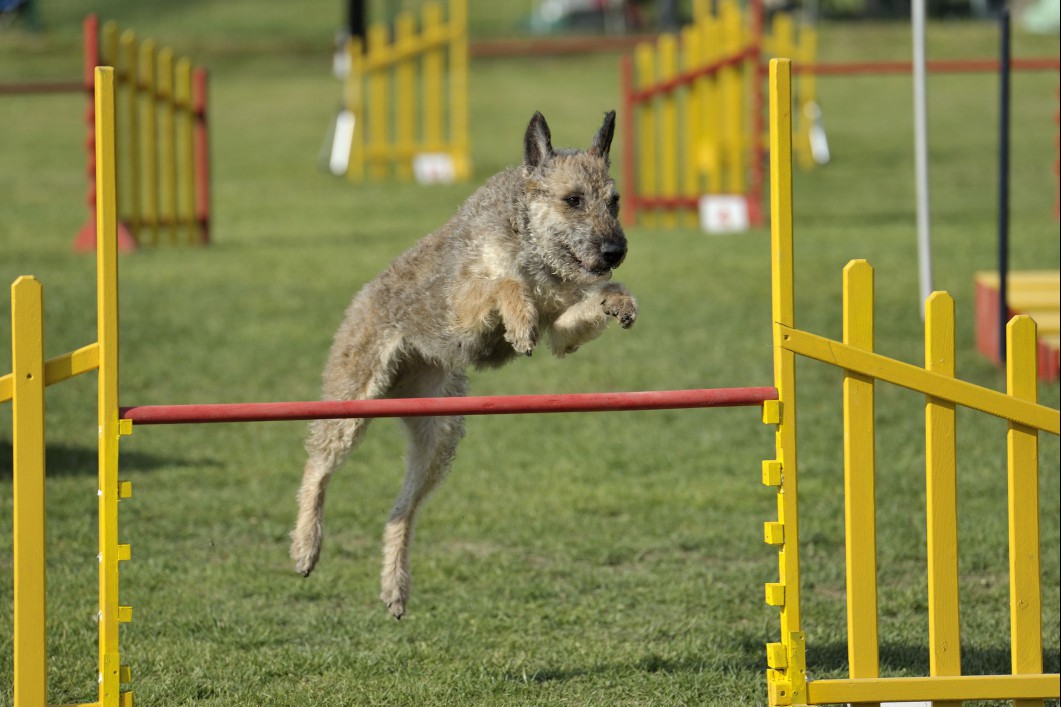
Another great option for exercise is to practice agility training with your Laekenois. These dogs excel at challenges, and activities like dog sports are a perfect choice to exercise body and mind. Owners can also provide puzzle toys and play games like fetch for entertainment in the house.
Grooming a Laekoenois regularly is important, though not overly time-consuming. With a tousled coat about 2 1/2 inches in length, you will need to brush your dog at least weekly to prevent matting and remove debris. You should not clip the coat, since doing so damages the double layer of fur that acts as a natural regulator for body temperature.
Like all dogs, your Laekenois will also need to have its teeth brushed, nails trimmed, and ears checked regularly for dirt and debris that can lead to infection. Clean the ears as needed using a cotton ball dipped in a cleaning solution specifically for the ears.
While some breeds are said to mature slowly and retain their puppyhood for several years, the Laekenois has been described as fast to mature if given the opportunity to learn. They do exceptionally well at obedience training, which should start when puppies are six to eight weeks old. This sets an excellent stage for advanced training down the road.
Obedience work will help to strengthen the bond between you and your powerful shepherd while establishing that you are the pack leader. This is important since the Laekenois has a strong sense of duty when it comes to guarding people and property. If you lose the top spot in this dog’s mind, you lose the ability to control its impulses and actions. As soon as your puppy has had sufficient vaccinations for public outings, begin introducing him or her to as many people, animals, and situations as you can. Doing so from an early age will increase your dog's adaptability.
Laekenois owners often report that their dog’s wariness of unfamiliar people or dogs is heightened at night. They tend to evaluate strange faces to assess the threat level, and they won’t hesitate to guard against intruders. This underscores the reason why the Laekenois, like other Belgian shepherds, requires early socialization and ongoing training.
This breed does well with other animals as long as it's been properly introduced. Since the breed originated to protect other animals, it doesn't have a strong prey drive. However, its herding nature makes these dogs somewhat mouthy, and they may try to herd people and animals. When overstimulated and under-exercised, this tendency can make them more liable to bite.
The Laekenois is considered to be relatively healthy. However, as a large breed dog, there are a few problems that the Laekenois should be screened for. Responsible breeders will test parent dogs before breeding and provide prospective adopters with the litter's family medical history.
The American Belgian Laekenois Association recommends the following evaluations: hip and elbow, cardiac exam, thyroid exam, ophthalmologist evaluation, and a dentition exam. Other common health problems for Laekenois include:
Like any other breed, it’s important to feed a Belgian Laekenois a diet of high-quality dog food with treats given sparingly. Too many treats or table scraps can negatively impact your dog’s weight and long-term health.
In addition, the concerns of dental health in this breed make it advisable to skip wet food and feed only hard, crunchy kibble that will help keep plaque from developing. Choose a diet that avoids any of your dog's food allergies and consult your veterinarian to determine healthy portion sizes based on age, weight, and activity level.
If you're interested in having a Laekenois join your family, consider whether you're prepared to handle and care for this breed on a daily basis. This is not a dog for the novice owner. On top of their extensive care requirements, these dogs are also very rare, which makes them unlikely to be found in shelters. Contact your local shelter to meet similar shepherd breeds in need of forever homes, or research rescues for Belgian shepherds in your region.
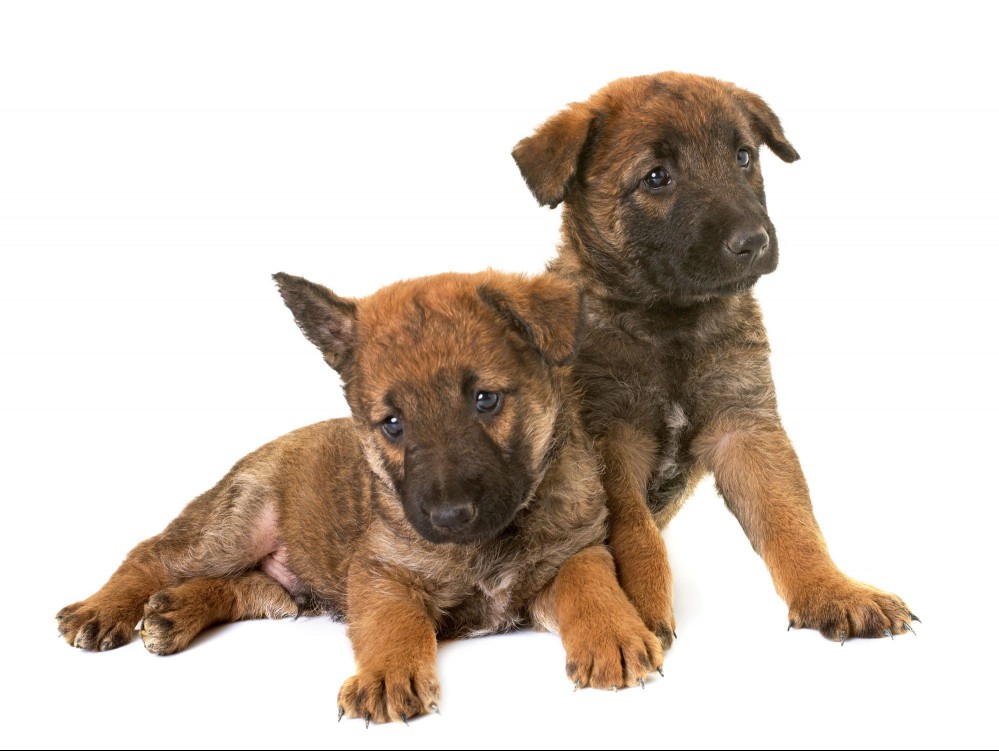
Adopting a Laekenois puppy won’t necessarily mean importing a dog from Belgium—although it might. The number of breeders in the United States is still very limited. It's essential to perform diligent research about breeders and come prepared with a list of questions regarding the lineage and temperament of a litter’s parents. The attributes of a puppy can be strongly influenced by the temperament of the line they are bred from, and this can also greatly affect their long-term health. Laekenois puppies from breeders typically cost between $650 and $2,500 depending on availability and pedigree.
The following resources can help you start your search:
Alert and watchful
Affectionate with family members
Excels in many canine sports; highly trainable
Requires hours of daily exercise and training
Can become restless and vocal when bored
Guarding instincts may lead to aggression

If you love the Belgian Laekenois, you may also like these similar breeds:
There are plenty of different dog breeds that can join your family. With a little research, you can find the right one to bring home!
The Belgian Laekenois doesn't require a lot of work in the grooming department, as it does best when its coat is brushed at least once per week. Its double coat naturally regulates body temperature and should not be trimmed.
Like the Belgian Malinois, the Belgian Laekenois is a large dog breed with an athletic body, pointed ears, and solid-colored fur that often has black tips on the ears, nose, feet, or tail. Unlike other shepherd breeds, the Laekenois has a unique curly, wiry coat.
The Belgian Laekenois was officially recognized in the AKC Herding group on July 1, 2020. Prior to this classification, it was a member of the Foundation Stock Service in both the Companion and Miscellaneous groups between 1998 and 2005.
Losing your dog can be a terrifying experience. It’s even scarier to realize that your dog ran away on purpose. If your dog runs away repeatedly, it’s
Referred to as the Dutch Barge Dog, the keeshond is a medium breed from the Netherlands with pointed ears, a double coat, and a tightly-curled tail. W

When it's winter and you have no intention of eating it on a slick sidewalk, you might turn to pet-safe ice melt. It'll keep you on your feet
Actinomycosis is a complex and serious infection. Actinomyces are bacteria that naturally live in dogs' mouths and nasal passages, but they can wr

Does your dog have bronchitis? This inflammatory condition of the lower airway causes a dog to cough, gag, run a fever, and feel generally unwell. Tre
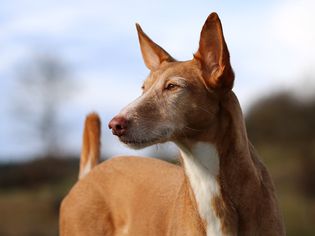
The podenco is a small to large-sized hound dog breed from the Mediterranean region, especially in Spain (where podenco means "hound" in Spani
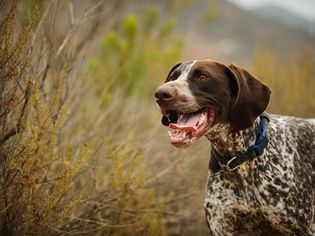
The German shorthaired pointer (or GSP) is a medium-to-large sporting breed native to Germany with a slim build, floppy ears, and signature liver brow
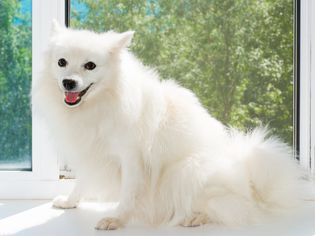
The Japanese spitz is a small companion breed developed in Japan with a white, fluffy coat. Spitz breeds, also called Northern breeds, are a type of d
We are a comprehensive and trusted information platform dedicated to delivering high-quality content across a wide range of topics, including society, technology, business, health, culture, and entertainment.
From breaking news to in-depth reports, we adhere to the principles of accuracy and diverse perspectives, helping readers find clarity and reliability in today’s fast-paced information landscape.
Our goal is to be a dependable source of knowledge for every reader—making information not only accessible but truly trustworthy. Looking ahead, we will continue to enhance our content and services, connecting the world and delivering value.