
Dog Food Basics
When it comes to feeding your dog, there are some decisions you need to make. Proper nutrition is one of your dog's basic needs, and it's about more t
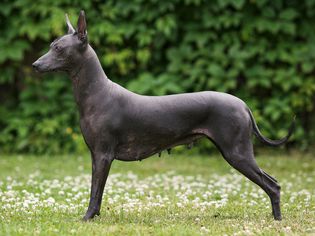
The Xoloitzcuintli (pronounced show-low-eats-QUEENT-lee), sometimes called by its Americanized name, the Mexican Hairless Dog, is a lively small breed from Mexico with a short-haired or hairless body in dark colors. The breed name is also sometimes spelled Xoloitzcuintle. The Xolo (show-low), as it’s affectionately known, comes in three sizes: standard, miniature, and toy. Although the hairless variety is the best known, the Xolo also comes in a coated variety. Coated Xoloitzcuintli sport a short, smooth coat that covers the entire body. Hairless Xolos are completely bare-skinned, although they sometimes sprout a few tufts of hair on the top of the head, on the feet, and on the last third of the tail. Although breeders might focus on one size or coat variety, all three sizes and the two different coat types can pop up in the same litter.
The Xoloitzcuintli is what is known as a primitive breed—basically, a very old breed that retains semi “wild” characteristics. This means they require extensive socialization and training in early puppyhood and throughout their lives to counteract shyness or fear. It’s important to note that a wariness of strangers is a hallmark of the breed; they make excellent watchdogs and will alert you to any strange happenings in and around your home. This breed does best when given clear boundaries and a consistent routine. These loyal dogs bond very tightly with their family members. They are somewhat needy emotionally, in that they want and need a lot of interaction with their people. Without it, they can become demanding and even destructive in the home. But the Xolo is so charming and engaging, it’s easy to give them the attention they so desire. They usually get along well with respectful family children, other dogs, and can even peacefully coexist with the family cat if raised together.
Group: Non-Sporting
Height: Standard: 18 to 23 inches tall at the shoulder; Miniature: 14 to 18 inches; Toy: 10 to 14 inches
Weight: Standard: 30 to 55 pounds; Miniature: 15 to 30 pounds; Toy: 10 to 15 pounds
Coat: Hairless: A small amount of short, coarse hair may appear on the top of the head, the feet, and the end of the tail. Coated: Short, smooth, and close-fitting coat
Coat Color: A range of dark colors, including black, gray-black, slate, red, liver (brown), or bronze
Lifespan: 14 to 17 years
Temperament: Intelligent and protective
Hypoallergenic: No. Despite its hairlessness, most of the dander lives in its saliva
Origin: Mexico
The Xoloitzcuintli is active and agile. They are generally calm indoors as long as they get enough exercise in the form of daily walks and romps in the backyard. They are intelligent and sensitive,
You might think that with no hair, the Xolo is hypoallergenic. Although it’s true that the breed might be good for some allergy sufferers, it depends on whether the individual is sensitive to dog hair or dog dander (dried saliva and material shed from an animal’s skin). The Xolo lacks hair, but has plenty of dander. It’s best for allergy sufferers to spend lots of time with adult Xolos (preferably in a home where Xolos live) in order to determine if they react to them or not. That said, in general, the Xolo is one of the breeds considered good for people who suffer from dog allergies.
| Affection Level | Medium |
| Friendliness | Medium |
| Kid-Friendly | Medium |
| Pet-Friendly | Medium |
| Exercise Needs | Medium |
| Playfulness | Medium |
| Energy Level | Medium |
| Trainability | Medium |
| Intelligence | Medium |
| Tendency to Bark | Medium |
| Amount of Shedding | Very low |
The Xoloitzcuintli is an ancient breed that traces its roots back to the time of the Aztecs, making the breed at least 3,500 years old. According to the Xoloitzcuintli Club of America, the breed name is a combination of the name of the dog god Xolotl and the Aztec word Itzcuintli, which means dog. The Xolo is the national dog of Mexico. The Xoloitzcuintli is recognized by the American Kennel Club, the United Kennel Club, the Canadian Kennel Club, the Mexican Kennel Club, and the international kennel club Fédération Cynologique International.
In ancient Mexico, the Xoloitzcuintli was sacred. The dogs were frequently sacrificed and placed in the graves of their recently deceased owners because they were thought to help safely guide their owners’ souls into the land of the dead. They were also thought to cure various health conditions.
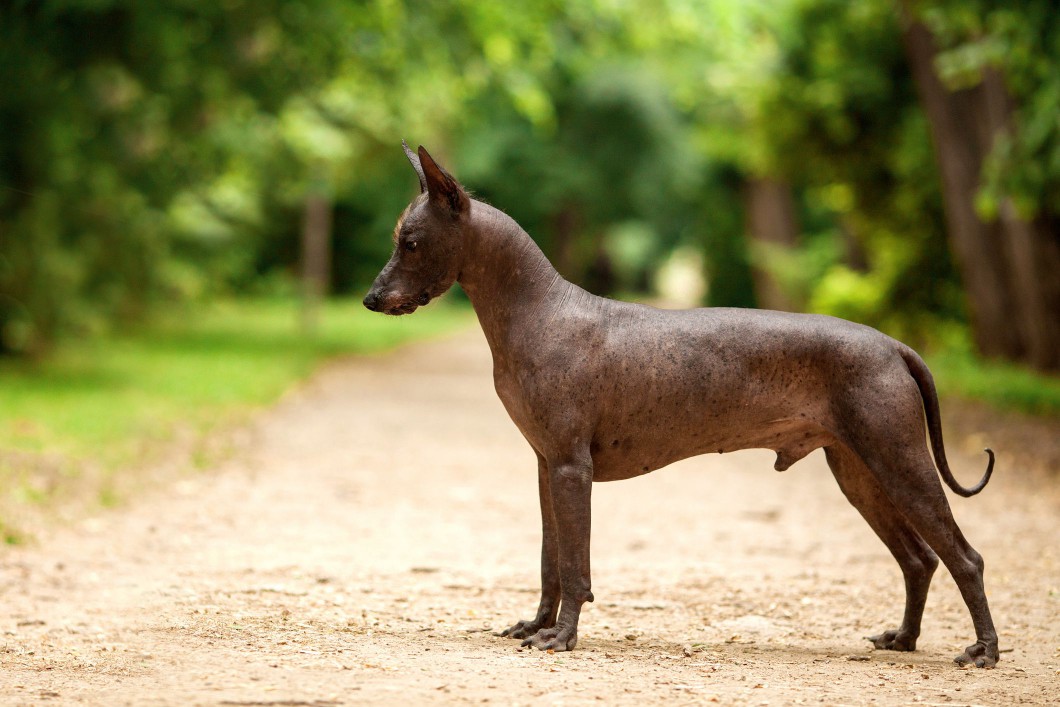
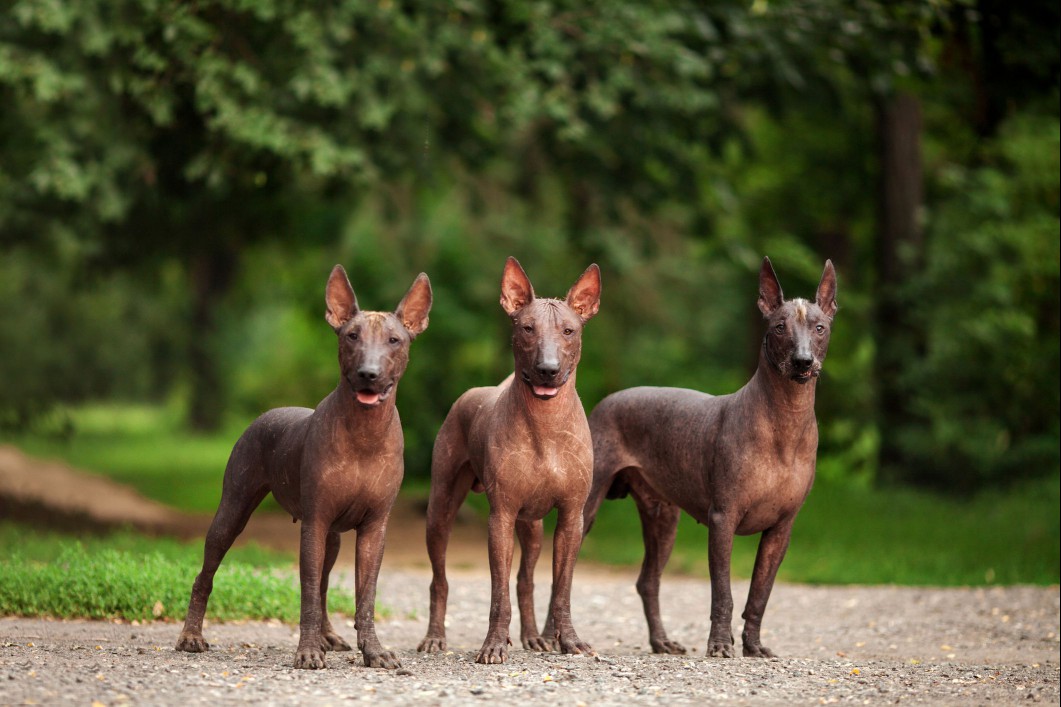
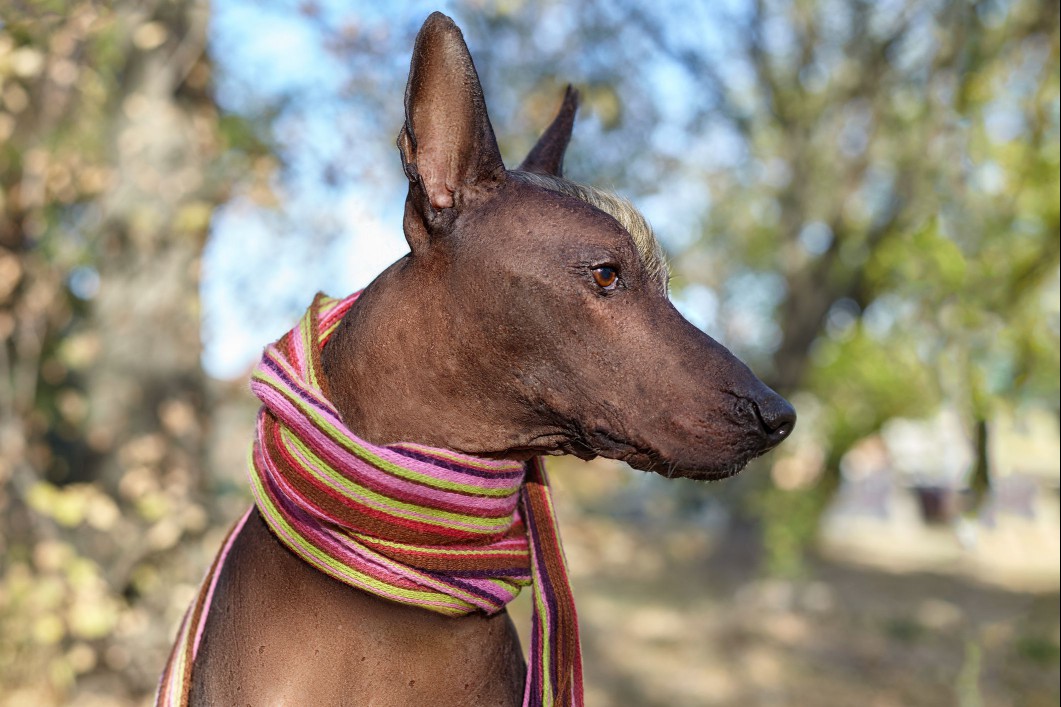
Xoloitzcuintli are pretty low maintenance where exercise is concerned: several daily walks are all they need to stay healthy and in good shape.
The Xoloitzcuintli is a wash-and-wear dog. The coated variety requires occasional baths and minimal brushing (the hairless variety needs no brushing). The hairless variety does need frequent baths to remove oily buildup on the skin, followed by a moisturizing lotion rubbed all over the skin. Some Mexican Hairless might need a pet-safe sunscreen. If you’re wondering what the skin of the hairless variety feels like, it’s not soft or silky. Described as a hide, the skin is in fact thick, tough and protective. In adolescence (typically during the dog’s first year), acne (skin breakouts) and cradle cap (waxy buildup on the skin) is common as the skin goes through a transition. Extra skincare may be required during this time to minimize these issues. Your breeder can coach you through proper skincare until the skin matures.
In addition to skin or coat care and bathing, your Xolo needs regular toothbrushing and nail trimming.
Xolos are easy to train as long as you use positive methods and don’t overwhelm them. Socialization is extremely important for this breed, which can be wary and cautious of strangers. Start socializing early in puppyhood, and continue throughout the life of the dog.
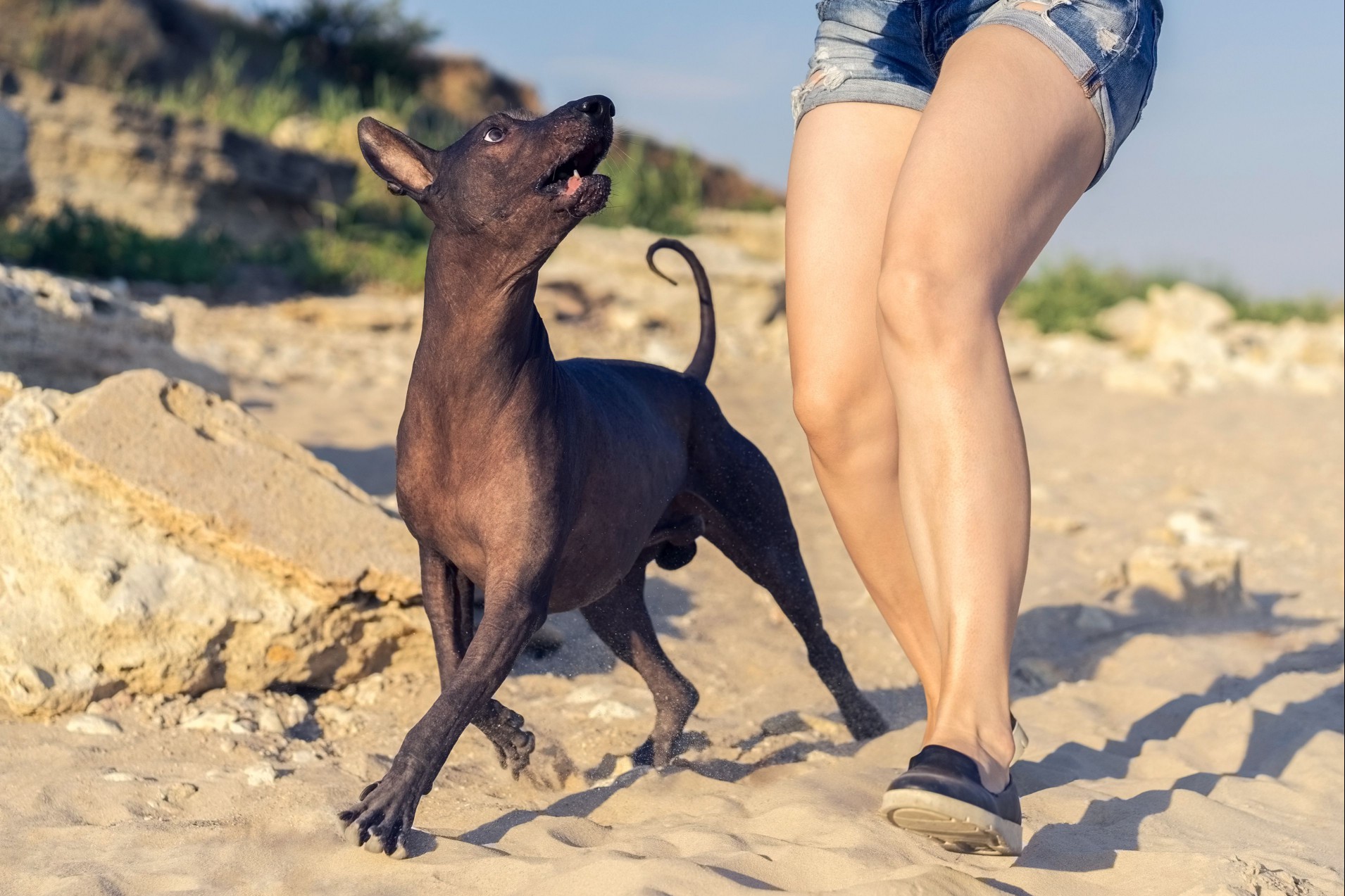
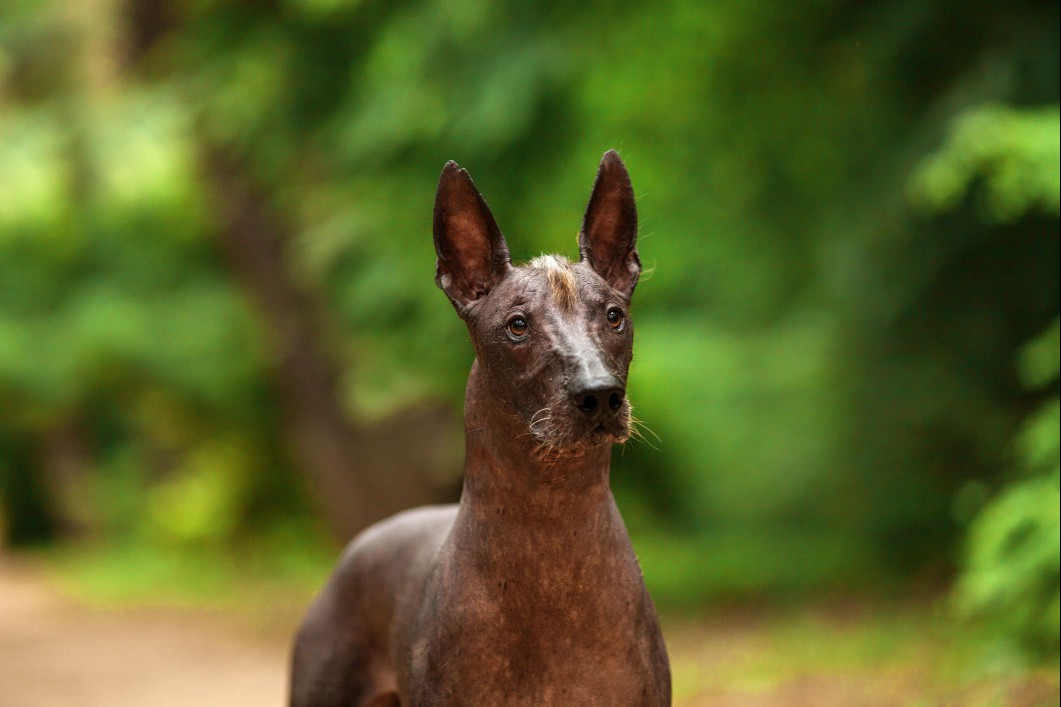
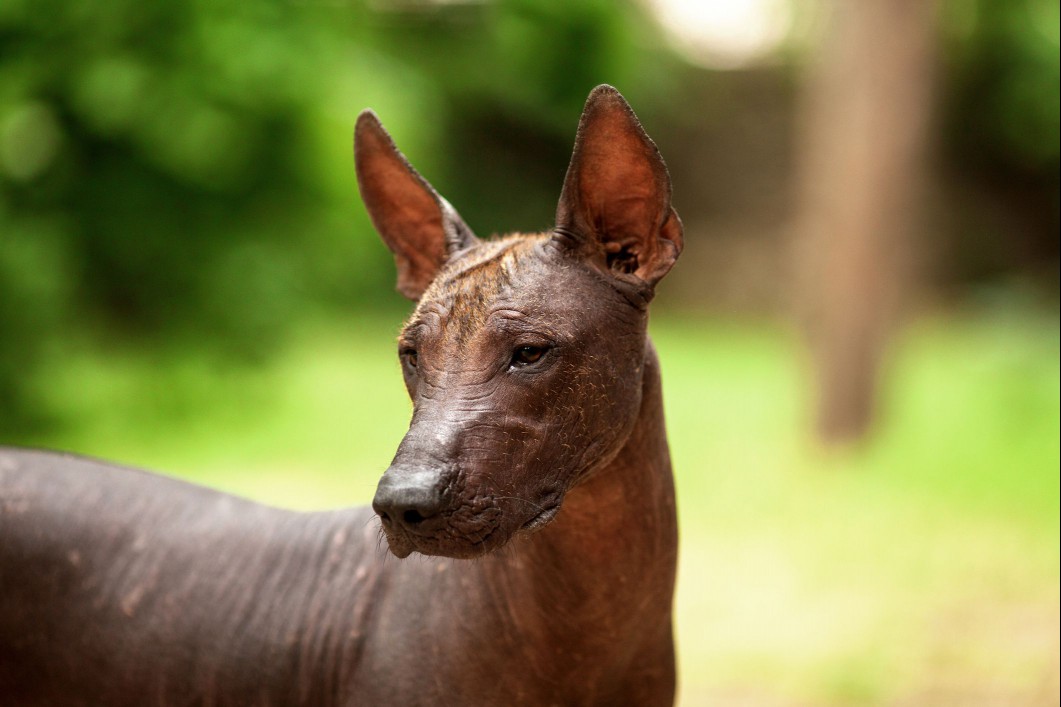
TaynaPanova / Getty Images
The Xoloitzcuintli is quite healthy. Some hairless Xolos may not have a full set of teeth (something that is likely correlated to the gene that causes hairlessness), but this does not usually cause any problems for the dog. Responsible breeders perform standard tests on their Xolos before breeding them, including screening for hip dysplasia and patella luxation, as well as heart and eye diseases.
Some Xoloitzcuintli are prone to becoming overweight. Feed your Xolo high-quality dog food and measure out regular meals with a measuring cup or scale to avoid overfeeding. Free feeding (leaving food out all day) can lead to weight gain. Overweight dogs may experience joint or hip issues, and other health conditions like diabetes. Ask your breeder or veterinarian to recommend the best food for your Xolo.

The Xoloitzcuintli is a rare breed. Some adults might find their way into rescue, but usually, people wanting to bring home a Xolo will be buying a puppy. Make sure yours comes from a reputable breeder. The Xoloitzcuintli Club of America publishes a directory of breeders on its website, but be prepared to get on a waiting list.
Does not shed
Bonds strongly with family
Excellent watchdog
Requires regular skin care
Can be wary of strangers
Require extensive socialization and training
If you like the Xoloitzcuintli, you might also like these breeds:
Otherwise, check out all of our other dog breed articles to help you find the perfect dog for you and your family.
Depending on availability and where you live, Xolos cost from $2000 to $4000.
Xolos have no hair, save for a patch on their heads, because of a genetic mutation.
Xolos live from 12 to 15 years.
Xolos actually can't go out in the sun without protection, as their bare skin is prone to burning. In fact, the Xoloitzcuintli need sunscreen if they're going to be outside for very long without access to a shady area.

When it comes to feeding your dog, there are some decisions you need to make. Proper nutrition is one of your dog's basic needs, and it's about more t

The word parasite refers to an organism that lives off of another—in this case your puppy—at the expense of that puppy. Parasites may live on the
City or suburban dogs might never encounter a snake, but dogs that live in rural areas or are taken on hiking, hunting, or camping outings have a high
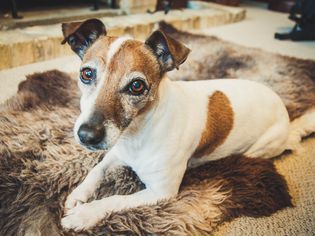
Dogs can grow skin tags on various parts of the body, just like humans. Skin tags are fibrous skin growths that tend to affect older dogs, but puppies
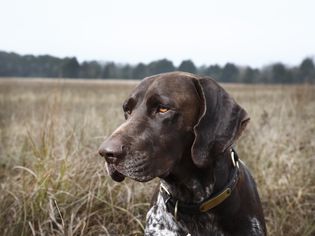
Actinomycosis is a complex and serious infection. Actinomyces are bacteria that naturally live in dogs' mouths and nasal passages, but they can wr
Scent hounds are dogs specifically bred to use their sense of smell to track scents. The average dog’s nose features about 300 million olfactory recep

Often referred to as the "GBGV" or "Grand," the Grand Basset Griffon Vendéen is a shaggy, active, and independent scent-hound from Fra
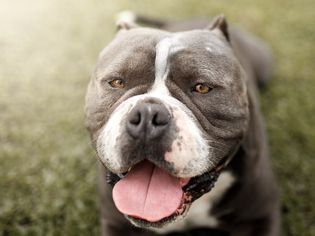
"Pit bull" is often used as a blanket term for dogs that resemble the American pit bull terrier or the American Staffordshire terrier. Officially, the
We are a comprehensive and trusted information platform dedicated to delivering high-quality content across a wide range of topics, including society, technology, business, health, culture, and entertainment.
From breaking news to in-depth reports, we adhere to the principles of accuracy and diverse perspectives, helping readers find clarity and reliability in today’s fast-paced information landscape.
Our goal is to be a dependable source of knowledge for every reader—making information not only accessible but truly trustworthy. Looking ahead, we will continue to enhance our content and services, connecting the world and delivering value.