
The Risks of Candy Canes for Dogs: What Pet Parents Need to Know
While it may be true that the holidays are the most wonderful time of the year, it’s certainly not the safest time of the year for our dogs! There are
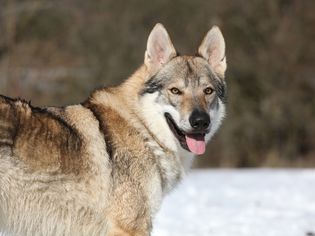
The Czechoslovakian vlcak, also known as the Czechoslovakian wolfdog, is a large working dog breed originally bred for border patrol in Czechoslovakia in the 1950s. As the name suggests, the Czechoslovakian wolfdog resembles a wolf in body shape, movement, coat texture, coat color, and facial markings. These dogs make great working dogs and are used for jobs including search and rescue, herding, dog sports, tracking, and more.
Learn more about the history, care needs, and characteristics of the Czechoslovakian vlcak.
GROUP: Working
HEIGHT: At least 23.5 inches if female and 25.5 inches tall, measured at the shoulder
WEIGHT: At least 44 pounds if female and 57 pounds if male
COAT: Straight and close double coat
COAT COLOR: Yellowish-gray to silver-gray with a light mask on the face
LIFE SPAN: 12 to 16 years
TEMPERAMENT: Fearless, lively, quick, sociable, active, courageous
HYPOALLERGENIC: No
ORIGIN: Czechoslovakia
Because they were originally bred to patrol the border in Czechoslovakia, the Czechoslovakian wolfdog is inherently suspicious of strangers. Without proper socialization, this innate wariness can go into overdrive. Although the breed can bark, many of the dogs are very quiet. They are, however, very loyal to their families and those in their inner circle.
| Affection Level | Medium |
| Friendliness | Low |
| Kid-Friendly | Low |
| Pet-Friendly | Low |
| Exercise Needs | High |
| Playfulness | Medium |
| Energy Level | Medium |
| Trainability | Medium |
| Intelligence | High |
| Tendency to Bark | Low |
| Amount of Shedding | High |
The Czechoslovakian wolfdog breed was the byproduct of an experiment. From 1955 to 1965, in what was then the Czechoslovak Socialist Republic, a man named Karel Hartl sought to breed wolves and German shepherd dogs for the border guard. Using German shepherds and Carpathian wolves, Hartl meticulously planned breedings.
After each first wolf and dog breeding, subsequent breedings of the resulting puppies were between hybrids and dogs only—no more wolf blood was introduced. The resulting progeny were studied to examine the hybrid dogs’ physical and temperament traits, including tenacity, capacity for training, stamina, and more. Dogs that were three and four generations removed from the initial wolf and dog breedings (called F3 and F4, respectively) were used as army service dogs.
Once the experiment ended, other breeders got their hands on the hybrid dogs and further refined them to solidify desirable traits, using a few more wolves along the way. In 1982, the Czechoslovakian wolfdog received official recognition from the Club of Breeders, with 43 puppies entered in the main Pedigree Register in Prague that year. Since 1983, no wolves have been used in Czechoslovakian wolfdog breedings.
In 2001, the Czechoslovakian vlcak was recorded in the American Kennel Club (AKC) Foundation Stock Service. The breed will be assigned to the Working Group when it achieves full recognition. In 2006, the breed was fully recognized by the United Kennel Club (UKC).
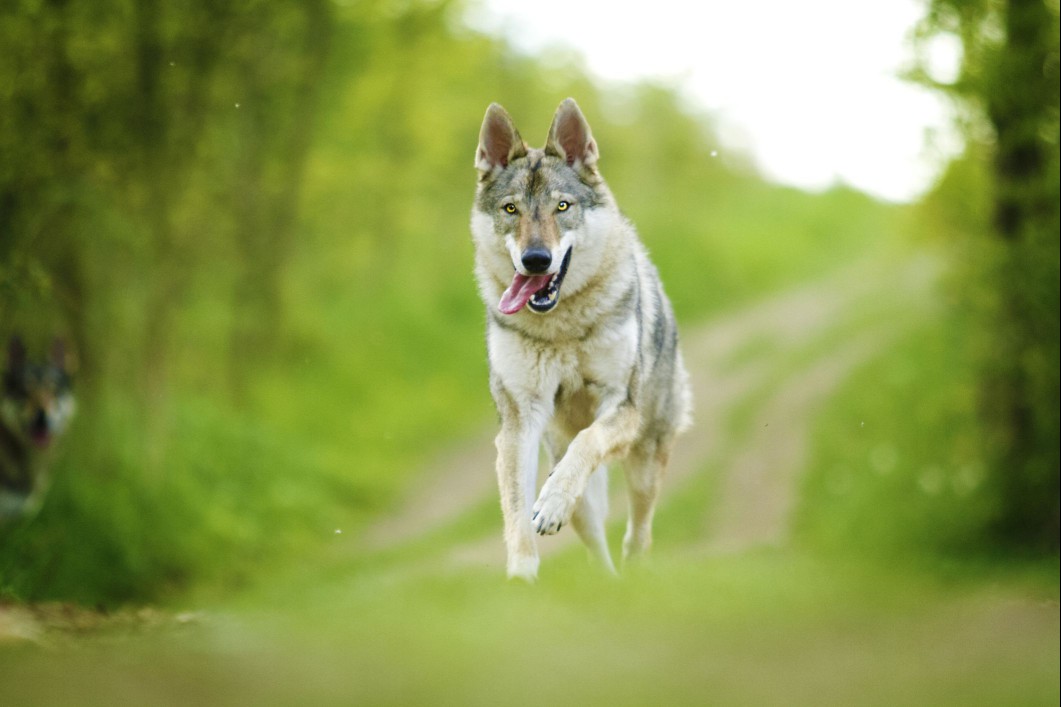
The Czechoslovakian wolfdog is beautiful, loyal, and hardworking, but it's also independent, dominant, and has high energy. In the right hands, the Czechoslovakian wolfdog will shine. Due to its nature as a primitive breed and its high needs, this wolfdog is best cared for by a very experienced owner. The dog only requires somewhat basic grooming.
Czechoslovakian wolfdogs require copious amounts of daily exercise and ample mental stimulation. You will need to give your dog at least two hours of exercise a day, including walks and playtime, to help it thrive. If you are an avid hiker or runner, this breed can make an excellent companion. They are great working dogs and can also excel in competitive dog sports.
The Czechoslovakian wolfdog’s coat is easy to care for. It’s naturally weather-resistant, has very little doggie odor, and dirt brushes right out. Although this breed sheds heavily year-round, it will experience dramatic shedding twice a year (known as “dropping coat” or “blowing coat”).
The double coat looks dramatically different according to the season. In winter, the undercoat becomes extremely thick and immense, and, in summer, the undercoat is sparse. Regardless of the season, frequent brushing can help manage shedding hair.
Other than brushing, occasional baths and weekly nail trimming keep the Czechoslovakian wolfdog looking beautiful. Do a weekly peek inside the ears to clean them out. Use a pet-safe ear cleaner when necessary. It is also good to pay attention to dental hygiene and brush your dog's teeth two to three times per week.
Czechoslovakian wolfdogs are extremely intelligent and capable of learning almost anything, but unlike many breeds, they are not push-button dogs that will simply do what you want them to. Training methods must be tailored to the breed’s primitive and independent nature. Positive, reward-based methods can be successful, but avoid too much repetition, which will become boring to the Czechoslovakian wolfdog.
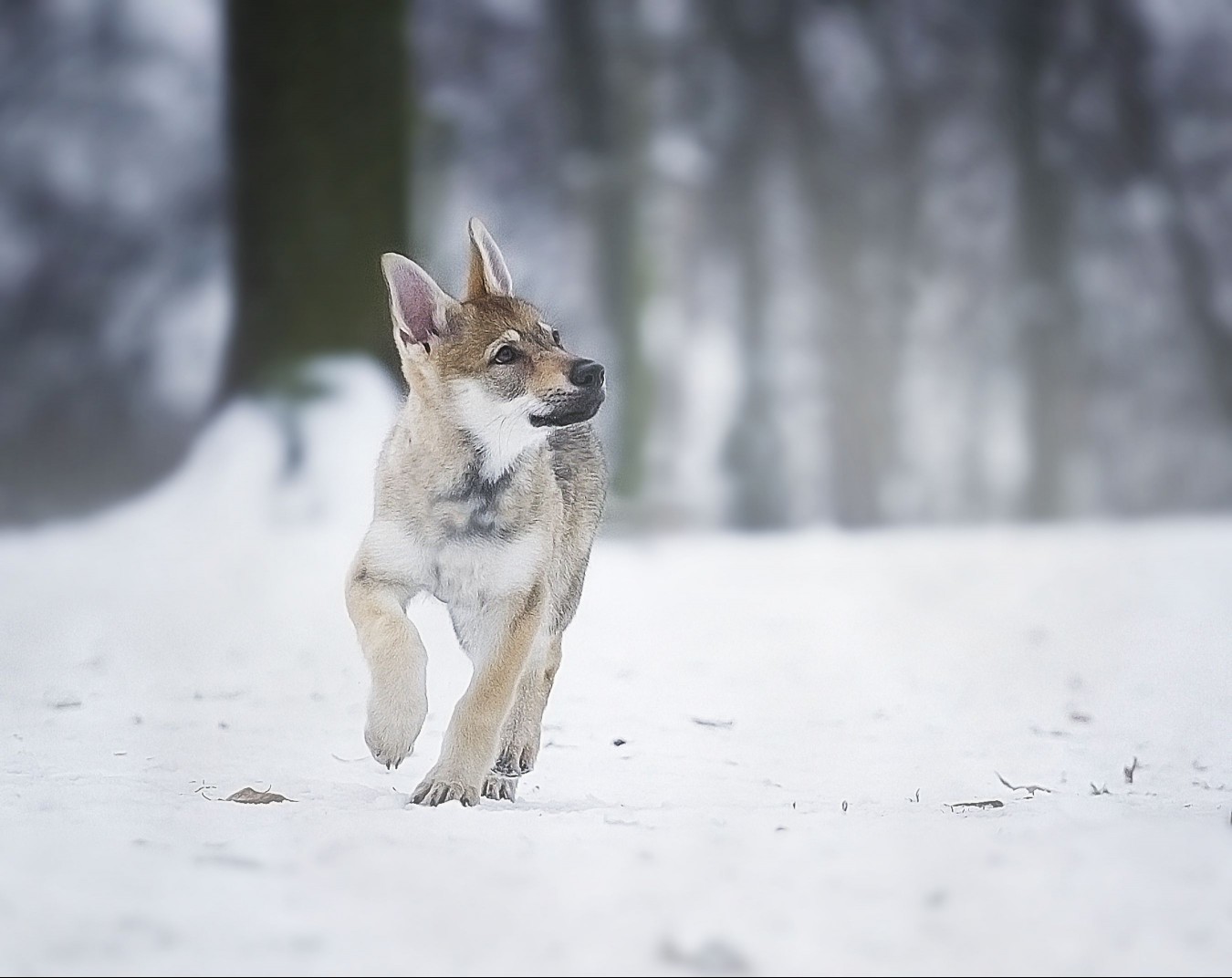
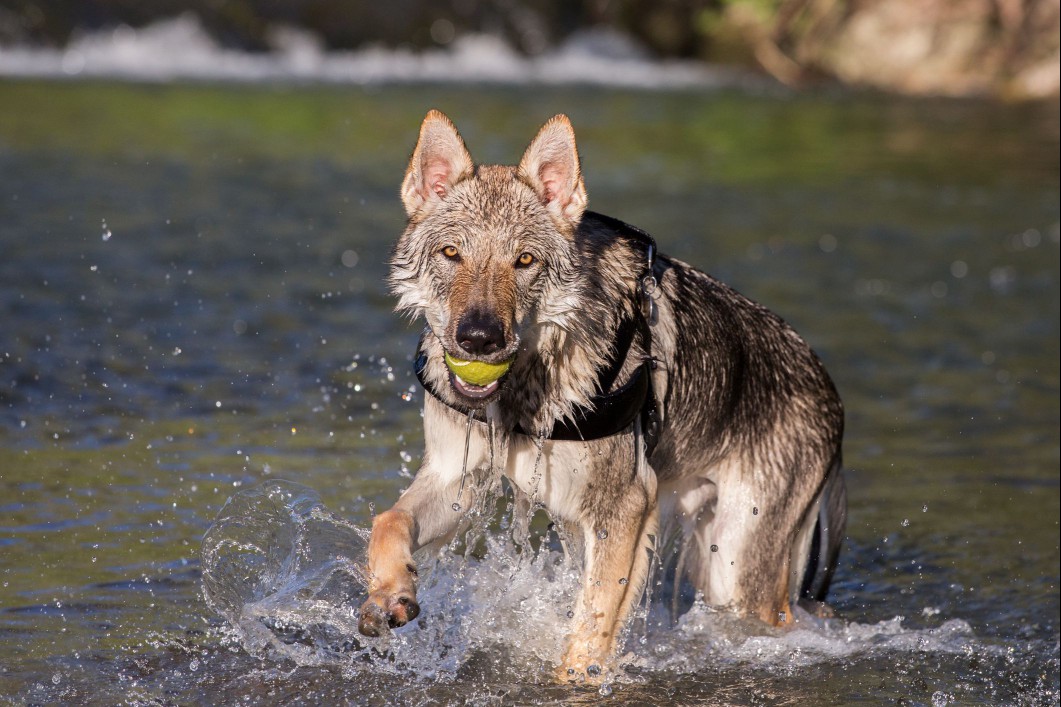
In general, this is a healthy and robust breed. However, the Czechoslovakian Vlcak Club of America, the parent club for the breed in the United States, recommends that all Czechoslovakian wolfdogs have certain health testing performed prior to breeding, which includes screenings for the following:
The dogs should also receive eye certification exams via the OFA Companion Animal Eye Registry (CAER, previously called “CERF” exams).
Highly active and athletic, many Czechoslovakian wolfdogs expend a lot of energy. Working dogs and canine athletes require high-quality, calorie-dense performance diets. If you’re not sure what or how much to feed, ask your breeder or veterinarian for a recommendation.
That said, Czechoslovakian wolfdogs are meant to be lean, so be sure not to overfeed, especially for less-active dogs.
Feeding measured meals twice a day rather than free feeding (leaving food out all day) will help to avoid too much weight gain. Excess weight can contribute to health problems like hip dysplasia and diabetes.
If you have your heart set on a Czechoslovakian wolfdog puppy, be prepared to wait. According to the Czechoslovakian Vlcak Club of America, there were only about 200 of the breed living in the U.S. as of 2018. Rarely, some adult Czechoslovakian wolfdogs might find their way into a rescue situation. The club maintains a list of recognized breeders as well as any adoptable dogs on its website. If you are able to find a breeder in the U.S. to work with, expect to pay between $2,000 up to $8,000 for a purebred puppy of this rarity.
Because Czechoslovakian wolfdogs were bred for a specific working purpose, they won't make the best companion dogs. They are not good for first-time dog owners, and if they live in a home environment, their owner needs to be committed to properly fulfilling the dog.
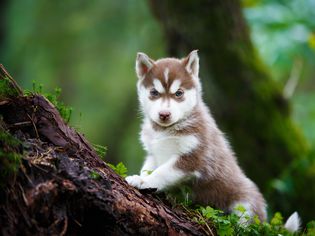
If you like the Czechoslovakian wolfdog, you might also like these breeds:
These dogs have a high prey drive (the instinct to chase and kill smaller animals), so they're not ideal for multi-pet households. This breed likely won't get along well with cats or other small pets.
Wolfdogs, or wolf hybrids, are controversial breeds because they may be considered dangerous dogs. About 40 states in the U.S. have banned the private ownership and breeding of wolf hybrids. Some other states have regulations that vary from county to county about wolfdogs and hybrids. Yet other states or counties require permits for private ownership.
A Czechoslovakian wolfdog can do well with gentle children in its own family when raised together and properly supervised, However, the breed is not known for being friendly with strange children.

While it may be true that the holidays are the most wonderful time of the year, it’s certainly not the safest time of the year for our dogs! There are
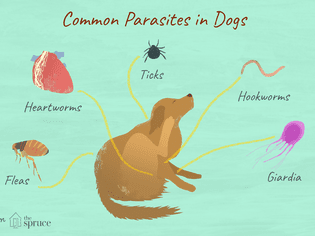
Parasites in dogs are common and may be found internally or externally. These parasites can be extremely irritating to dogs and can cause serious heal
Normal dog poop should be formed and easily scooped or picked up. Diarrhea, on the other hand, is not well-formed, has excess liquid, and is not easil
You might have heard that feeling a dog's nose can reveal something meaningful about its health, but what do the temperature and wetness of your pup's
The beagle is one of the most recognizable medium-sized dog breeds, known for their large, expressive eyes, floppy ears, and upright, white-tipped tai
The cockapoo is a cross between a cocker spaniel and a poodle developed in the 1960s. This lovable, small to medium-sized crossbreed has curly locks t
The Jack-A-Poo is a small-to-medium-sized hybrid dog breed developed in the US by breeding a Jack Russell terrier with a toy or miniature poodle. A Ja
Athletic dogs are fun, but they aren’t for everyone. Owning one can be hard work—they require plenty of exercise and entertainment to be healthy and h
We are a comprehensive and trusted information platform dedicated to delivering high-quality content across a wide range of topics, including society, technology, business, health, culture, and entertainment.
From breaking news to in-depth reports, we adhere to the principles of accuracy and diverse perspectives, helping readers find clarity and reliability in today’s fast-paced information landscape.
Our goal is to be a dependable source of knowledge for every reader—making information not only accessible but truly trustworthy. Looking ahead, we will continue to enhance our content and services, connecting the world and delivering value.