
Can Dogs Eat Pumpkin?
Pumpkin has become a staple of autumn for people, and better yet, it's one of a handful of "human" foods that are actually recommended by
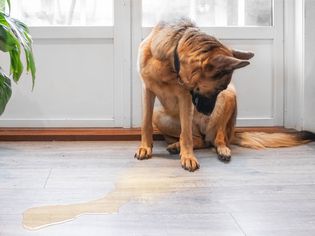
If your house-trained puppy or recently rescued dog pees on the floor when people come over or when you come home, then you might have a dog with a submissive or excitement-based urination issue. Any inappropriate urination, regardless of how or where it occurs, could signal an underlying health problem, so it's worth knowing what submissive or excitement-based urination looks like—and when something more serious may be going on with your dog.
For older dogs, occasional incontinence is not uncommon, but you should have your dog evaluated by your veterinarian in case of a health problem. For house-trained puppies, it often takes some sleuthing to find the root of the problem.
We're here to help you distinguish between submissive and excitement-based urination in your dog and learn how to address it.
Dogs (especially puppies) will sometimes pee when they are in an exciting or overwhelming situation. It may appear to be involuntary, and it often leaves a puddle at their feet or you may find lots of little drops of urine on the floor as they walk or run around the area. This is not the same as dogs who are having urinary accidents in the house or lift their leg to urine mark.
There are a few different reasons why your dog might pee when they are excited or scared, including simply showing they are not a threat or due to their excitement. It is always important to consider your pup may have an underlying health problem causing the problem too.
Dogs who urinate while exhibiting submissive behaviors are typically trying to send a signal that they are not a threat. These dogs may pee when someone approaches, stands over them, or uses a loud voice. Ironically, dogs may urinate submissively if there's a history of rough treatment or punishment after inappropriately peeing as the more they are yelled at or scared, the more they urinate as they try to further minimize the threat. This is sometimes seen in rescued dogs and dogs who are shy, anxious, or fearful. Other signs of submissive behavior they may show at the same time include cowering with their tail tucked and ears back and/or rolling over onto their backs to expose their bellies.
Excitement peeing usually happens in puppies, and they sometimes grow out of it. However, they're not going to lose the habit overnight. These are the dogs that tend to pee when they get excited—either while playing, when you come home, or when new people and/or dogs visit. Patience and understanding will go a long way toward training a puppy out of this behavior, and you may have to make some modifications to your routine in the short term to help prevent these accidents.
Inappropriate urination is not always caused by submissive or excitement-based issues. Several health problems can affect your dog's urinary habits and bladder control, including urinary tract infections, bladder stones, cystitis, or inflammation within the bladder. In addition, kidney disease, diabetes, nerve damage, or spinal cord injuries as well as other physical disorders may cause inappropriate or excessive urination. Some dogs also have conditions that may cause them to leak urine or urinate without any awareness, known as incontinence, and this can be congenital or something that develops later in life.
It is important to note that intact male dogs will mark, or lift their leg and intentionally urinate on things. This is normal behavior for male dogs, although ideally, they restrict this activity to outside of the house only. If your dog is neutered, that usually resolves the behavior completely or at least reduces how much they mark quite a bit. If the behavior continues long after neutering, speak with your veterinarian about ways to work on modifying the behavior and ruling out any underlying medical problems.
Before trying to address submissive or excitement-based urination, it's essential to take your dog to the veterinarian to rule out any health problems. A urinalysis will test your dog's urine for common problems including infection, which can be treated with antibiotics. Other diagnostic tests like X-rays and an ultrasound can look for problems within the urinary tract including bladder stones, cystitis, or certain kidney problems. In addition, your vet can do blood work to check for any indications of metabolic, endocrine, or organ disease. Many conditions that cause dogs to pee excessively or uncontrollably can be treated medically, although some may require surgery.
To treat submissive peeing, do not hit, scold, or yell at your dog after they have peed. Instead, attempt to build your dog's confidence by teaching basic cues (sit, stay, come), using positive reinforcement methods. This is the same reward-and-praise process used to teach simple tricks (rollover, fetch). You'll also want to modify how you interact with your dog using the following non-threatening postures:
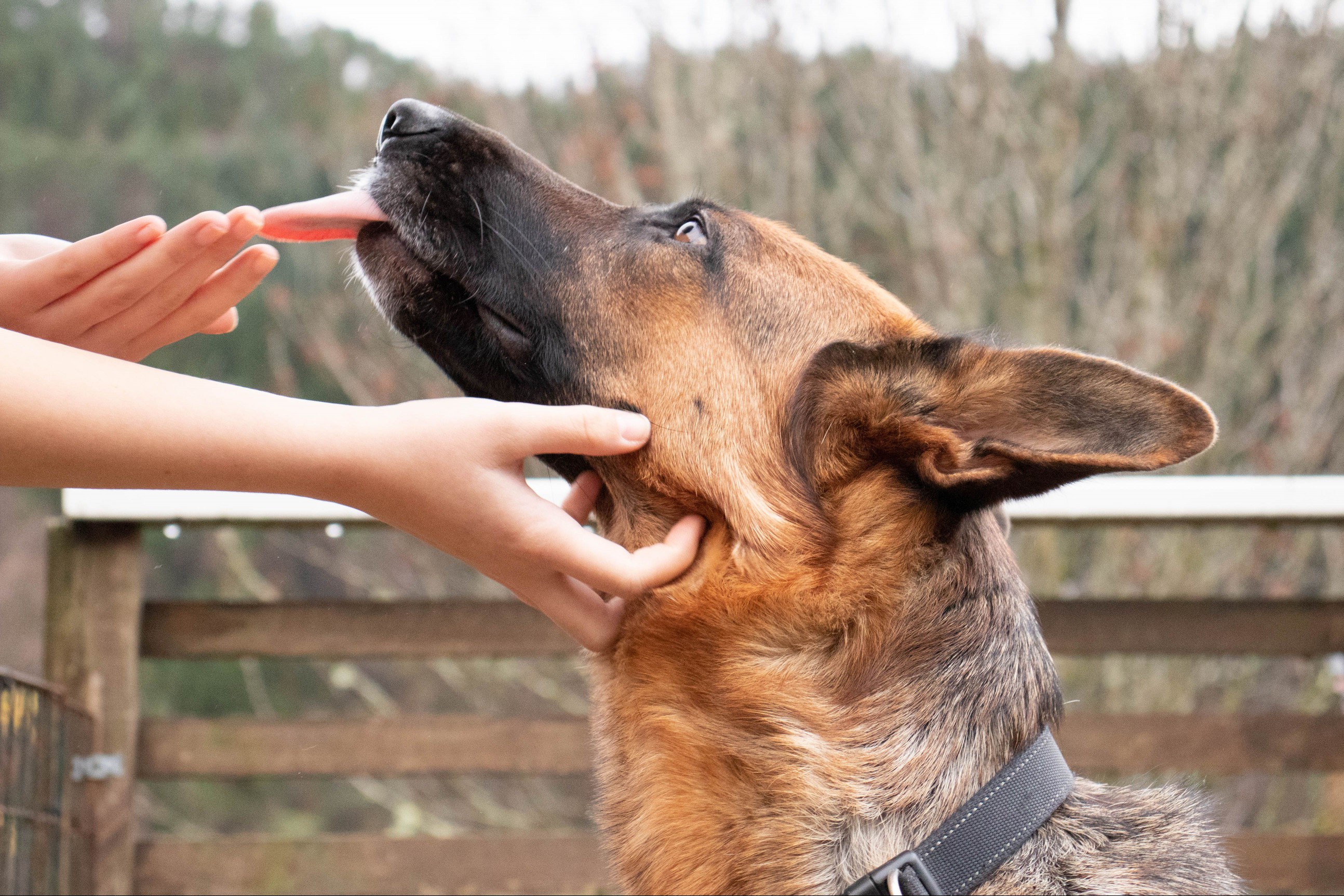
The Spruce / Charlotte Engelsen
To help your puppy with excitement-based urination, maintain a calm, quiet demeanor and be consistent.
All these things should not only help your dog break the habit of peeing when excited but will also help you cultivate a calmer, more confident dog.
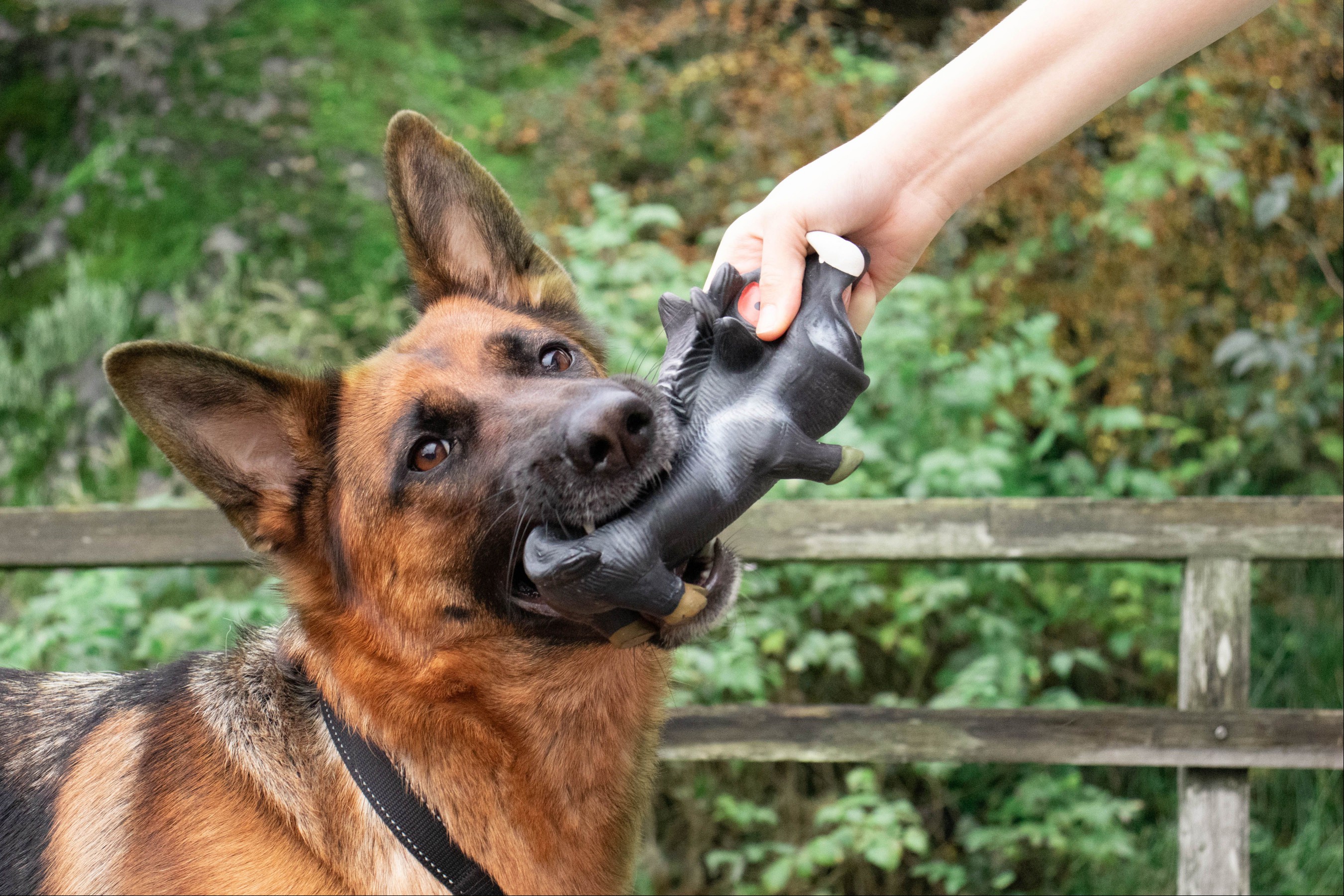
The Spruce / Charlotte Engelsen
When you've tried everything but your dog continues peeing when excited or submissive, you may need to consult with a credentialed animal behaviorist. Sometimes, getting a professional point of view on the problem can help—a specialist may be able to see patterns in your puppy's behaviors that you're missing and create a custom behavior modification plan.
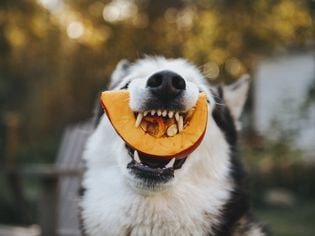
Pumpkin has become a staple of autumn for people, and better yet, it's one of a handful of "human" foods that are actually recommended by
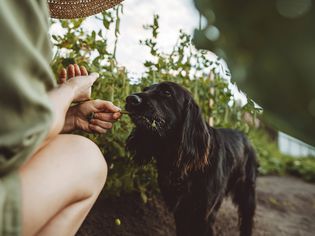
Can dogs eat edamame? Yes, your pup can enjoy small amounts of plain, shelled edamame as an occasional treat, says Rebecca Greenstein, DVM. Edamame re
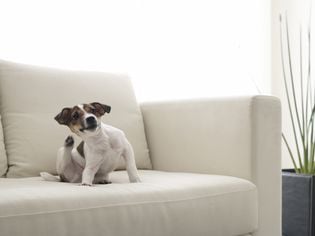
All dogs are vulnerable to parasites, and two main categories of parasites affect dogs: external and internal. External parasites generally affect the
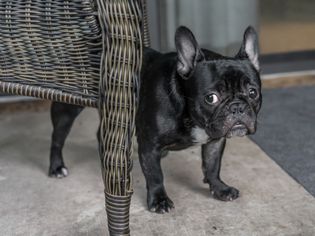
Many dogs tremble or shake, even when it’s not cold outside. This is especially common in small dogs like Chihuahuas. Dog shaking can be just a normal
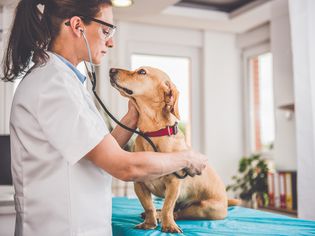
The signs of cancer in dogs are not always specific or obvious. Cancer is a leading cause of death in dogs, but if your veterinarian can diagnose canc
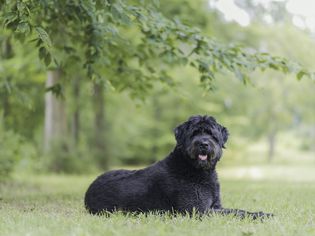
The Bouvier des Flandres is a large herding breed from Belgium with a sturdy body to pair with its wiry fur, floppy ears, bearded face, and fluffy app
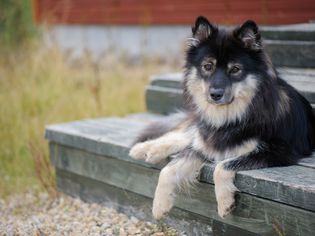
The Finnish Lapphund is a medium-size herding dog breed from Finland that has a thick, medium-length coat, which comes in a variety of colors and mark
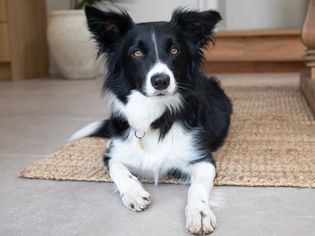
Seizure-alert dogs are service animals trained to warn their owner about the onset of a seizure. While it’s not entirely known how dogs are able to pr
We are a comprehensive and trusted information platform dedicated to delivering high-quality content across a wide range of topics, including society, technology, business, health, culture, and entertainment.
From breaking news to in-depth reports, we adhere to the principles of accuracy and diverse perspectives, helping readers find clarity and reliability in today’s fast-paced information landscape.
Our goal is to be a dependable source of knowledge for every reader—making information not only accessible but truly trustworthy. Looking ahead, we will continue to enhance our content and services, connecting the world and delivering value.