
8 Things to Teach Your New Rescue Dog Right Away
Once you've decided that a dog is right for you and have welcomed them into your home, it’s essential to teach them some fundamental behaviors and bou
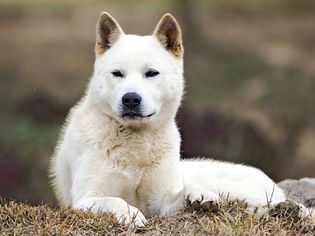
The Korean Jindo is a medium-sized, rare spitz breed. “Spitz” is a term that’s used to describe a group of dogs with similar characteristics, namely a thick double coat, a wedge-shaped head, upright triangular ears, and a long tail that curls up and over the back. Also called Northern breeds, spitz breeds are frequently found in cold and snowy parts of the world. The Korean Jindo is a natural breed, meaning it developed without much manipulation from humans.
When paired up with the right person (this is a one-person dog), this breed is loyal, and protective, making for an excellent watchdog that rarely feels separation anxiety or clinginess. A Korean Jindo is also calm, clean, and well-behaved, making them an enjoyable house pet in the right situation.
Learn more about the Korean Jindo, including their temperament and care needs.
GROUP: Sporting
HEIGHT: 17.5 to 21.5 inches
WEIGHT: 33 to 50 pounds
COAT: Medium length, double coat
COAT COLOR: Red fawn, white, black, black and tan, wolf grey and brindle, with a light undercoat
LIFE SPAN: About 14 years
TEMPERAMENT: Careful, intelligent, calm, protective, faithful
HYPOALLERGENIC: No
ORIGIN: Korea
The Korean Jindo is beautiful to behold but is also one that demands a specific type of dog parent. They are tremendously territorial, which makes them great watchdogs. However, their territorial nature means they can be aggressive toward other animals, especially other dogs of the same sex. Korean Jindos are also suspicious of strangers, to the point that it can be difficult to have other people watch the dog if you must be out of town.
In the right hands, the Korean Jindo is an exceedingly loyal and faithful companion. However, they can be prone to anxiety, including separation anxiety when they’re left alone for too long. They also may feel anxious during moves or traveling. All of this could lead to unwanted behaviors like barking and chewing.
| Affection Level | Low |
| Friendliness | Low |
| Kid-Friendly | Medium |
| Pet-Friendly | Low |
| Exercise Needs | Medium |
| Playfulness | Low |
| Energy Level | Medium |
| Trainability | Low |
| Intelligence | High |
| Tendency to Bark | Low |
| Amount of Shedding | Low |
The Korean Jindo originated on a small island off the coast of South Korea called Jindo, from which the breed takes its name. The Korean Jindo was known on this island for thousands of years, and they lived amongst humans but were allowed to roam freely. They hunted alongside their humans and guarded their homes.
In Korea, the Jindo is considered a national treasure. Korean Jindos were included in the opening ceremonies of the 1988 Olympic Games, which were held in Seoul, Korea.
In the United States, the Korean Jindo is recognized by the United Kennel Club, where it is part of the Northern Breeds group. The Korean Jindo is also part of the Foundation Stock Service in the American Kennel Club, which is the first step toward eventual full recognition of the breed. The Korean Jindo is also recognized by the international kennel club Fédération Cynologique International.
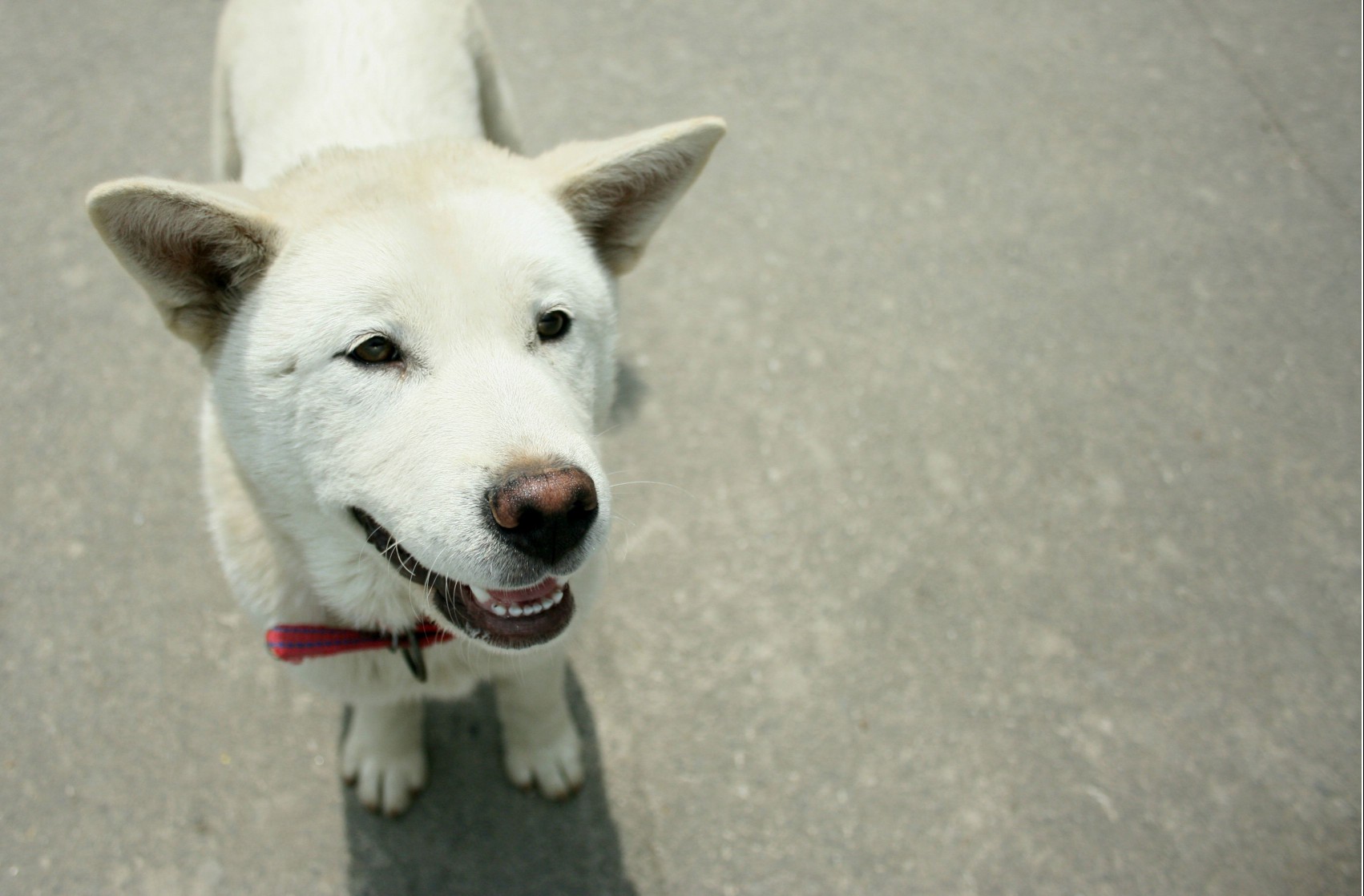
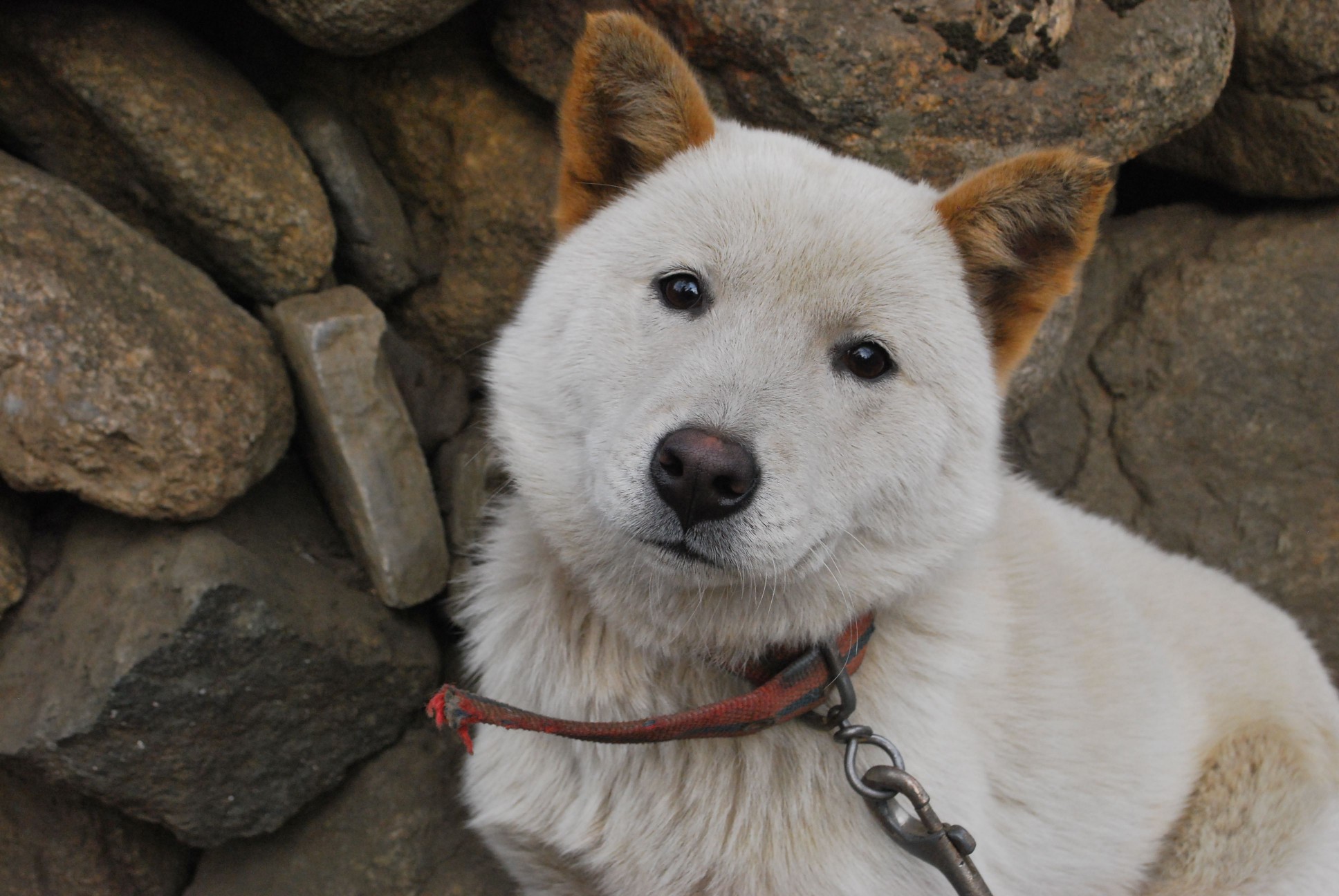
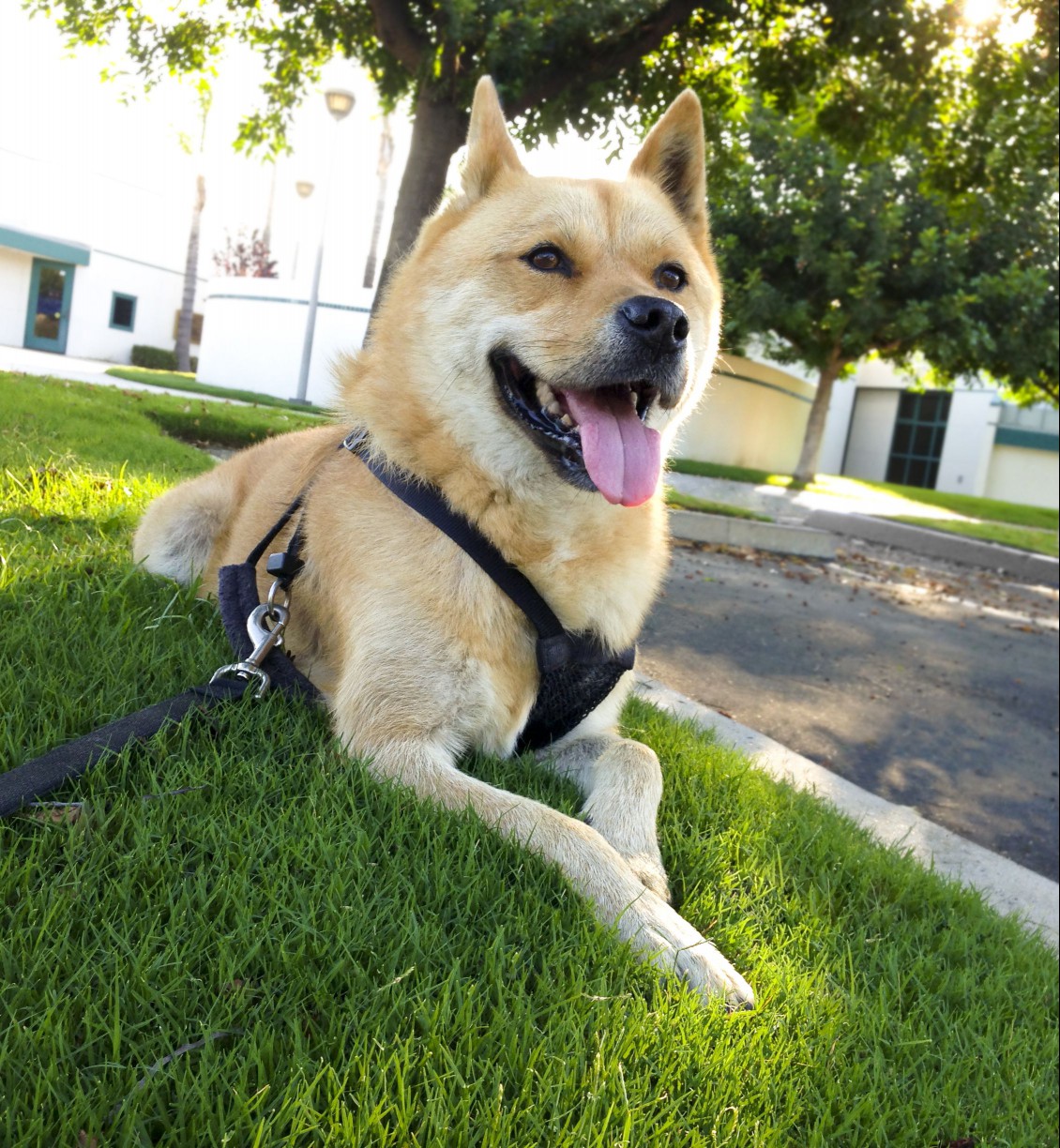
Korean Jindos were primarily used for hunting and guarding the home. They have lots of energy and tons of prey drive (the instinct to chase and kill animals). Providing lots of outlets for both physical and mental stimulation will allow your Korean Jindo to remain calm and quietly watchful at home.
This dog adapts to domestic life and small spaces easily, doesn't bark too much, and doesn't require hours of exercise every day. Apartment dwellers need to remember that many Korean Jindos are escape artists so you will need to watch your open doors for escape attempts.
Jindos may not need as much exercise as you might think. If you give them around 30 minutes of exercise per day, your dog may be satisfied, though they can always go for a longer stroll if you prefer.
Since they are strong and athletic, Korean Jindos will be ready for hunting, jogging, long walks, or hiking, but arduous periods of exercise are not daily necessities.
These dogs have a high prey drive and may run off to chase small animals while outside. They are also excellent at escaping and wandering off. So, always keep a Korean Jindo on a leash when out and let them only play in a securely fenced yard.
For mental stimulation, Jindos particularly appreciate challenging puzzle toys and squeaking plush toys they can shred (to simulate prey).
The Korean Jindo coat is wash-and-wear, and they don’t really need much washing. The Korean Jindo is naturally clean, and the coat smells and feels great even with just occasional baths.
Jindos don’t drool and don’t shed much outside of the twice-yearly seasonal shed. During this time, the Korean Jindo loses a lot of their undercoat, so shedding will be heavy at this time. Extra brushing (even daily) will help keep the shed hair under control. Outside of these seasonal shedding times, the rest of the year the Korean Jindo sheds little and stays neat with just brushing once a week.
Trim your Korean Jindo’s nails weekly. And look inside the ears, cleaning with a pet-safe ear cleaner if they appear dirty.
The Korean Jindo is highly intelligent, but they are not easy to train. They are independent and don’t always have a strong desire to please humans like some other breeds that are eager to learn tricks and commands.
Korean Jindos benefit from abundant training and early socialization, especially around children, to help them develop into confident dogs that do not overreact to “suspicious” situations (for instance, friendly strangers coming into the home).
Early in their lives, these dogs should be taught to come when called. This will prevent them from chasing small animals or wandering away from home.
In general, the Korean Jindo is a healthy and long-lived breed. According to the national breed club in North America, the Korean Jindo Association of America, a few health conditions have been identified in the breed, including:
Feed your Korean Jindo high-quality dog food (ask your breeder or veterinarian for a recommendation). Rather than leaving food out all day (called free-feeding), portion out meals with a measuring cup or scale to avoid overfeeding. Free-feeding can lead to weight gain. Obesity and being overweight can contribute to health issues and compromise joints.
The Korean Jindo is a very rare dog breed. Some adult Korean Jindos or Jindo mixes might find their way into a rescue situation, but usually, people who want a Korean Jindo must look for a reputable breeder for a puppy.
The Korean Jindo Association of America publishes a list of breeders on its website, so you can look for breeders in the United States. Be prepared to have to wait for some time (even years) for a puppy to become available. Bred puppies may cost on average of between $1,000 to $3,000.
To adopt this breed, try the Treasured K9s, an organization that specializes in rescuing and rehoming Jindos. When adopting, consider that this breed bonds very closely with one person, and can be difficult to rehome in the event the individual must give the dog up. But you can always discuss this issue with the rehoming organization.
The rare Korean Jindo isn’t the best dog breed for all pet parents. These dogs are territorial, can be difficult to train, and have a high prey drive that makes them unsuitable for homes with other pets, including other dogs. But they bond strongly with you and are very loyal.

If you like the Korean Jindo, you might also like to read about these similar breeds:
There’s a whole world of potential dog breeds out there—with a little research, you can find the right one to bring home!
Though similar in appearance, the Korean Jindo and Shiba Inu are separate, distinct breeds. They are both very intelligent, but the Korean Jindo is less affectionate and less friendly than the Shiba Inu.
This is a breed that is best left to expert-level dog owners who are adept at showing a canine very strong leadership. The Jindo is generally not a good match for the novice dog owner because they can be challenging to train and live with.
Korean Jindos can be aggressive towards other animals, including other dogs. And they can be wary of strangers. They are protective and territorial.
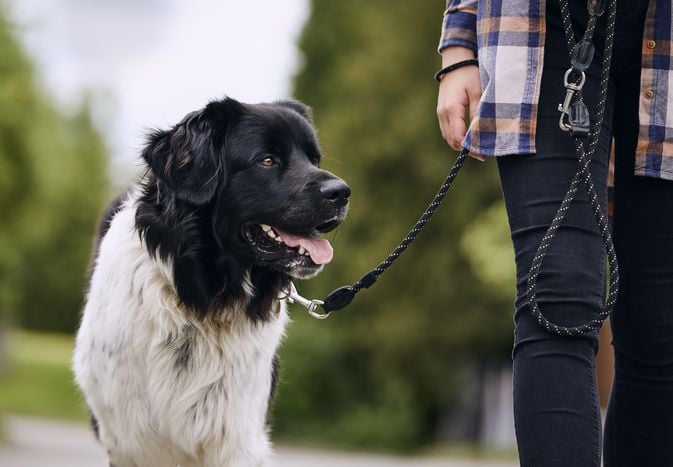
Once you've decided that a dog is right for you and have welcomed them into your home, it’s essential to teach them some fundamental behaviors and bou

Is fish oil good for dogs, and can you give human fish oil to dogs? There are many fish oil supplement options for both humans and pets, so it can be

Fleas are one of the most common ectoparasites in dogs and cats. Not only are they a nuisance, they can transmit diseases. A study of the prevalence o
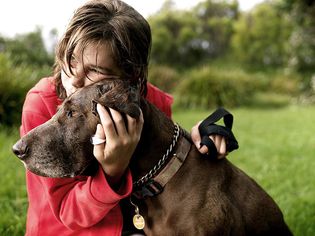
Seizures, which are sometimes referred to as convulsions or fits, can occur in dogs for many different reasons. Idiopathic epilepsy is the most common

Ascites in dogs is an abnormal buildup of abdominal fluid that occurs as a result of an underlying disease. Several health conditions can cause ascite
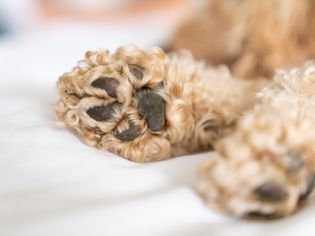
Paw pads offer insulation for a dog’s feet and provide traction while aiding with balance, slowing down, and stopping. They also act as shock absorber

Smooth fox terriers are friendly, outgoing pups who are always up for an adventure with their owners. These petite pups typically weigh less than 20 p
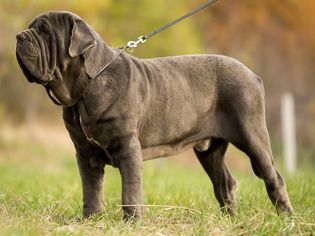
The Neapolitan mastiff is a giant working breed from Italy with wrinkly skin, short fur, a muscular build, and long, floppy jowls that droop from thei
We are a comprehensive and trusted information platform dedicated to delivering high-quality content across a wide range of topics, including society, technology, business, health, culture, and entertainment.
From breaking news to in-depth reports, we adhere to the principles of accuracy and diverse perspectives, helping readers find clarity and reliability in today’s fast-paced information landscape.
Our goal is to be a dependable source of knowledge for every reader—making information not only accessible but truly trustworthy. Looking ahead, we will continue to enhance our content and services, connecting the world and delivering value.