
Common Canine Behaviors Explained
There's no doubt that every dog is its own person and has a specific personality. But nearly all dogs are guilty of a few bizarre behavior pattern
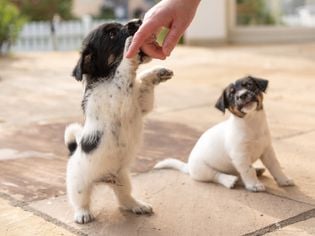
A big part of every puppy's early education should involve learning how to use its teeth. Mouthing and biting are natural puppy behaviors, but it's important that dogs learn to use their mouth gently.
For most of us, when we get a feel of those needle-sharp puppy teeth digging into us, our first instinct is to stop the behavior. Don't! Before you teach your puppy not to bite, you must first teach the pup that when it does bite, the puppy should bite down gently without much pressure. This is called bite inhibition and it should be part of your socialization program for your puppy. It is not particularly difficult to teach, but does require a commitment and consistency from the owner. The training is essential and worth it since it will prevent your dog from biting too hard.
Bite inhibition is a training method that teaches dogs to bite without exerting pressure, drastically reducing the risk of an extremely harmful bite. While bite inhibition doesn't completely prevent biting, it does teach biting without causing real harm.
All dogs have the potential to bite. It's important that dog owners do their best to train dogs so they can prevent dog bites. It's still realistic to plan for the worst. If your puppy grows into an adult and ends up biting someone, you don't want the adult dog to exert a great deal of pressure. Teaching a puppy bite inhibition can mean the difference between a little nip from your dog and a bite that sends the victim to the hospital. This is also important for dog interactions as dogs playing well together use bite inhibition to maintain a safe level of play. Dogs that are not properly socialized to this behavior can bite too hard in play, leading to dog fights or other negative interactions.
The first step of teaching bite inhibition is teaching your puppy to use its mouth softly. If your pup was allowed to stay with its litter until it was 8 weeks or older, the puppy's siblings will have already started this lesson. If a puppy nips a littermate too hard, the other puppy usually yelps or stops playing. This lets the pup know that the bite was too hard.
When you're playing with your puppy, you can follow the example of the littermates (even if they are not there). Allow your pup to nip a little as long as it doesn't really hurt you. When your puppy bites a little too hard, say "ouch" in a firm voice. If the puppy continues to bite hard, you can say "ouch" and then get up and step away from playing for a few minutes. Your puppy will quickly learn that it has to use its mouth gently if the pup wants games with you to continue. The puppy will only learn to use its mouth softly through repetitive and consistent training.
Once your puppy is using its mouth gently, it's time to start cutting back on how often your pup is allowed to nip and bite during play. Remember, the cute little bundle of fur in front of you is going to be an adult before you know it, and you, your friends, and family members aren't going to want the puppy using you as a chew toy.
Start by teaching your puppy the "leave it" command. You can hold some treats in your hand, give your dog the command, and wait until it backs off a little. Praise the dog immediately when it backs off and give it a treat. At first, there may only be a few seconds where your dog is calm and quiet and not actively trying to get the treat, so you have to act quickly to reward the calm behavior. Practice this through several training sessions until your puppy responds to the command every time and you can increase the length of time between giving the command and the reward. Now you can start giving your puppy the "leave it" command any time it starts to mouth your hands. In this way, you can slowly phase out mouthing behaviors entirely, or at least confine it to only those times when you initiate the behavior during playtime. You should now have a dog who never uses its mouth without being invited to play, and when the dog does use its mouth it is done very softly. Again, puppies learn through reinforcement and consistent messages. This is imperative; otherwise training and bite inhibition exercises will not be successful.
For the times when the puppy is in a playful mood and you want to redirect the energy (and potential for playful bites) away from you (or your children), have plenty of toys around the house. When your puppy starts mouthing on you or other household objects that are off-limits, present it with a toy and reward it for playing with that instead. This is perfect for giving the puppy playtime and learning what is appropriate. If you have young children in the house, keep watch of puppy toys versus beloved stuffed animals. To a puppy, they all seem the same.
A common mistake is to suppress the biting by punishing the puppy. While this might work as a quick, short-term fix, it is not a solution. Punishment doesn't teach the puppy bite inhibition. If there comes a time when the puppy (or dog) does bite, they will likely bite hard rather than the inhibited biting you were trying to teach them.
Make sure you (and all family members) are aware of the training style and know how to implement it. Work on bite inhibition in different situations, and continue to reinforce it daily.
There's no doubt that every dog is its own person and has a specific personality. But nearly all dogs are guilty of a few bizarre behavior pattern
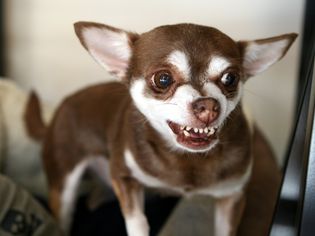
You have probably seen a dog bare its teeth at one point or another. You might have thought it meant "stay away" and you were probably right.
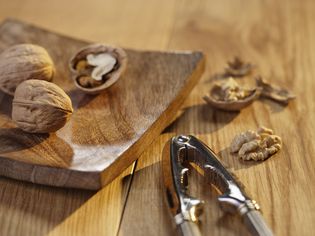
Walnuts are not considered healthy treats for dogs. While nuts are a good-for-you snack that's rich in nutrients for humans, it's best to keep
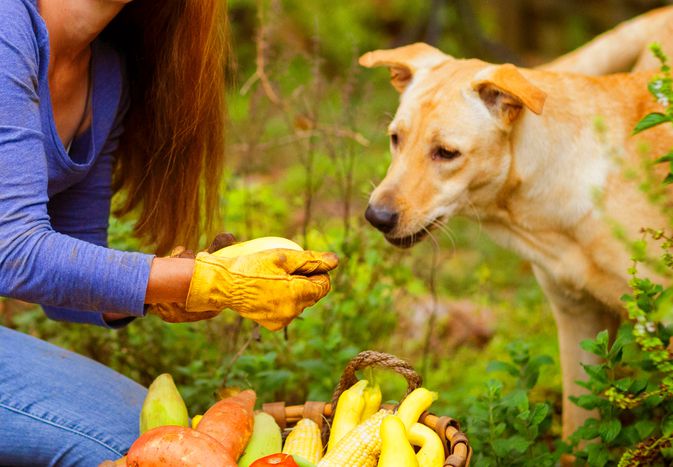
A lot of dogs really enjoy chomping on fruits and vegetables. So, the next time you’re preparing dinner, you may find yourself wondering—can dogs eat
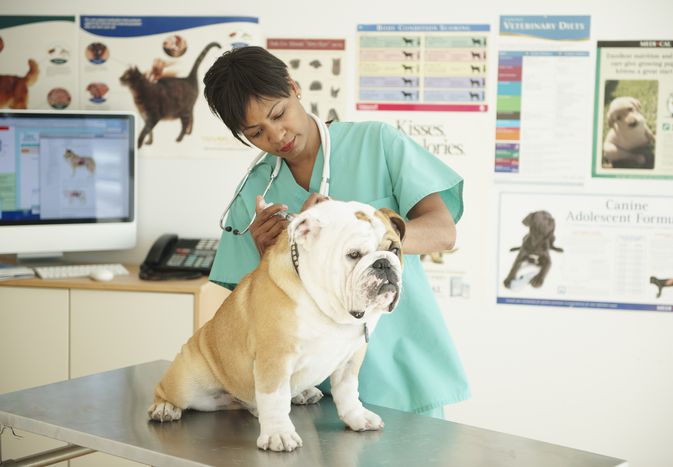
An itchy pup is a pup unable to live her best, healthiest life. But allergy shots for dogs can make her feel better by slowly making her immune system
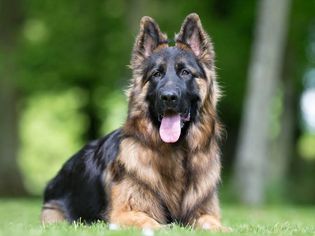
The king shepherd is a giant-breed dog from the United States with pointed ears, a long snout, and thick fur on its strong, sturdy body. While not rec
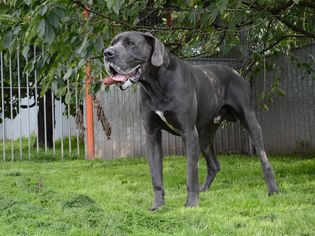
Giant dog breeds are larger-than-average canines. Beloved by many but not for everyone, large and giant dogs come with their own set of needs. In gene
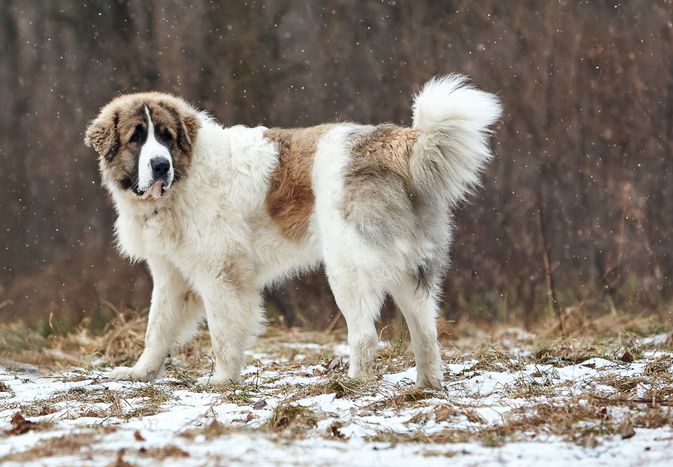
The Pyrenean Mastiff, also known as the Mastín del Pirineo, is a large, fluffy-haired breed originally from the Pyrenees mountains in northeastern Spa
We are a comprehensive and trusted information platform dedicated to delivering high-quality content across a wide range of topics, including society, technology, business, health, culture, and entertainment.
From breaking news to in-depth reports, we adhere to the principles of accuracy and diverse perspectives, helping readers find clarity and reliability in today’s fast-paced information landscape.
Our goal is to be a dependable source of knowledge for every reader—making information not only accessible but truly trustworthy. Looking ahead, we will continue to enhance our content and services, connecting the world and delivering value.