
Spinal Stenosis in Dogs
Spinal stenosis, and more specifically lumbosacral stenosis, is a painful disease affecting the lower level of the spinal cord of a dog and can cause
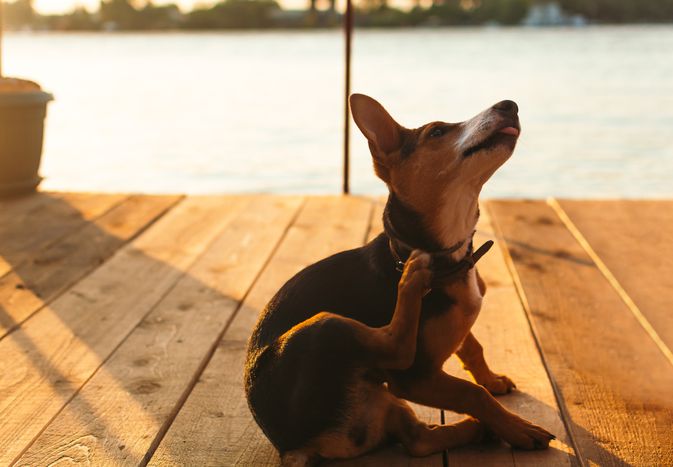
Fleas are tiny insects that bite, cause itching and irritation, transmit diseases, and aren't wanted guests for any dog. Despite these lack luster qualities, fleas readily make themselves at home on dogs and the dog owners are the ones that have to clean up after the flea leaves a trail of destruction. Where there is flea dirt, there are (or were) fleas, and you'll want to get rid of them both.
Flea dirt is what live fleas leave behind wherever they go. It can be found on your dog, their beds, in your carpet, on your furniture, and anywhere else your dog may spend time. This is because when a flea bites an animal and feeds on their blood, they digest that blood and produce, well, poop. This poop that a flea produces is commonly referred to as flea dirt. Flea dirt looks like tiny, dried, dark dirt and it is often mistaken as dirt or soil from the ground but when it gets wet, it will turn red. This is an identifying factor of flea dirt since it is digested blood. Dirt from the ground is typically black, unless it is from red clay soil.
While the fleas themselves are typically a larger concern that needs to be addressed with a flea collar or other flea product, the dirt they leave behind can also be dangerous. Flea dirt can contain bacteria called rickettsia and this bacteria can cause an infection in people called flea-borne typhus if it gets into a wound. According to the Centers for Disease Control and Prevention, flea-borne typhus, while rare in the United States, can cause a fever and chills, body aches and muscle pain, a loss of appetite, nausea, vomiting, stomach pain, coughing, and a rash. More severe illness can occur but is more rare.
Flea dirt can also carry bartonella, another type of bacteria that can infect people just like rickettsia. Bartonella can cause cat scratch disease if it gets into a wound and results in a low-grade fever, enlarged lymph nodes, and a pustule where the organism entered the body. More serious symptoms can also occur.
Despite the potential for serious illnesses though, flea dirt is not usually harmful to the average person. Unless the individual has open wounds that the flea dirt gets into or is scratched by a cat or dog with flea dirt on their claws, flea dirt is usually just a gross reminder of the insects it came from.
If you find flea dirt in your home or on your pet, the best things you can do to get rid of the flea dirt is to give your dog a thorough bath and get rid of the fleas. Any pet-safe shampoo will suffice for the bath since flea dirt does not need to be killed, just removed. Shampoo, water, and a brush to help loosen any clumps of fur holding in flea dirt are all you will need. To get rid of the fleas though, veterinarian-recommended insecticidal products for killing fleas are needed alongside treatments for your home.
To rid your home of flea dirt, you'll want to vacuum and wash everything that your dog may have spent time on. This means vacuuming and washing all floors, furniture, dog beds, pillows, and blankets. Detergents and surface disinfectants should be used as you normally would to clean these items.
The best way to prevent flea dirt is to prevent your dog from getting fleas. In order to prevent fleas, veterinarian-approved flea control products should be used as recommended. These products can include collars, pills, and topical treatments and often require reapplication monthly or every three months. All dogs, cats, and ferrets in a household should receive these flea control products on a regular basis if they, or another furry family member they interact with, ever go outside. Even if a dog is the only pet in a home that goes outside, they may carry in fleas that will jump onto an indoor-only cat or ferret that isn't treated with a flea control product.
In addition to regularly using flea control products, keep wildlife like mice and opossums out of your home and avoid feeding and petting stray animals. This will discourage them from hanging around your home and giving fleas a chance to find your pet.
Spinal stenosis, and more specifically lumbosacral stenosis, is a painful disease affecting the lower level of the spinal cord of a dog and can cause
Ear infections in dogs can cause severe itching and pain, and they require veterinary treatment. Symptoms are usually noticeable early in an infection
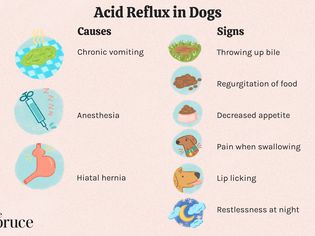
Acid reflux happens when a dog's stomach contents push upward into the esophagus. This problem can happen to any dog and is commonly recognized by exc
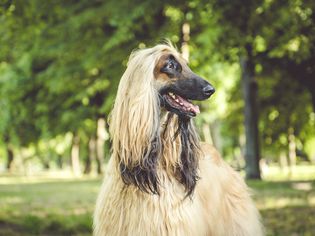
The Afghan hound is a majestic dog, known for their long, silky coat. They are a medium-large and slim breed of dog popular for their show-worthy qual
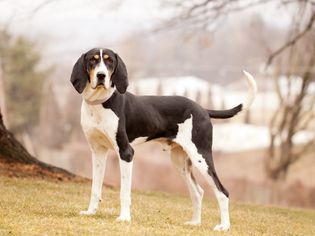
The treeing walker coonhound is a medium-large hound dog breed native to the United States that has a short, low-maintenance coat and long, floppy ear
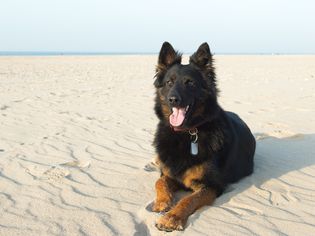
The Czech shepherd is a medium-size herding dog breed from the Czech Republic that has a medium-length, wavy coat and overall looks very similar to a
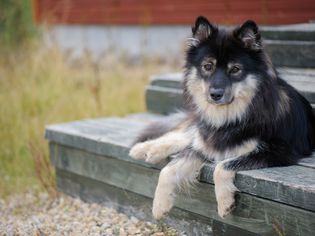
The Finnish Lapphund is a medium-size herding dog breed from Finland that has a thick, medium-length coat, which comes in a variety of colors and mark
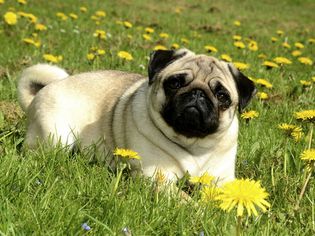
Companion dogs take the whole "man's best friend" notion to a whole new level. These dogs are generally happiest when they’re with their h
We are a comprehensive and trusted information platform dedicated to delivering high-quality content across a wide range of topics, including society, technology, business, health, culture, and entertainment.
From breaking news to in-depth reports, we adhere to the principles of accuracy and diverse perspectives, helping readers find clarity and reliability in today’s fast-paced information landscape.
Our goal is to be a dependable source of knowledge for every reader—making information not only accessible but truly trustworthy. Looking ahead, we will continue to enhance our content and services, connecting the world and delivering value.