
Reasons Why Dogs Run Away and How to Stop It
Losing your dog can be a terrifying experience. It’s even scarier to realize that your dog ran away on purpose. If your dog runs away repeatedly, it’s
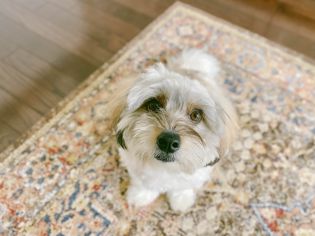
Cataracts are a relatively common condition in dogs that cause clouding in the eye and can lead to vision loss. Symptoms are primarily the milky appearance of the eye and the effects of vision loss, such as hesitance to walk in dim or dark areas and the inability to move up and down the stairs. Cataracts are mainly inherited but can also form secondarily due to diseases like diabetes and glaucoma. Your vet will diagnose cataracts by examining the eye and running blood tests. Surgery is the only way to remove cataracts, and the success rate is high. Untreated cataracts can lead to total blindness. Breeds like the Bichon Frise, Boston terrier, miniature poodle, and toy poodle are predisposed.
A cataract is the clouding of the lens in the eye. The intraocular lens is comprised of transparent fibrous tissue and is located behind the iris. In a normal eye, the lens is transparent, which enables light to pass through the eye to the retina, creating clear images. When a cataract forms, the lens becomes opaque, light is blocked, and vision is compromised. A cataract often starts as a small spot of milky white cloudiness, causing blurriness and obscured vision, and can grow until it causes complete blindness.
Cataracts in dogs, especially in later stages, are usually identifiable with the naked eye. The accompanying vision loss presents itself in a variety of ways. If you suspect your dog has cataracts, visit your vet right away.
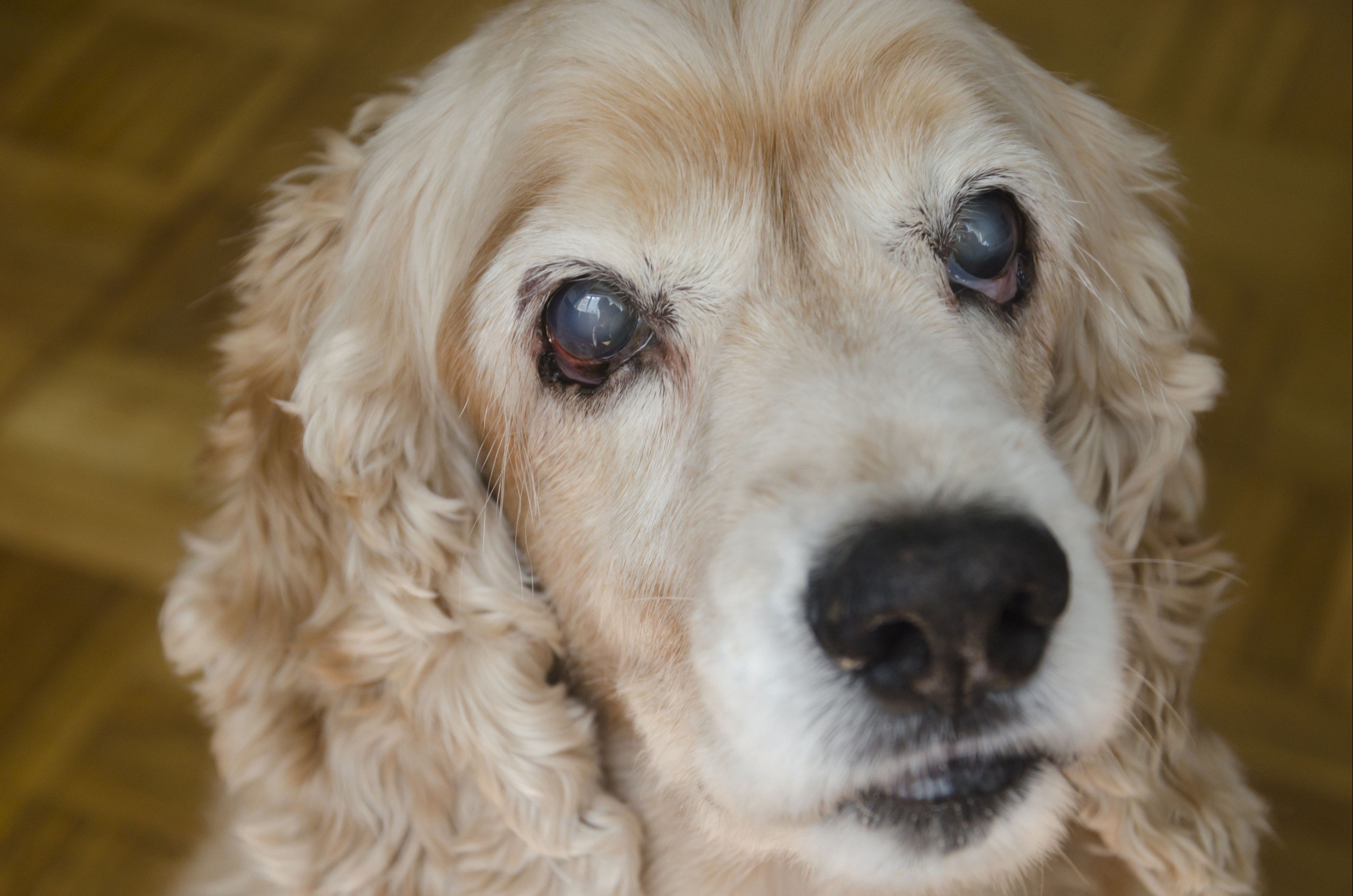
The most apparent signifier of cataracts is the eye's cloudy, milky, bluish appearance. Early in development, the cataract may only appear as a small spot but can grow to cover the entire eye. Along with the eye's discoloration, your dog may experience a wide array of vision loss symptoms. These include hesitation to move in dimly lit areas, clumsiness, refusal to walk up or down the stairs, and difficulty finding treats tossed in its direction. Together, vision loss and cloudiness in the eye are strong indicators of a cataract, but any of these symptoms call for a visit to the vet.
Cataracts in dogs can be primary or secondary and are caused by a variety of factors.
A veterinarian will diagnose cataracts after performing a thorough eye exam. This will likely involve looking at your dog's eyes using a magnifying glass and a bright light. The physical exam may be accompanied by blood analysis, ultrasound, and blood pressure measurements to look for diseases causing secondary cataracts. Early diagnosis is essential because cataracts may begin small and grow over time. There are conditions unrelated to cataracts that may present similar symptoms, so even if you suspect your dog has a cataract, only a vet can make a definitive diagnosis.
Surgery performed by a veterinary ophthalmologist is the only way to remove a cataract. There are no medications that can effectively treat, prevent, or slow progression. Still, your vet may recommend prescription eye drops or systemic medications to treat any secondary symptoms of cataracts. The affected lens is carefully removed through a process called phacoemulsification, and an artificial lens is then placed in the eye.
Because the surgery requires general anesthesia, not all dogs are eligible due to heightened risk. In this case, anti-inflammatory eye drops may be prescribed but will only work to stave off glaucoma, not slow the development of cataracts themselves.
If your dog is a member of a pre-disposed breed, pay close attention to its eye health. Typically, you cannot prevent cataracts, but you can take measures to preserve your dog's vision. This can be done through regular checkups, maintaining a healthy lifestyle that minimizes disease risk, and monitoring any changes in your dog's eyes.
Cataracts typically worsen over time, progressing from immature to mature. A mature cataract covers the entire lens and completely obstructs vision. Cataracts may cause lens luxation, meaning the lens can become displaced and damage other parts of the eye. Cataracts may dissolve over time, leading to painful eye inflammation. Untreated cataracts can cause glaucoma to develop, leading to complete, permanent blindness.
Cataract surgery, however, is very effective and usually entirely restores vision. Recovery takes a few weeks, and your dog must wear an e-collar to avoid rubbing its eyes. You may use anti-inflammatory and antibiotic eye medications to assist in healing.
Cataracts look like a cloudy, milky, bluish disk over what used to be the black portion of the eye.
No, there is no vaccine to guard against cataracts. The best preventative measure is close monitoring of your dog's eyes and maintaining a healthy lifestyle.
Some dogs do not qualify for cataract surgery due to factors like disease or old age. Because the surgery requires general anesthesia, it may be too dangerous for dogs with pre-existing conditions.
Losing your dog can be a terrifying experience. It’s even scarier to realize that your dog ran away on purpose. If your dog runs away repeatedly, it’s
Once you've decided that a dog is right for you and have welcomed them into your home, it’s essential to teach them some fundamental behaviors and bou
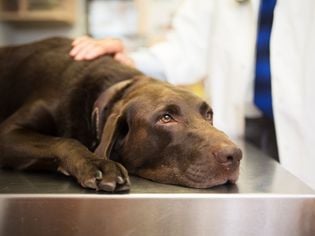
If your female dog is showing signs of pregnancy when she has not mated, you may be surprised to learn that this is actually a common occurrence in th
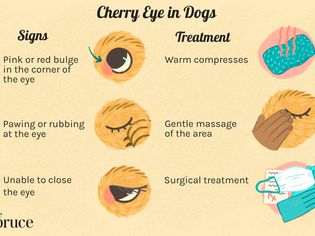
If you notice a pink or red growth in the corner of your dog's eye, it is likely the result of a prolapsed gland, more commonly known as cherry ey
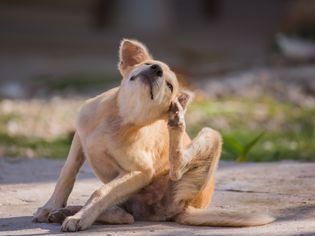
Hot spots are among the most common types of skin problems in dogs. These angry red skin lesions typically occur when a dog excessively licks, chews,
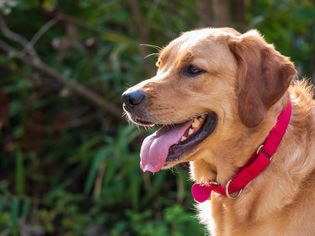
The golden retriever epitomizes the ideal family dog, and golden retriever mixes are no exception. Golden retrievers are "amazing with kids and new pe
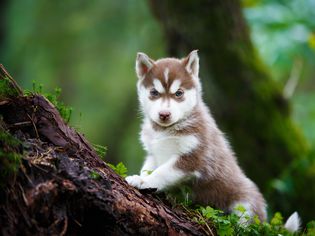
From classic literature (we're looking at you, White Fang), to Game of Thrones and famous Instagram animals, it seems like wolf dogs are everywher
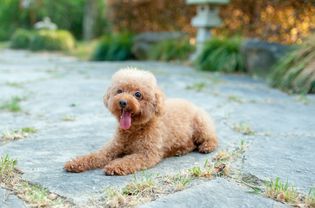
Toy poodles, along with standard poodles and miniature poodles, are famously known for their proven excellence in dog shows. Their curly and voluminou
We are a comprehensive and trusted information platform dedicated to delivering high-quality content across a wide range of topics, including society, technology, business, health, culture, and entertainment.
From breaking news to in-depth reports, we adhere to the principles of accuracy and diverse perspectives, helping readers find clarity and reliability in today’s fast-paced information landscape.
Our goal is to be a dependable source of knowledge for every reader—making information not only accessible but truly trustworthy. Looking ahead, we will continue to enhance our content and services, connecting the world and delivering value.