
Can Dogs Eat Broccoli?
It may be hard to get your 4-year-old to eat their broccoli, but your four-legged family member would probably love to get their paws on the popular t

If your dog suddenly starts to make gagging noises or cough, it can be alarming. Sometimes, it's just a single cough or gag, while other times it is a chronic problem. If the symptoms are ignored and there is an underlying disease causing them, things can progress to a potentially life-threatening situation. Find out what causes a dog to cough or gag and what you can do to help prevent unnecessary issues from developing.
A cough and a gag are similar but not the same. A cough is a hacking noise that occurs when your dog is forcing air out of the throat and mouth. A gag is a retch that is similar to vomiting but nothing comes up and out, except maybe a little phlegm or mucous. Sometimes a dog will both cough and then gag at the end of the cough, but either can happen on its own.
Airborne debris, food, diseases, and more can result in your dog developing a cough or gag. Knowing the cause of your dog's symptoms may help you determine whether or not they are serious.
Sometimes a dog will eat so quickly that the food will go down the trachea instead of the esophagus. This can cause a dog to cough or gag in an attempt to get the food out of the wrong tube. In this case, you could encourage your dog to eat more slowly and place food in a bowl that is at an appropriate height for the size of your dog. Slow feeders and elevated dog bowls can help.
If a dog has a disease that affects the respiratory tract, coughing and/or gagging may occur. It's caused by inflammation and irritation of the trachea or lungs, and until it is treated, the coughing and gagging will continue. Pneumonia, kennel cough, influenza, tracheitis, lungworm infestations, fungal infections, distemper, and other diseases that cause respiratory tract issues will require veterinary attention.
Certain types of heart disease can cause a dog to cough. Fluid accumulation in the lungs can lead to coughing and difficulty breathing. Heartworm disease can interfere with heart function and cause inflammation within the lungs. With these conditions, a dog is likely to cough and gag in an attempt to clear the airway, but that won't help. Only veterinary attention can get your dog some relief.
If a dog is nauseated or experiencing gastrointestinal reflux, gagging may occur. Dogs with chronic reflux can develop a chronic cough.
Some dogs, especially small breeds, are prone to tracheal collapse. This occurs when the cartilage holding the trachea open weakens. Coughing may result due to a decrease in the opening of the airway.
Your veterinarian will perform a full physical examination and obtain a patient history to see what may be causing your dog to cough or gag. X-rays, bloodwork, echocardiograms, and other tests may be needed to make a diagnosis depending on what your vet suspects the problem is.
Depending on the reason for your dog's coughing or gagging, the treatment plan will vary. If your dog is diagnosed with a disease or illness that requires short-term treatment, medications including antibiotics, steroids, and cough suppressants are likely to be prescribed.
Dogs diagnosed with heart disease may be prescribed life-long medications to manage the disease and its symptoms. If the problem is so severe that your dog is not well-oxygenated, oxygen therapy may be needed, too.
While you can't prevent all things that can cause your dog to cough or gag, there are still several things you can do. Keep your dog current on its vaccinations, on heartworm prevention, and away from dogs that are not fully vaccinated or sick. Additionally, keep up with regular check-ups with your veterinarian to help with prevention and early diagnosis. This will enable your vet to start treatment as soon as possible.

It may be hard to get your 4-year-old to eat their broccoli, but your four-legged family member would probably love to get their paws on the popular t
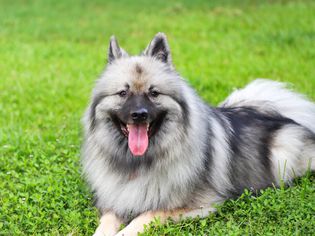
Referred to as the Dutch Barge Dog, the keeshond is a medium breed from the Netherlands with pointed ears, a double coat, and a tightly-curled tail. W

Just like people, dogs need regular dental care, but unfortunately, dental hygiene for dogs is sometimes overlooked. Many people seem to just expect d

Spring offers plenty of benefits—from fresh air and sunshine, to green grass and good sniffs—but it can also introduce some potential hazards into you

Gallbladder disease, also called biliary disease, is any illness or disease process associated with a dog's gallbladder and the surrounding struct

Folliculitis is a skin condition that commonly affects dogs. Irritation of a hair follicle causes inflammation in the area, leading to swelling, redne
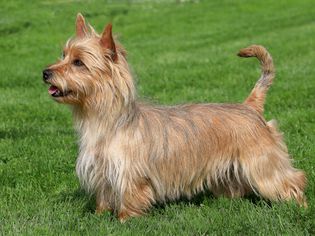
The Australian terrier is a small dog breed from Australia with pointed upright ears, a short frame, and a medium-length double coat with a wiry textu
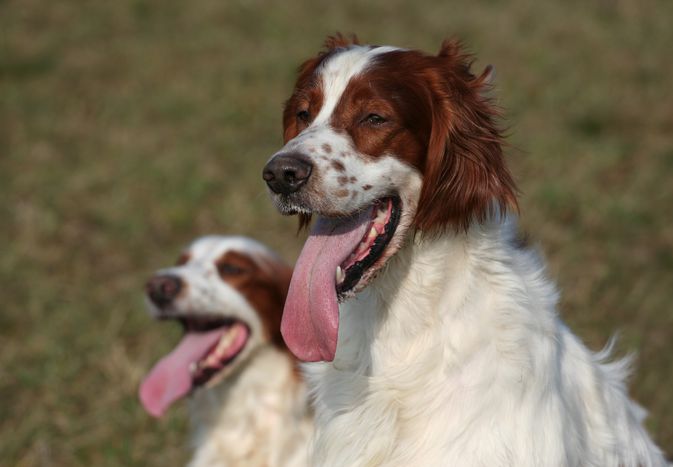
Irish red and white setters (IRWS) are the “gentleman's hunting dog.” They're medium-sized pups with medium-length hair originally bred to hunt birds.
We are a comprehensive and trusted information platform dedicated to delivering high-quality content across a wide range of topics, including society, technology, business, health, culture, and entertainment.
From breaking news to in-depth reports, we adhere to the principles of accuracy and diverse perspectives, helping readers find clarity and reliability in today’s fast-paced information landscape.
Our goal is to be a dependable source of knowledge for every reader—making information not only accessible but truly trustworthy. Looking ahead, we will continue to enhance our content and services, connecting the world and delivering value.