
How to Train Your Dog to Stand and Stay
Training your dog to "stand" on command is very useful. This basic command is used to tell your dog to stand up on all four paws without moving. Learn
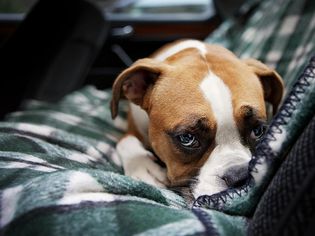
Diarrhea in puppies can often be a sign of illness, caused by many different conditions. It's a common issue, but it can also become serious if pups consumed anything inedible or dangerous or get dehydrated. Although mild cases may resolve with conservative treatment, more severe cases of diarrhea can be deadly for puppies and will need veterinary help. It's important for pet owners to recognize serious symptoms and be familiar with how to treat diarrhea in puppies so they know how to proceed when their puppy is sick.
Don’t wait to treat diarrhea—the resulting dehydration can make puppies even sicker. There are certain signs of diarrhea that require calling a veterinarian immediately, like waste looking black with a tar-like consistency, smelling extremely foul, blood in puppy diarrhea, or loose stools accompanied by symptoms like vomiting, severe abdominal pain, fever, appetite loss, or lethargy.
Causes of puppy diarrhea include viruses like parvovirus and distemper. It can also be caused by intestinal parasites like whipworms and hookworms, protozoa like giardia, and bacteria like salmonella and E. coli. Some types of intestinal parasites can require several tests (over weeks) to obtain a diagnosis. Puppies can also develop diarrhea from a sudden environmental change (like abrupt changes in diet), the stress of coming to a new home, being overfed, or from indiscriminate eating (like out of the garbage or picking up items from outside).
Puppies' immune systems are not fully developed when they are very young and haven't completed their full set of vaccines. This means they're generally more susceptible than adult dogs to bacterial or viral infections.
Viral infections such as parvovirus and distemper, as well as coronavirus, can infect an unvaccinated puppy and cause diarrhea. All are dangerous. If your puppy is suffering from an infection, there's a good chance you'll see additional symptoms such as fever, lethargy, or lack of appetite.
Potential infections should be addressed immediately because they have the potential to be fatal. Common bacterial infections include salmonella and E. coli, but there are many other bacteria that can infect your pet.
Puppies can acquire intestinal parasites such as roundworms and giardia from their mothers very soon after birth. They can also pick them up from the ground or infected water while outside. Most common intestinal parasites can be treated with the right medications from your vet, but some, if not treated, can be dangerous to your pet's long-term health.
Puppies' digestive systems are still developing, and some puppies may have sensitive stomachs or have a hard time with particular brands or types of foods. Most will also respond poorly to a quick change in diet. A few have food allergies that can lead to diarrhea. Check with your vet to be sure the food you've selected is a good match for your puppy's needs; there are many different types of food available, and one will certainly be right for your pet.
In addition to having sensitive digestive systems, puppies are also curious and may mouth or ingest almost anything they find interesting. This can include string, garbage, or virtually anything they find on the ground. In some cases, this can be dangerous—certain objects can cause intestinal blockages while others can be toxic.
If your puppy has just been separated from his mother and siblings, chances are he's feeling some level of stress. Other pets in the house, unexpected sounds or smells, new foods, and new schedules can exacerbate stress. You can help your puppy overcome stress by providing a calm, predictable schedule—regular feedings and exercise—and plenty of affection.
It’s always best to get a vet check first, but they may recommend treating milder forms of diarrhea at home. For instance, home care is usually appropriate if diarrhea has lasted fewer than 36 to 48 hours, your puppy still feels and acts well, there is no urgency and diarrhea has a pudding-like appearance that improves daily.
Until you see the vet, ask them if it's okay to withhold food (but never water) for 12 to 24 hours. This allows the gut to rest and gives the irritation a chance to heal. However, small puppies can develop dangerously low blood sugar levels when fasted, so don’t withhold food without guidance from a veterinarian nor withhold food for any longer than 24 hours.
Make sure water is always available for your puppy because it’s very easy to quickly become dehydrated when he has diarrhea. In moderate or severe diarrhea cases, even water intake is not enough to prevent dehydration from diarrhea. Sudden watery diarrhea can spill large amounts of fluid and important electrolytes out of the body. If your pet is reluctant to drink, seek veterinary care. Consider offering ice cubes to lick or add a few drops of sodium-free or low-sodium chicken broth to the water bowl. In some cases, your vet may recommend Pedialyte or Gatorade half diluted with water to counter the dehydration. These electrolyte solutions are formulated for humans and may not always benefit pets, so always ask your vet before giving them to your pup.
Pepto-Bismol and Kaopectate under vet guidance may also help your pup in some cases. If appropriate for your pup's situation, your vet will know the proper dosage. You can use a needleless syringe or a turkey baster to squirt the medicine into your pup's mouth.
It usually takes a couple of days for your puppy’s upset tummy to calm down, so it's a good idea to employ a bland diet. Offer cooked plain white rice or plain, soft, cooked macaroni in a no-salt chicken broth. For more flavor, stir in 1 tablespoon of low-fat cottage cheese or plain yogurt. Appropriate canine probiotics may also be beneficial, and your veterinarian can guide you to these products.
The best thing you can do for your puppy is to make sure he eats appropriate amounts of healthy, balanced food, get him vaccinated and dewormed as recommended by your veterinarian, and avoid excess treats or foreign material ingestion. Transition slowly to new diets when puppies are young. It's possible your puppy is getting into some spoiled food through the garbage can, so keep those out of reach and don't feed your puppy any human food scraps. You will also want to stay current on your pup's vaccinations and check for any lingering parasites.
When it comes to your puppy's environment, make sure it's stress-free. If your puppy is in a kennel with other pets, you'll want to ensure the kennel is disinfected. Puppies are sensitive to their surroundings, so it's helpful to stay on a regular routine for sleep, food, exercise, and walks.
Another thing that can help is providing some weekly obedience training that includes cues such as "leave it" and "drop it." During walks, you'll want to keep an eye out for any plant or puddle consumption. Those can contain feces, which can lead to diarrhea. When you're unable to supervise your puppy, you may want to keep him kenneled to prevent any accidents.
Training your dog to "stand" on command is very useful. This basic command is used to tell your dog to stand up on all four paws without moving. Learn
Most of us humans enjoy the occasional massage, but why is it that so many dogs enjoy, initiate, and even seem to expect pets on a regular basis? The
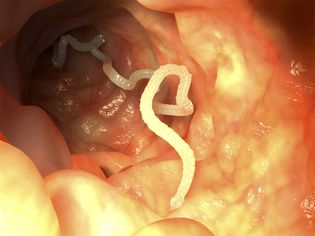
Tapeworms are rarely a serious health risk, but they can pose problems ranging from irritation and itchiness to malnutrition and weight loss. These pa
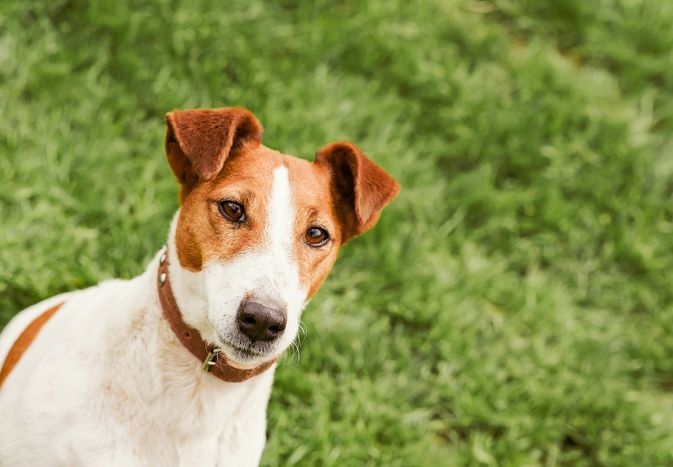
Smooth fox terriers are friendly, outgoing pups who are always up for an adventure with their owners. These petite pups typically weigh less than 20 p
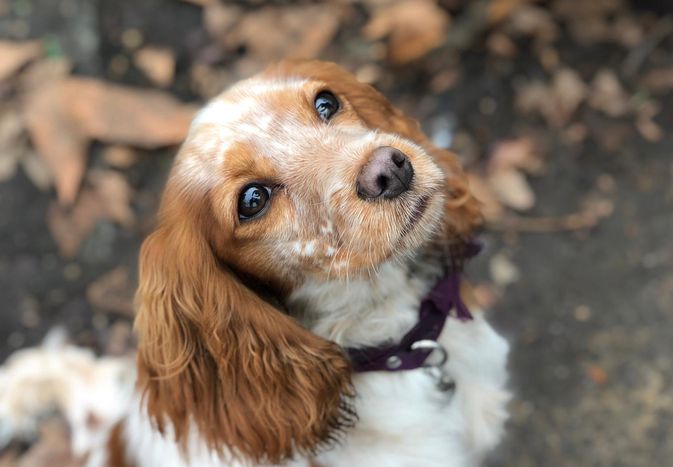
The Cockalier is a small to medium hybrid dog breed developed in the United States by breeding a cocker spaniel (American or English) and a Cavalier K
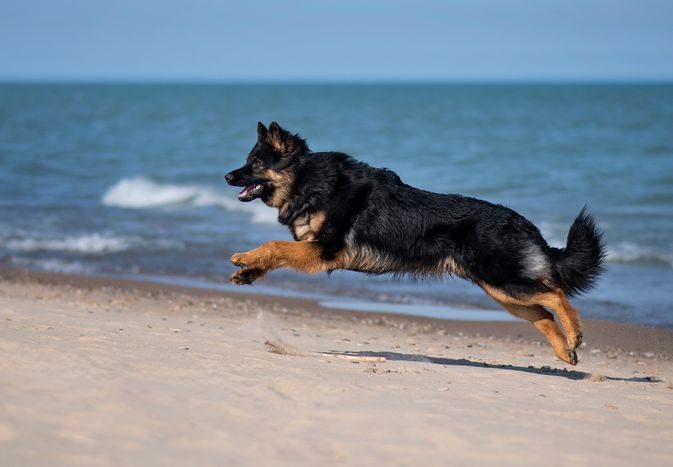
The Bohemian shepherd, also known as the Chodský Pes, is a medium dog breed originally from the Czech Republic. While similar in appearance to the Ger
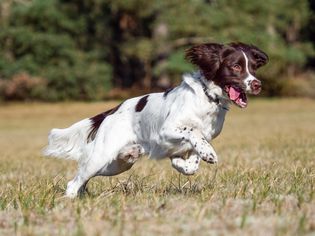
The English springer spaniel is a sturdy and handsome medium-sized sporting dog breed from England with a medium-length coat in a variety of colors. K
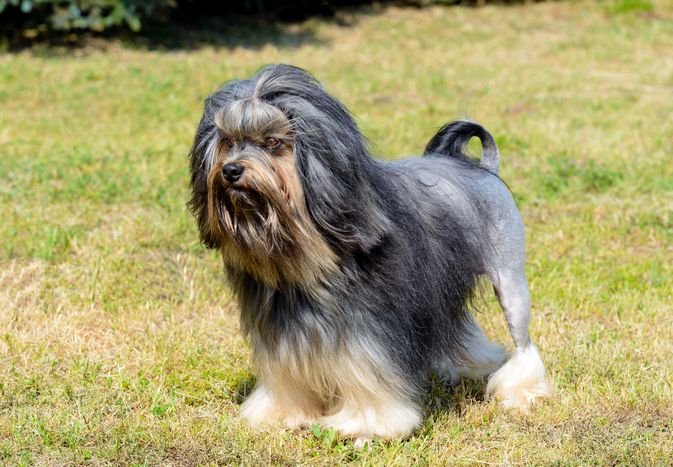
One of the rarest dogs in the world, the löwchen (pronounced lerv-chun) is a European breed known for a petite frame, mane-like fur, and playful attit
We are a comprehensive and trusted information platform dedicated to delivering high-quality content across a wide range of topics, including society, technology, business, health, culture, and entertainment.
From breaking news to in-depth reports, we adhere to the principles of accuracy and diverse perspectives, helping readers find clarity and reliability in today’s fast-paced information landscape.
Our goal is to be a dependable source of knowledge for every reader—making information not only accessible but truly trustworthy. Looking ahead, we will continue to enhance our content and services, connecting the world and delivering value.