
Understanding Dog Talk
Dogs are social creatures that live together, and so they need a dog language in order to get along. How dogs communicate with one another is based on

The Manchester terrier is a toy to small-sized dog breed named after the city of Manchester, England. With a jet-black short coat, chestnut markings, and almond eyes, this dog looks like a small Doberman pinscher.
The breed comes in two size varieties—standard (22 pounds and under) and toy (12 pounds and under). No matter the size, the athletic and intelligent Manchester terrier is a sleek, graceful dog that blends the sharp instincts and courage of a terrier with the speed and agility of a racing hound.
Learn more about the Manchester terrier, from their history to their care needs.
GROUP: Toy/Terrier
HEIGHT: Toy: 10 to 12 inches; standard: 15 to 16 inches
WEIGHT: Toy: under 12 pounds; standard: 12 to 22 pounds
COAT: Short
COAT COLORS: Black and tan, mahogany markings
LIFE SPAN: 15 to 17 years
TEMPERAMENT: Active, alert, keen, devoted, discerning
HYPOALLERGENIC: No
ORIGIN: England
The Manchester terrier, with a short and smooth coat, has often been described as "cat-like" because they're an impeccably clean breed. However independent and reserved with strangers, these dogs are sensitive and affectionate when around their family.
However, they’re prone to barking to alert you of something, so that can be problematic if you live close to your neighbors. And they’re also prone to digging, especially if they’re bored or left alone for too long.
Manchester terriers have a high prey drive, so they may not be suitable for homes with other pets. Watch these natural hunters around other animals in the household, such as rabbits, hamsters, or smaller furry pets. And don’t leave them off-leash in an open area, as they may run off to chase wildlife.
Despite their differences in size, toy and standard Manchesters share a similar temperament, sleek, sturdy body type, exceptional athletic ability, and signature tight coat in mahogany tan and jet black.
The only difference between the two variations of the breed is ear shape. In fact, frustrations over difficulties in shaping the breed's ears actually caused many breeders to eventually cease breeding these dogs entirely, but there were a few breeders who were devoted to keeping the Manchester alive.
| Affection Level | High |
| Friendliness | Medium |
| Kid-Friendly | High |
| Pet-Friendly | Medium |
| Exercise Needs | High |
| Playfulness | High |
| Energy Level | High |
| Trainability | High |
| Intelligence | High |
| Tendency to Bark | High |
| Amount of Shedding | Low |
Before Manchester became associated with soccer, it was actually the epicenter of England's textile trade. In the mid-1800s, local mill workers had two favorite pastimes—teaming up with small hounds to hunt rabbits, and rat killing, which involved sending a terrier into a rat pit and then betting on the results. As such, breeders of the time wanted to create a dog that would excel at both “sports” by crossing a "ratter" dog known as the black and tan terrier with whippets. That’s when the distinctive Manchester terrier was born.
The black and tan terrier was one of the most popular and accomplished terriers in England, and there are records of these dogs as far back as the 16th century. The breed was known to be a skilled dispatcher of rats.
Industrialization brought about the advent of sport within the working class, such as rat-catching with fellow terriers and dog racing with whippets high on the list of popular activities. The crossing of the two breeds resulted in a refined terrier breed with a slightly arched back, and in 1860, the breed was formally called the Manchester terrier.
It ended up that there were two Manchester breeds that developed over time—the standard Manchester terrier and toy Manchester terrier were registered as separate breeds until the end of the 1950s. The development of the toy breed from the larger standard breed occurred first as a matter of chance, and then later as a result of selective breeding.
Since that time, the two breeds have blended to form one breed known as the Manchester terrier, although they are still considered to be two varieties (and the American Kennel Club has grouped them separately). The standard Manchester is a member of the terrier group and the toy Manchester is considered a toy breed.
Manchester terriers are very responsive and cooperative, and they make for playful and well-mannered pets that are devoted to their families.
They should be properly socialized and ideally introduced to other family pets as puppies, as they are not only wary of strangers but also not always particularly friendly with other dogs.
The Manchester terrier is a moderately active and highly athletic breed requiring a significant amount of daily exercise in the form of leashed walks as well as playtime in a fenced-in backyard.
Plan on giving your dog at least a full hour a day of physical activity. Potential Manchester terrier pet parents should know that this is a "busy" breed that will always be looking around for games and entertainment.
Since the Manchester is a terrier, they will also have a penchant for digging. Mental and physical stimulation can help prevent digging, especially if it is a behavior that comes about because of boredom.
These dogs enjoy a variety of activities, such as:
The Manchester terrier is considered a low-maintenance breed when it comes to grooming. This dog will only require an occasional bath and possibly a weekly wipe-down with a damp towel or glove to keep the short, tight coat clean and shiny.
As with all breeds, regular nail trimming will ensure their claws don’t become overgrown.
Standard Manchester terriers have ears that flop over, while toy Manchester terriers have erect ears. Some people choose to have the ears of the standard Manchester terrier cropped. Whether your dog has cropped ears or not, ear cleaning will keep their ears healthy and is a great time to look for signs of problems that need veterinary attention, such as inflammation or ear infections.
Teeth-brushing is a good way to keep the teeth and gums healthy. Training your puppy to tolerate brushing will make it easier as they get older. But, in addition to at-home care, have your dog’s mouth checked by a vet regularly.
Another necessity to keep the Manchester terrier looking and feeling their best is regular eye exams, as this breed is prone to primary lens luxation. If you notice any symptoms affecting the eyes, don’t hesitate to see your veterinarian.
Also, these dogs are prone to skin conditions like alopecia, so check the skin often for signs of hair loss, itchiness, and other symptoms that need to be checked by a vet.
This breed is considered to be highly intelligent, and they appear to be able to think and plan their way through various situations. However, they can be reserved around strangers, so it’s important to socialize them early to avoid problematic behaviors.
Manchester terries are people-pleasers, love a challenge, and can be easily trained with the help of positive reinforcement and reward-based techniques. The Manchester terrier will not respond well to harsh corrections, and training sessions should be kept fun and full of praise.
Not surprisingly, this breed performs well in an array of dog sports, including:
The Manchester terrier is generally a healthy dog, but all purebred dogs may be susceptible to genetic conditions. Along with one breed-specific health problem (juvenile cardiomyopathy), here are other health concerns that may affect the Manchester terrier:
The Manchester terrier will thrive when fed a high-quality dog food. They might need up to one cup of food per day, split into multiple feedings. The amount will depend on factors like their size and activity level. Ask your vet for guidance, and follow the feeding instructions on the food you select for your dog.
Fresh, clean water should be available at all times. As with all breeds, treats should be given in moderation and the dog's diet should be controlled in order to avoid weight gain or obesity-related issues.
If you choose to work with a breeder, expect to pay between $1,200 to $1,500 for a Manchester terrier puppy. Manchester terriers are considered a rare breed, so it may be difficult to find one to adopt or buy from a breeder. Be sure to check your local animal shelters and rescue groups for Manchester terriers that are in need of a forever home.
National rescue organizations such as the American Manchester Terrier Club can be a helpful source of information to help you find your new best friend.
You can also check in with the AKC Marketplace to see if any breeders have available puppies.
The Manchester terrier makes a lovely companion, with a lot of energy for a variety of fun activities you can enjoy together. Their coat is low-maintenance, and they’re smart and eager to please. However, their high prey drive and need for mental and physical stimulation might make them unsuitable for some families.
Be sure to do your homework when choosing a dog breed. Talk to other Manchester terrier owners, reputable breeders, and rescue groups to learn more about this particular breed and its care.
If you’re interested in learning more about similar dogs, consider these other breeds:
There's a variety of dog breeds, and with a little research, you can be sure you'll find the right dog to bring home.
If you are willing to exercise a Manchester terrier enough, they may be a great choice for a first dog and family dog. This well-mannered dog is not known to be aggressive, and has other characteristics that make them pretty easygoing. However, families with small pets may not be suitable because of this breed’s prey drive.
Yes, Manchester terriers have a high tendency to bark, and this can disturb neighbors. Training can help stop excessive barking.
Manchester terriers and Dobermans are two separate breeds. The Manchester terrier is not the only dog breed resembling a Doberman pinscher. However, it's believed that the Manchester terrier was used to breed the Doberman breed. In fact, many people confuse a Manchester terrier with the miniature pinscher.

Dogs are social creatures that live together, and so they need a dog language in order to get along. How dogs communicate with one another is based on
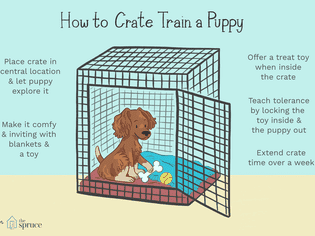
There are a number of reasons to crate train your dog. Most puppies and adult dogs feel more secure in a small, enclosed den-like area, and young pupp

Found in smoothies, salads, and various health foods, kale is considered a superfood for humans, with benefits ranging from improving vision to even w

Most homes contain dangerous chemicals and caustic substances that may be toxic to dogs. Adult humans know better than to come into contact with the m

Kennel cough in dogs is a common and highly contagious upper respiratory infection often caused by Bordetella bacteria or viruses. It causes inflammat
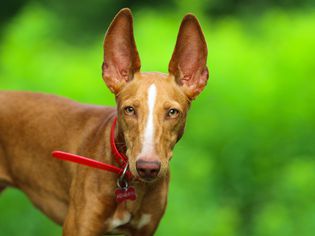
Hailing from Sicily, the Cirneco (pronounced 'cheer-NEK-o') dell'Etna is a good-natured, independent, and athletic sighthound. Their petit
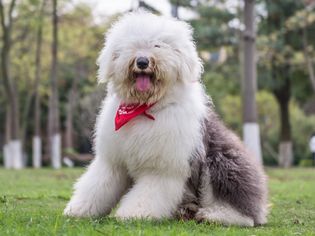
The Old English sheepdog is the original “shaggy dog," a large and athletic breed known for its fluffy coat. Underneath it, however, this affectionate
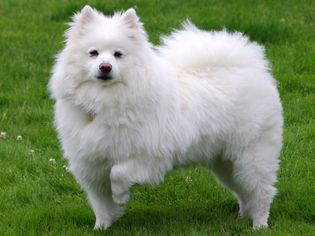
The American Eskimo dog is a chipper white dog that looks a bit like a miniature husky. Despite its name, the dog breed originated in America's Midwes
We are a comprehensive and trusted information platform dedicated to delivering high-quality content across a wide range of topics, including society, technology, business, health, culture, and entertainment.
From breaking news to in-depth reports, we adhere to the principles of accuracy and diverse perspectives, helping readers find clarity and reliability in today’s fast-paced information landscape.
Our goal is to be a dependable source of knowledge for every reader—making information not only accessible but truly trustworthy. Looking ahead, we will continue to enhance our content and services, connecting the world and delivering value.