
How to Stop Sudden Aggression in a Dog
Sudden aggression in your dog can be a scary situation for any pet parent. If your adult dog has been with you for a while, you can usually predict th
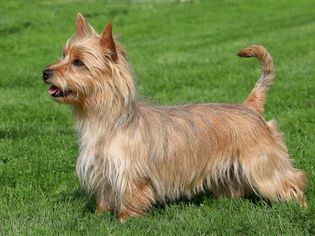
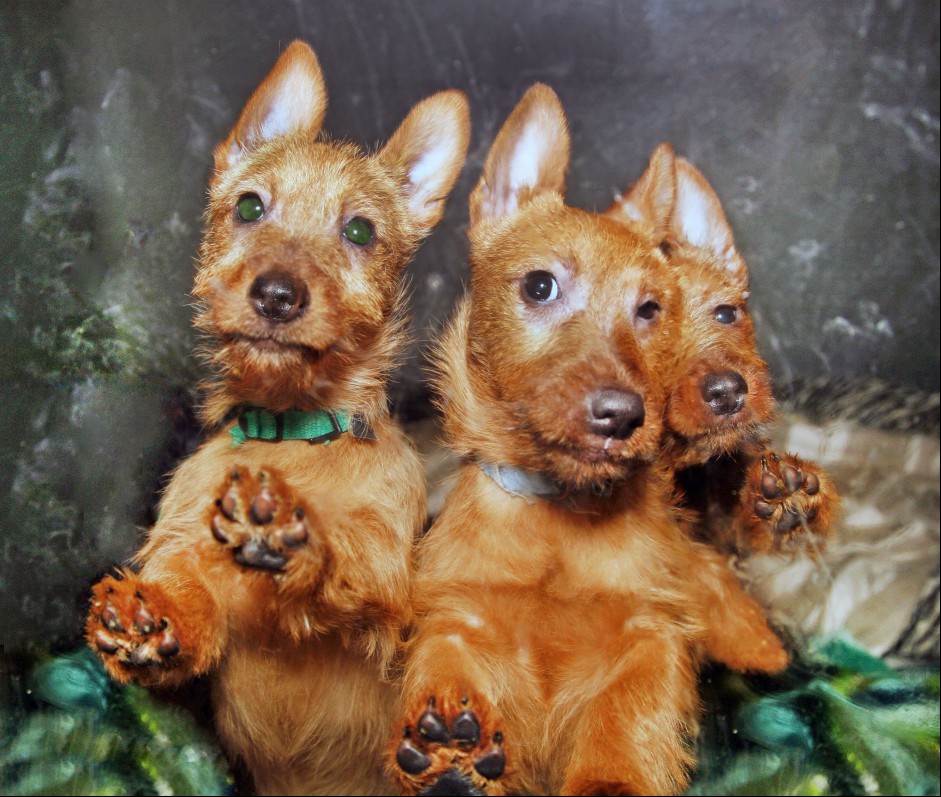
The Australian terrier is a small dog breed from Australia with pointed upright ears, a short frame, and a medium-length double coat with a wiry texture. Also known as Aussie (the same nickname given to the Australian shepherd), this alert, brave, hardy, and determined dog can make a good watchdog. They’re also a loyal companion with an adventurous personality.
Known for being the first native breed to receive recognition in Australia, Australian terriers are the smallest of the working terrier breeds. These dogs may be small, but they're spunky and filled with character. Filled with energy, they can also be mischievous. If you're looking for a new best friend who will keep you entertained, the Australian terrier might be the perfect addition to your family.
Learn more about the Australian terrier, including the breed’s history, care needs, and temperament.
Group: Terrier
Height: 10 to 11 inches
Weight: 15 to 20 pounds
Coat: Medium-length, wiry, waterproof double coat
Coat Color: Blue and tan, red, or sandy
Life Span: 11 to 15 years
Temperament: Spirited, companionable, alert, courageous, affectionate
Hypoallergenic: Yes
Origin: Australia
Australian terriers can adapt equally well to apartment living and farm life or other rural environments. They tend to make great family pets thanks to their playful and lively personalities, and they often enjoy the company of respectful children. These terriers thrive with plenty of company, so they shouldn't be left alone for too long.
This dog does well when they're the only canine in the house, but they can also get along great with other dogs and even cats when introduced carefully. However, since the Australian terrier loves to be the center of attention, they're still likely to become bossy or show guarding traits toward other animals. These dogs aren't suited for every type of family, but for the right person who's dedicated to their care, they can become extremely loyal and affectionate.
| Affection Level | High |
| Friendliness | High |
| Kid-Friendly | High |
| Pet-Friendly | Medium |
| Exercise Needs | Medium |
| Playfulness | High |
| Energy Level | High |
| Trainability | Medium |
| Intelligence | High |
| Tendency to Bark | Medium |
| Amount of Shedding | Low |
The Australian terrier was originally known as the rough coated terrier, but its name was officially changed in 1892. The breed shares ancestry with several similar dogs, including the Cairn terrier, the Dandie Dinmont terrier, and the Yorkshire terrier. Because some Australian terriers have black and tan coats, they're often confused with Yorkies.
These dogs were developed in Australia in the early 19th century after working terriers were brought over by European settlers. These little dogs needed to be able to withstand a variety of weather conditions and terrains. They were primarily bred to be ratters, which these spunky, courageous little canines excelled at. Australian terriers also developed strong bonds with their owners and became popular companion dogs.
While visiting British nobility, American servicemen and other travelers started to export this charming little breed back to the United States in the mid-1900s. In 1960, the Australian Terrier was officially recognized by the American Kennel Club.
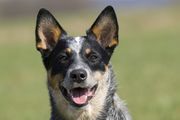
When it comes to exercising, the Australian terrier's small size can be deceiving. This breed isn't suited for life as a lap dog, but rather for staying active and performing a job. Intelligent and eager to learn, these dogs also excel at most training techniques, though they can have a stubborn streak at first. When it comes to grooming, your Australian terrier will do best with routine care and haircuts when needed.
The Australian terrier's working roots mean that this breed likes to be kept busy. These dogs need about 30 to 45 minutes per day of exercise and mental stimulation to prevent problem behaviors from developing as a result of boredom.
They're also expert diggers thanks to their ratting skills, which means that they're likely to find entertainment in garden beds. Thankfully, options like sandpits are a great way to let this dog follow their instincts in a designated area while staying active.
Letting your dog play in a fenced yard is best, as it will prevent them from running off in pursuit of prey. While outside, they should be supervised to ensure they don’t dig their way out of a yard or dig up gardens.
The Australian terrier’s coat colors include blue and tan, sandy, and red. This dog has a low-maintenance grooming regime. Some owners will have their dog's coat hand-stripped, but simply trimming the hair around the eyes is sufficient. Brush this breed at least once per week to keep the fur healthy and tangle-free.
Australian terriers will also need to have their nails trimmed, ears cleaned, and teeth brushed on a regular basis. Like other small breeds, they are prone to dental infections, so it's important to keep up with these needs. Daily teeth brushing is ideal, but even quick weekly brushings will help keep problems at bay.
This smart breed responds well to positive reinforcement training methods, and is often spotted participating in a variety of competitive dog sports. Activities like agility training are a great way to work your dog's mind and body at the same time while strengthening your relationship.
Since Australian terriers can be stubborn and easily distracted, it's best to keep training sessions short and frequent to prevent boredom. Reward your dog with treats, affection, and playtime for desirable behaviors during training.
This terrier's hunting instincts can lead them to chase small pets or become aggressive with animals they're unfamiliar with. This also means that a reliable recall may require extra time and work. Care should be taken with introductions to cats, and socialization with dogs should be early and ongoing to prevent dog aggression.
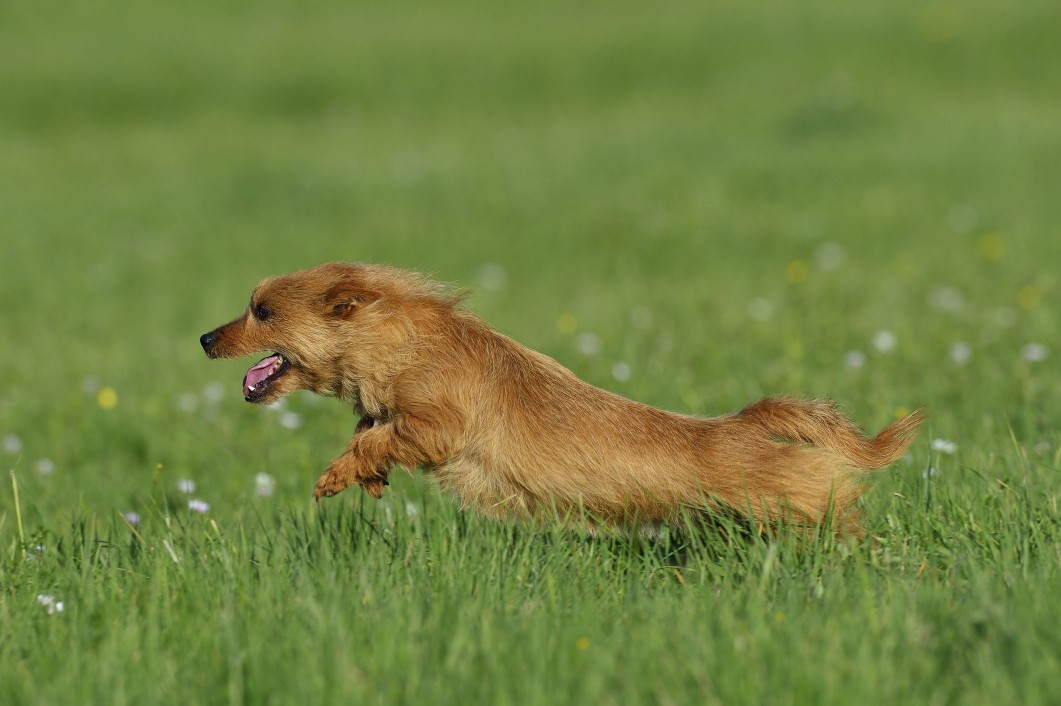
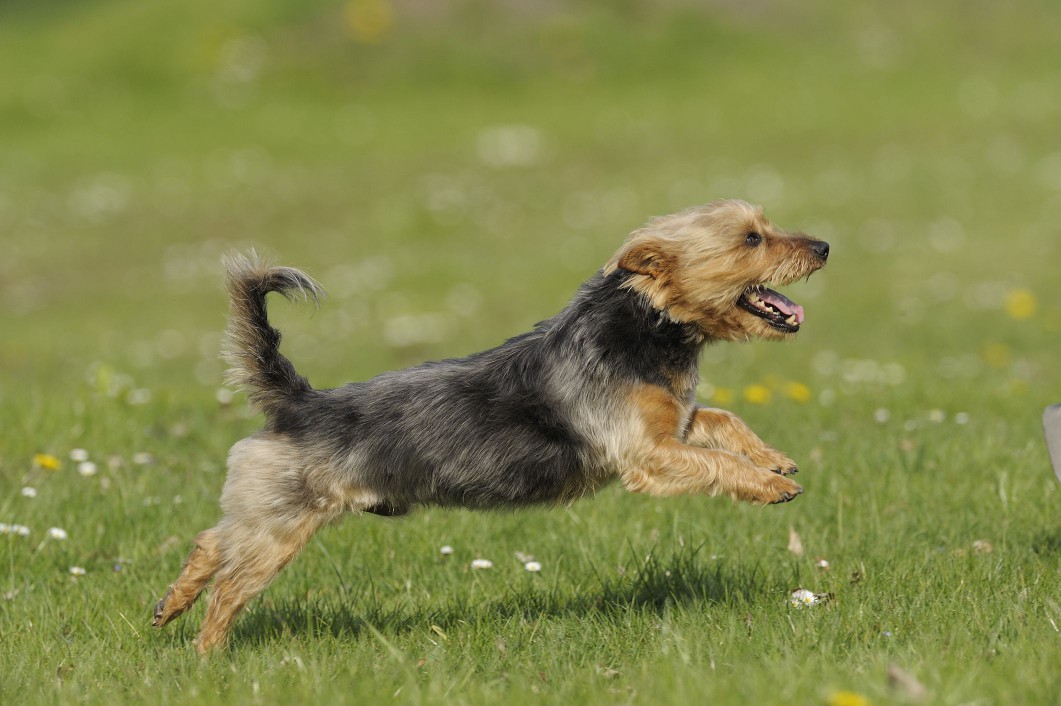
The Australian terrier is known for being robust and healthy, but it's still possible for inherited health conditions to develop. Responsible breeders strive to maintain high standards by performing genetic tests on prospective parents. Always ask your breeder to provide clear test results from any relevant tests for the litter.
Some of the conditions associated with the Australian terrier breed include:
Feed your Australian terrier a diet of high-quality dog food with properly controlled portions. Your dog might need anywhere from 1/2 cup to 1 cup of food daily, split into multiple meals.
These dogs are known for having healthy appetites and, given the chance, can become overweight or obese. Monitor your dog's weight and limit treats to help prevent conditions like diabetes and joint issues from developing or worsening.
If you're unsure about how much food your dog needs or which type of food to choose, consult your veterinarian. They can help you come up with a healthy diet and portion plan based on your specific dog's age, weight, and activity level.
Australian terriers typically cost around $1,200 to $1,500, but pedigreed puppies from a show dog's litter may cost significantly more.
If you think the Australian terrier is right for you, check shelters and breed-specific rescues to find your next best friend. If there aren't any Australian terriers in need of forever homes in your local shelter, many rescues can help you connect with terrier rescues within your region, or they can introduce you to similar terrier breeds that can join your family.
When buying from a breeder, ensure that the breeder of your choice readily provides the litter's medical history. Responsible breeders should also allow you to meet the puppies' parents and let you see that the dogs are raised in a comfortable, safe, indoor location.
The national breed club, breed-specific rescues, and the AKC can help you start your search:
The Australian terrier is a cute little dog who is energetic and great with kids. However, this dog has a prey drive that can make them go after other animals. They also need to be supervised during outdoor playtime to ensure they don’t dig up your garden or manage to escape.
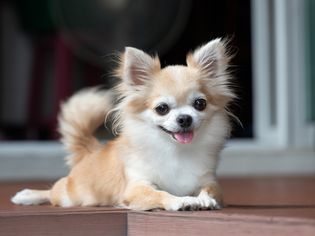
If you love the Australian terrier, you may also like these similar terrier breeds:
There's a whole world of dog breeds out there that can join your family. With a little research, you can find your perfect match!
Australian terriers are loving, playful, and always up for new activities. These dogs do best with active families who can properly socialize them with other animals. They also get along with children who know how to handle them gently.
While the two dogs look alike, Australian terriers and Yorkshire terriers (Yorkies) are separate dog breeds. Australian terriers can also have coat colors other than black and tan, including red and sandy-hued fur.
Australian terriers may bark a lot, especially if they want to always alert you to what they see going on outside your home. You can work on training your dog to bark less.
Sudden aggression in your dog can be a scary situation for any pet parent. If your adult dog has been with you for a while, you can usually predict th
Whether you have an elderly dog or simply a dog with health issues, you are likely concerned about your dog's quality of life. You might be asking you
November was National Adopt a Senior Pet Month, and it was a good reminder that—especially this time of year—it's important to give a little extra
Female dogs and female humans may have some things in common but when it comes to menstrual cycles there are differences. Knowing what to expect with
A female dog in heat will undergo several physical and behavioral changes throughout her heat cycle. Some common behaviors of a female dog in heat inc
Lead is a dangerous substance that if ingested by dogs can cause a variety of serious consequences including anemia, gastrointestinal disorders, letha
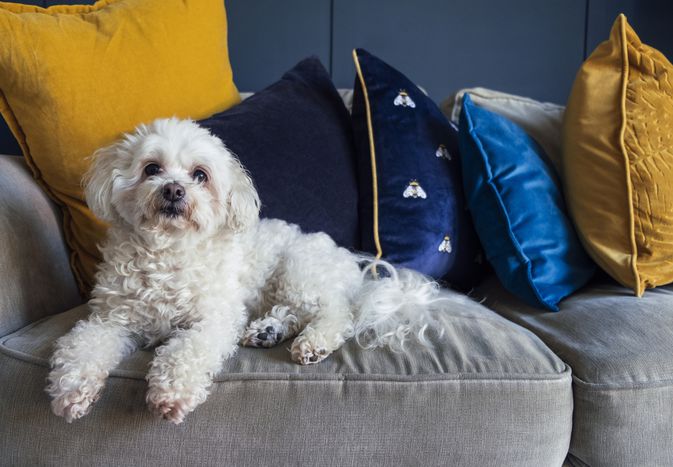
The shih tzu–poodle mix, often referred to as a shih-poo, is a hybrid breed created by crossing the shih tzu with a poodle. The two smaller poodle var
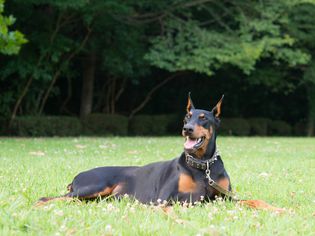
The Doberman pinscher is a medium-large, deep-chested dog breed with a sleek and sturdy appearance. Dobermans (also called "Dobes" or "Dob
We are a comprehensive and trusted information platform dedicated to delivering high-quality content across a wide range of topics, including society, technology, business, health, culture, and entertainment.
From breaking news to in-depth reports, we adhere to the principles of accuracy and diverse perspectives, helping readers find clarity and reliability in today’s fast-paced information landscape.
Our goal is to be a dependable source of knowledge for every reader—making information not only accessible but truly trustworthy. Looking ahead, we will continue to enhance our content and services, connecting the world and delivering value.