
Walking Your Dog: Essential Tips for a Hassle-Free Stroll
Most dogs really love going for walks. It lets them get out of the house with their beloved owners and explore the world around them. Walks are also a

The Cockalier is a small to medium hybrid dog breed developed in the United States by breeding a cocker spaniel (American or English) and a Cavalier King Charles spaniel. Depending on their inherited traits, the cockalier’s coat can be medium to long, wavy to curly, and appear in various color combinations and patterns, such as black, brown, red, ruby, or white in bi-color or tri-color. This crossbreed is known for their loving nature, strong loyalty, and long, floppy ears.
Learn more about the care and characteristics of the cockalier.
GROUP: Hybrid
HEIGHT: 12 to 15.5 inches
WEIGHT: 13 to 30 pounds
COAT: Long, silky; can be curly with feathering around ears, feet, chest, and tail
COAT COLOR: May be tri-color, red and white, ruby, and black and tan or combinations of black, buff, brown, red, silver, and tan with/without roan and merle markings
LIFE SPAN: 10 to 14 years
TEMPERAMENT: Gentle, loyal, companionable, playful, sweet-tempered
HYPOALLERGENIC: No
ORIGIN: United States
Cockaliers are known and beloved for their sweet and cheerful temperament, devotedness to their family, and love for playtime.
“The spaniels just love family life, whether it is in a small apartment, house, farm—anywhere as long as they are part of the family,” says Jacki Fox, co-owner of Charmed Onz Cavaliers. She considers cockaliers to be adaptable and suitable for just about any environment. They also tend to get along well with children and other pets, especially when socialized early on.
Both cocker spaniels and Cavalier King Charles spaniels generally form strong bonds with their families and enjoy the company of their human families and others, Erin Askeland, MSc, CPDT-KA, CBCC-KA at Camp Bow Wow says. Both breeds are described as eager to please, making them responsive to training. Cockaliers may be more sensitive, meaning they’re highly tuned into their environment and people and may react more strongly than others, Askeland notes.
| Affection Level | High |
| Friendliness | High |
| Kid-Friendly | High |
| Pet-Friendly | High |
| Exercise Needs | High |
| Playfulness | Medium |
| Energy Level | Medium |
| Trainability | High |
| Intelligence | High |
| Tendency to Bark | Medium |
| Amount of Shedding | Medium |
Though the histories of the cocker spaniel and Cavalier King Charles spaniel are well-documented, the cockalier’s exact origins are unknown.
As with most hybrid dogs, it’s believed that the two parent breeds were crossbred within the past few decades due to the skyrocketing popularity of “designer” dogs.
The American Kennel Club (AKC) does not recognize the cockalier as an official mixed breed.
As a cross between two spaniel breeds, the cockalier is a naturally energetic and smart dog that requires daily exercise and mental stimulation to be happy and healthy. Their grooming needs will vary depending on their coat type.
Cockaliers need about an hour of moderate exercise daily. Fox recommends taking your canine companion for a good walk 2–3 times a day if possible. You can also let them run in the backyard (as long as it’s fenced in due to their prey drive). While cockaliers aren’t particularly fond of rain, Fox says they absolutely love to play in snow.
A few great ways to exercise with your cockalier include:
Cockaliers enjoy enrichment in the form of:
How often a cockalier needs to be groomed depends on which parent breed’s coat they inherit. For example, the cocker spaniel requires regular grooming and sheds a fair amount, even more so when the seasons change. In contrast, a Cavalier may not need to be groomed as often with the exception of hair trims.
Fox recommends introducing grooming, especially brushing, early on to get your cockalier familiar with the process and help manage shedding and preventing mats and tangles. She trims her cockalier’s nails every few weeks and trims the hair down on the pads of their feet. It’s also important to check and clean their floppy ears regularly and brush their teeth—ideally daily.
“Typically intelligent, affectionate, and eager to please, cockaliers are often straightforward to train,” Askeland says. “Their friendliness makes them wonderful companions, though they may inherit their sensitivity.”
She adds that both Cocker spaniels and Cavalier King Charles spaniels respond best to positive reinforcement. Keeping this in mind, it’s recommended to reward your cockalier with treats, praise, and play for good behavior to encourage learning. Additionally, gentle training should be used due to the sensitive nature of their parent breeds—not only to produce the best results, but to also help maintain the trust and bond with your cockalier, Askeland says.
“Consistency is key in training any dog,” she says. “This is particularly true for cockaliers, who thrive on routine and clear expectations. Be patient and consistent with your cues and rewards to help their understanding.”
It's best to begin training your cockalier as soon as they come home, which will be around 8–14 weeks old. Training at this age range will help them learn how to function in their new environment and can prevent the development of undesirable behaviors, Askeland says. As with all dogs, early socialization is essential to help your cockalier grow into a well-rounded, confident adult.
“Remember, every dog is an individual and there are many aspects that impact behavior including genetics, early socialization, and their ongoing socialization and experiences in the world,” she says. “While certain breeds may be prone to particular behaviors and dispositions, these are general guidelines and not the rule for that breed.”
Like all dog breeds, cockaliers can be prone to hereditary health problems. When considering a cockalier, it's important to be aware of several health issues that may arise due to the genetic predispositions of the two parent breeds, Bethany Hsia, DVM, veterinarian and co-founder of CodaPet says.
Potential health conditions to look out for include:
Cockaliers have specific dietary needs based on their size, activity level, and breed characteristics, Hsia says. Generally, they should be fed two meals a day, and puppies may require 3–4 smaller meals a day due to their high energy needs during growth.
Cockaliers should eat a high-quality commercial dog food with meat listed for the first ingredient and is formulated specifically for small to medium-sized breeds. They may also benefit from diets rich in omega fatty acids for skin health due to their longer coats, Hsia adds.
You can feed kibble, wet food, or combine the two for balanced nutrition depending on your dog's specific needs. They should have access to clean, fresh water at all times.
For specific food and feeding recommendations, it's always best to consult your vet.
If you're considering purchasing a cockalier, it's important to find an ethical and reputable breeder who prioritizes their health and well-being and avoid bad dog breeders and backyard breeders. The price of a cockalier from a reputable breeder may vary depending on factors like breeder reputation, lineage, location, etc.
The cost of adopting a cockalier from a shelter or rescue will also vary. However, adoption fees will be much lower compared to purchasing and can be upwards of a few hundred dollars.
For further information to help you find a cockalier, check out:
It’s always a good idea to check your local shelters and rescues to see if any cockaliers are available and waiting for their forever homes.
Cockaliers are friendly, gentle, and playful bundles of joy that make wonderful family pets. They require daily physical activity and mental stimulation to be at their best. Their overall coat maintenance will depend on whether they inherit their coat from their cocker spaniel or Cavalier parent.
Before bringing home a Cockalier, make sure to do plenty of research to learn whether one is right for you. Talk with Cockalier owners, reputable breeders, rescue groups, and veterinary professionals for more information.
If you’re interested in similar breeds, check out:
There’s a whole world of potential dog breeds out there—with a little research, you can find the right one to bring home!
Yes! Cockaliers are known for being sweet, gentle, and intelligent companions. They tend to get along with children, other dogs, and cats, making them great family pets.
It depends. While the cocker spaniel can bark a lot, the Cavalier isn't known to bark excessively. Depending on the traits they inherit, Cockaliers can learn when barking is appropriate with early, consistent training.
Generally, Cockaliers can live around 10 to 14 years.

Most dogs really love going for walks. It lets them get out of the house with their beloved owners and explore the world around them. Walks are also a
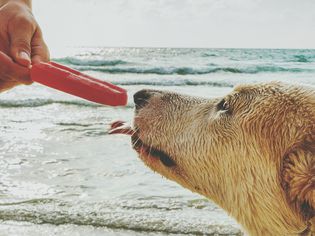
We have all heard the common phrase the dog days of summer, and, sometimes, to beat the heat, popsicles are a great option to keep cool. But is it ok

Pork, bacon, and other pork products are popular human foods that dogs crave. Unfortunately, pork is not the best food for dogs, no matter how much th
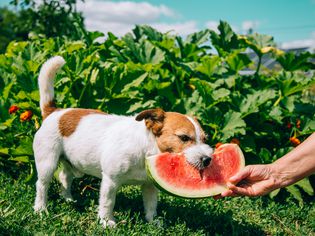
You’re enjoying a hydrating slice of watermelon on a sizzling summer’s day when you notice your dog looking up at you with expectant eyes. Naturally,

Most people are well aware of the dangers of UV exposure and being out in sun too long without proper sun protection, but can dogs get sunburn, too? U

The border collie is a medium-sized dog that is very athletic, highly intelligent, and has loads of energy. They are known for their alert expres

The schapendoes, also known as the Dutch sheepdog, is a medium-size herding dog breed from the Netherlands with a long, thick, slightly wavy double co

The affenpinscher is a small toy dog breed native to Germany with short- to medium-length, wiry fur and a face that many describe as “monkey-like.” In
We are a comprehensive and trusted information platform dedicated to delivering high-quality content across a wide range of topics, including society, technology, business, health, culture, and entertainment.
From breaking news to in-depth reports, we adhere to the principles of accuracy and diverse perspectives, helping readers find clarity and reliability in today’s fast-paced information landscape.
Our goal is to be a dependable source of knowledge for every reader—making information not only accessible but truly trustworthy. Looking ahead, we will continue to enhance our content and services, connecting the world and delivering value.