
Separation Anxiety in Dogs
Separation anxiety in dogs is the distress some dogs feel when they are left alone without their human or other animal companion. It can be a complica

The schapendoes, also known as the Dutch sheepdog, is a medium-size herding dog breed from the Netherlands with a long, thick, slightly wavy double coat that can come in a variety of colors. Overall, the dog has a well-balanced and light build. Its large, round eyes peek out from behind the shaggy fur on its face, which also grows into a mustache and beard. And its downward-hanging ears are fairly small but covered in feathering. The dog’s long tail also has ample feathering. The breed is built for springy movements, which serves it well as a herding dog. And it does best with an active owner.
Group: Herding
Height: 16 to 20 inches
Weight: 26 to 55 pounds
Coat: Long double coat
Coat Color: Beige, black, black and white, brown, gray, gray and white, white, chocolate and white, or tricolored
Life Span: 12 to 15 years
Temperament: Affectionate, bright, attentive
Hypoallergenic: No
Origin: Netherlands
The schapendoes generally has a friendly and upbeat personality. The breed tends to be very devoted to its family, though it can be slightly reserved around strangers. High energy and a playful nature also help to shape the breed's temperament.
| Affection Level | High |
| Friendliness | Medium |
| Kid-Friendly | Medium |
| Pet-Friendly | High |
| Exercise Needs | High |
| Playfulness | High |
| Energy Level | High |
| Trainability | High |
| Intelligence | High |
| Tendency to Bark | Medium |
| Amount of Shedding | Medium |
The origin of the schapendoes is unclear. The breed is thought to have existed throughout the Netherlands for centuries. It’s likely related to similar breeds, including the bearded collie, puli, Briard, Polish lowland sheepdog, and Bergamasco.
Schapendoezen have been valuable companions for shepherds in the Netherlands due to their strong work ethic and high intelligence. Plus, they were friendly and devoted family companions. The breed nearly disappeared around the time of World War II, but the remaining dogs were gathered to keep it alive.
The schapendoes breed club in the Netherlands was founded in 1947, and shortly thereafter breeding began to be logged. In 2005, the American Kennel Club admitted the schapendoes to its Foundation Stock Service, which also helps to document breeding. And the breed received the Herding group designation. It still remains rare around the world today.
Plan to give your schapendoes lots of daily exercise. Plus, this breed's grooming needs are fairly straightforward, though they do require some dedication. Fortunately, it typically takes well to training.
Aim to give your schapendoes at least two hours of exercise per day to keep it happy and healthy. Long walks, running, cycling, hiking, and vigorous games of fetch all are ideal activities. This breed also can excel in dog sports, including agility and herding trials, which will help to challenge it physically and mentally. Some dogs that don’t receive enough exercise might become overly vocal or destructive in the house, so it’s important to have enough time for this energetic breed.
Brush your dog at least one to two times per week to remove loose fur and prevent tangles and mats. This breed’s thick coat is prone to matting, especially in the areas with feathering. So thorough grooming is a necessity. Also, expect periods of higher shedding seasonally as the weather changes, during which you’ll likely have to brush more frequently to keep up with the loose fur.
Bathe your schapendoes roughly once a month, depending on how dirty it gets. But see whether its ears need cleaning at least weekly. Also, see whether it needs a nail trim about every month, and attempt to brush its teeth every day.
This breed is known to be eager to please, so training is typically an easy process. Begin both training and socialization from a young age to prevent any bad habits from forming. A puppy class can be ideal both to teach basic obedience and manners. Always use positive-reinforcement training methods, such as praise and treats. And keep training sessions fun and varied to hold this intelligent dog’s attention.
Furthermore, to help quell the breed’s reserved nature around strangers, aim to expose your dog to different people and various locations starting when it’s a puppy. Having lots of positive experiences can help with a dog’s social skills.
The schapendoes is a healthy dog breed overall. It is not prone to any known hereditary health issues. However, any dog might be affected by common health problems related to aging, such as arthritis.
Always have fresh water available for your dog. And feed your schapendoes a high-quality canine diet with balanced nutrition. It’s typical to feed two measured meals per day to ensure that your dog gets the right amount. Be sure to discuss both the type of food and the quantity with your vet, as individual needs can vary based on age, activity level, and other factors.
The schapendoes is a rare breed, but that doesn't mean it's impossible to find. Check local animal shelters and rescue groups, and see whether you can get your name on a breed wait list. Breeders also might be difficult to come by depending on where you live, and you might have to wait some time for a dog to be available. Expect to pay around $1,000 to $1,500 on average for a puppy from a reputable breeder.
For more information to help you find a schapendoes, check out:
Happy and friendly
Eager to please
Highly intelligent and trainable
Requires a lot of daily exercise
Coat can mat without regular brushing
Rare breed and difficult to find
Before you decide on a schapendoes, be sure to do your homework. You can connect with other schapendoes owners, reputable breeders, and rescue groups to learn more about the breed and determine whether it's the right fit for your lifestyle.
If you’re interested in similar breeds, check out:
There’s a whole world of potential dog breeds out there—with a little research, you can find the right one to bring home!
Schapendoezen are moderately tolerant of kids in general. They can be good with respectful older children. But they might be too energetic for young kids, whom they also might want to herd.
Schapendoezen are typically very friendly dogs, though they can be somewhat reserved around strangers. But as long as they have proper training and socialization, aggression is rare.
Schapendoezen are generally adaptable to different living situations. However, they do require lots of exercise and mental stimulation. So they might not be fit for apartment living unless you can get them outside enough every day—and ideally let them run freely in a secure area—to burn their energy.

Separation anxiety in dogs is the distress some dogs feel when they are left alone without their human or other animal companion. It can be a complica

Dog parks can be a lot of fun for dogs. They get a chance to run and play off-leash with other dogs. However, dog parks can be an accident waiting to
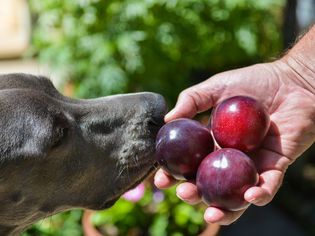
Can dogs eat plums? Pet parents who would like to share the occasional fruit with their dog may find themselves asking this question. The answer is ye

A persistent itch can make you absolutely miserable, whether from dry skin, a bug bite, or a rash. It's hard to focus on anything else, and while scra

Ascites in dogs is an abnormal buildup of abdominal fluid that occurs as a result of an underlying disease. Several health conditions can cause ascite

These intelligent canines are known for their jobs as police assistants, search and rescue pups, contraband sniffers, service dogs and more.

The Bohemian shepherd, also known as the Chodský Pes, is a medium dog breed originally from the Czech Republic. While similar in appearance to the Ger
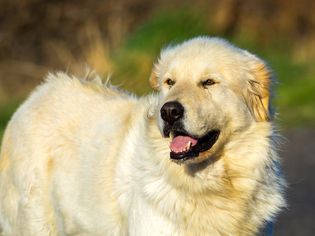
The Great Pyrenees was historically used as a flock guardian, watching over and protecting sheep from any threats, including theft and predators. The
We are a comprehensive and trusted information platform dedicated to delivering high-quality content across a wide range of topics, including society, technology, business, health, culture, and entertainment.
From breaking news to in-depth reports, we adhere to the principles of accuracy and diverse perspectives, helping readers find clarity and reliability in today’s fast-paced information landscape.
Our goal is to be a dependable source of knowledge for every reader—making information not only accessible but truly trustworthy. Looking ahead, we will continue to enhance our content and services, connecting the world and delivering value.