
10 Common Dog Behavior Problems and Solutions
Dog behavior problems are often misunderstood or mishandled by dog owners. Perhaps you are new to dog ownership, considering getting a dog, or just wi

Most people are well aware of the dangers of UV exposure and being out in sun too long without proper sun protection, but can dogs get sunburn, too? Unfortunately dogs can get sunburns, and those sunburns could potentially lead to other skin damage and even skin cancer. Here's how to know if your dog might be at risk and how to protect them from the sun.
Yes, dogs can get sunburn, and some breeds are more susceptible than others. Dogs can be at risk of not only sunburn but also skin damage that can be a predisposition to skin cancer. Melanoma, a specific type of skin cancer in people, has long been linked to sun damage in people. While a link between melanomas in dogs and sun exposure in dogs is less clear, that doesn’t mean sun exposure can’t lead to other cancers in dogs. In fact, studies have shown a potential link between sun damage and squamous cell carcinoma in dogs.
If you think about steps you can take to prevent sun damage to your skin, long sleeves and hats may come to mind. The damaging UV light from the sun can’t get through these fabric layers. Similarly, a dog’s fur coat can protect them from the sun. Dogs with thinner coats, especially if they’re lighter in color, and hairless dogs are much more susceptible to sunburn, including:
Thicker coated dogs, especially those with a double coat, may be less prone to sunburn. The thick fur acts like long sleeves and a hat and is a barrier for the UV rays. It is possible for dogs with thicker coats to become more susceptible to sunburn if they develop thin coats or hair loss. Hair loss or alopecia from endocrine disorders, such as hypothyroidism or Cushing’s disease, can increase a dog’s risk for sunburn.
Sunburns are not just painful and uncomfortable but can potentially lead to cancer. Keep your dog’s skin protection routine in mind when planning outdoor activities when the sun is out. If your dog is at high-risk for sunburn, avoid outdoor activities between 11 am and 4 pm, when UV rays are strongest.
If your dog is hairless, the easiest way to protect their skin would be to use a dog-specific sunscreen. Human sunscreens could include potentially dangerous ingredients for dogs such as salicylates and zinc oxide. When ingested, salicylates may cause a respiratory alkalosis, a metabolic acidosis, liver enzyme elevations, hyperthermia, or even seizures. Zinc oxide ingestion may cause vomiting or allergic reactions.
When applying sunscreen, be sure to get areas that may burn more quickly than others, including the bridge of the nose, tips of the ears, and anywhere else the skin pigment is lighter. Apply the sunscreen about 20 minutes before actually going outside. Monitor your dog so they don't lick the sunscreen off before it has a chance to soak in. Keep them occupied and prevent them from licking with a puzzle toy or training practice.
If your dog isn’t necessarily hairless but has a light and thin enough fur coat that they may still burn, sunscreen might not be the best way to protect them. Instead, utilize clothing. There are coats, shirts, hats, and even goggles that can protect your dog from the sun.
Just like sunburn prevention, sunburn treatment in dogs is incredibly similar to sunburn treatment in people. If you’re out in the sun and notice your dog turning a little more pink than their normal skin tone, bring them inside or under shade as soon as you can. A cool compress may alleviate any immediate discomfort, and aloe vera gel can help soothe a burn as it heals. Use aloe sparingly, though, and be vigilant that your dog doesn’t ingest any. Aloe vera, while a soothing salve for burns, may cause vomiting or diarrhea in dogs if ingested.
If your dog has a severe burn that isn’t healing properly, they may need the aid of antibiotics for any secondary infections. Seek veterinary attention if your dog’s sunburn is severe or if it’s not getting any better.
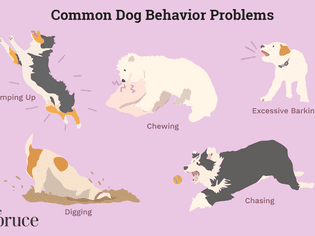
Dog behavior problems are often misunderstood or mishandled by dog owners. Perhaps you are new to dog ownership, considering getting a dog, or just wi

Most dogs really love going for walks. It lets them get out of the house with their beloved owners and explore the world around them. Walks are also a
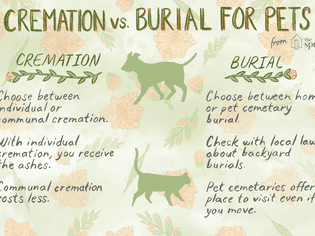
It's so difficult to say goodbye to a beloved pet. The care of your pet's remains after death is one of the last things you wish to think about while

Hip dysplasia is a fairly common orthopedic problem in dogs that affects the stability and function of the hip joint. It is caused by abnormal growth

Maltipoos are the result of a cross between the Maltese and miniature or toy poodle. These small pups have a medium-to-long, wavy, or curly coat that'
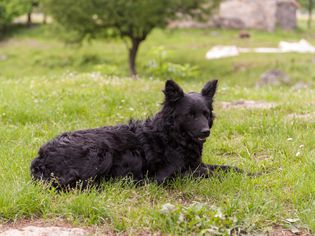
The Croatian sheepdog is an ancient herding breed that has retained many of its original characteristics, like a stocky build, lively temperament, and

Best-known for their short statures, goofy grins, and bat-like ears, French bulldogs are a massively popular breed in the United States. In fact, Fren

The Cavapoo is a hybrid, or designer breed that is a mix of the Cavalier King Charles spaniel and the toy poodle. Sometimes called a Ca
We are a comprehensive and trusted information platform dedicated to delivering high-quality content across a wide range of topics, including society, technology, business, health, culture, and entertainment.
From breaking news to in-depth reports, we adhere to the principles of accuracy and diverse perspectives, helping readers find clarity and reliability in today’s fast-paced information landscape.
Our goal is to be a dependable source of knowledge for every reader—making information not only accessible but truly trustworthy. Looking ahead, we will continue to enhance our content and services, connecting the world and delivering value.