
How to Train Your Puppy to Go on Potty Pads
Using potty pads (also called puppy pads, or pee pads) is one way to help teach your puppy where it is appropriate to use the bathroom. Of course, thi

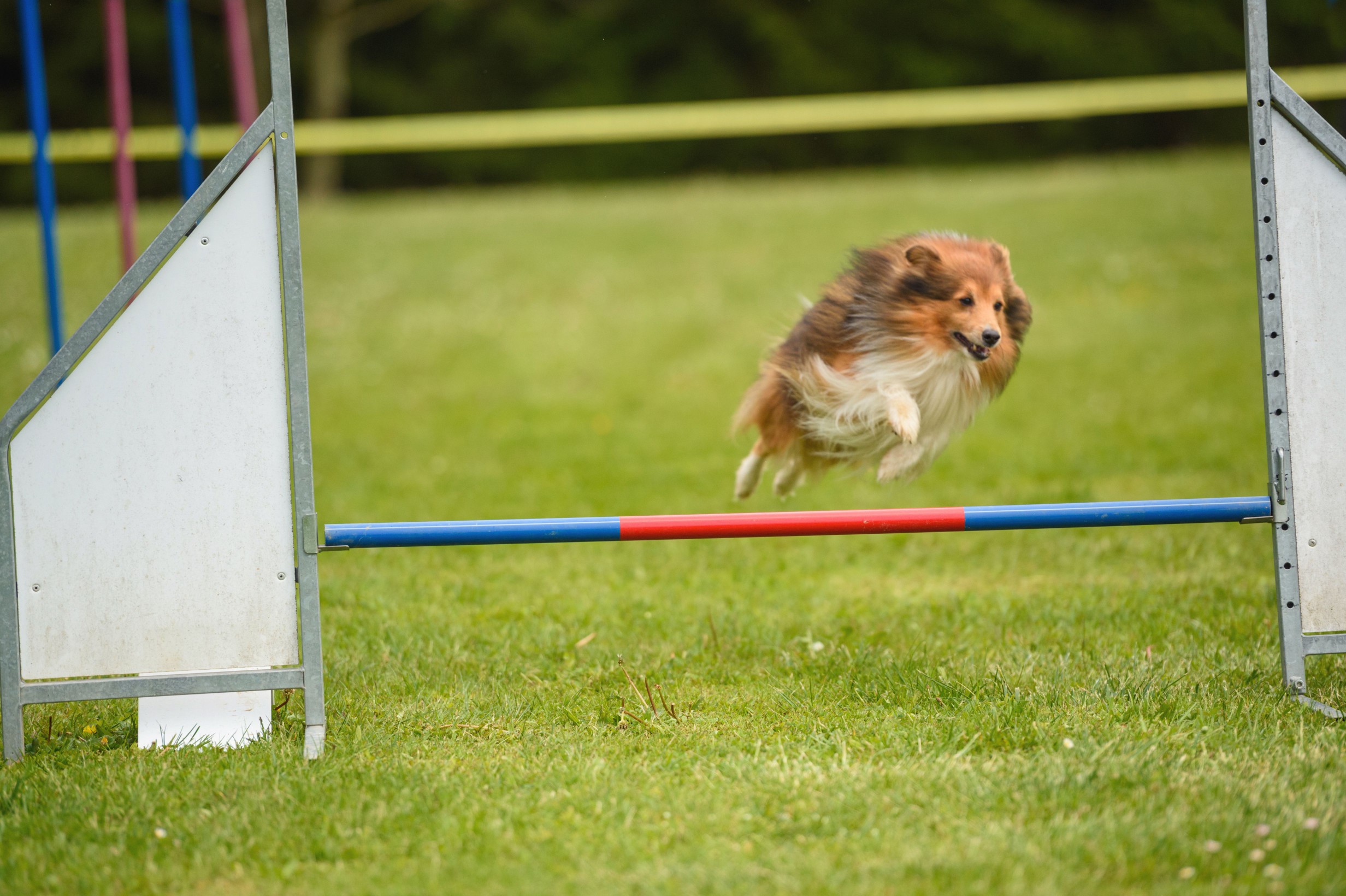
The Shetland sheepdog, or Sheltie, is a small herding dog breed from Scotland with a long, straight, thick coat that comes in a variety of shades. Shelties look like a miniature version of the rough collie. They have upright ears that slightly bend over, an alert expression, a low tail, and an agile build. Bred to herd livestock, Shelties are quite intelligent and athletic. They also can be very loving and loyal companions.
Group: Herding
Height: 13 to 16 inches
Weight: 15 to 25 pounds
Coat: Long double coat
Coat Color: Black and white; black, white, and tan; blue merle and white; blue merle, white, and tan; sable and white; or sable, merle, and tan
Life Span: 12 to 14 years
Temperament: Energetic, intelligent, playful
Hypoallergenic: No
Origin: Scotland
Shelties generally have a bright and alert temperament. They tend to be quite in tune with their surroundings. A high energy level and love of play also help to shape their personality. They enjoy being active with their family but can be wary of strangers.
| Affection Level | High |
| Friendliness | Medium |
| Kid-Friendly | High |
| Pet-Friendly | High |
| Exercise Needs | High |
| Playfulness | High |
| Energy Level | High |
| Trainability | High |
| Intelligence | High |
| Tendency to Bark | High |
| Amount of Shedding | Medium |
Although these dogs might remind you of the famous TV collie, Lassie, the Shetland sheepdog is not actually a direct descendant of the collie—unlike some miniaturized versions of larger breeds. Instead, it is more closely related to the Scottish collie and King Charles spaniel.
The actual origin of the Sheltie is unclear. But it’s likely that local dogs of Scotland's Shetland Islands were mixed with collies and other dogs that arrived from the mainland. The result was a dog with a thick coat that could withstand the harsh climate. And its small size was a valued trait because that meant it ate less than larger herding dogs.
Shelties started to gain popularity outside of their native home in the early 20th century. They were first called the Shetland collie. But after disagreement from collie breeders, they were rebranded as Shetland sheepdogs. The Kennel Club of England first recognized the breed in 1909, followed by the American Kennel Club in 1911.
Plan on lots of exercise and mental stimulation for a Sheltie. Also, expect to spend some time each week grooming its long coat. Aim to start training and socialization from an early age.
Shelties should receive at least one to two hours per day of exercise. Long walks, jogging, hiking, and active games of fetch all are ideal ways to help them burn energy. And puzzle toys can challenge their intelligent minds. Shelties also excel in dog sports, including agility and herding. They take well to training as therapy and service dogs.
Just be aware that their herding instinct can cause them to chase moving objects, including cars. It’s best to keep them on leash outside or in a securely fenced area.
Brush your Sheltie’s long, thick coat at least a few times a week to remove loose fur and prevent mats. Pay special attention to the fur around the legs and tail, as well as behind the ears, as it can easily get matted. Expect periods of higher shedding seasonally, often in the spring and fall. Increase how often you brush to keep up with the loose fur. Avoid shaving a Sheltie’s coat, as the fur insulates the dog from both hot and cold weather and protects it from sunburn.
Plan on a bath roughly once every one to two months, depending on how dirty your dog gets. Check your dog’s nails every month or so to see whether they need a trim. And look in its ears at least weekly for wax buildup, debris, and irritation. Also, try to brush your dog’s teeth every day.
Start training and socializing your Sheltie ideally when it’s a puppy. Shelties generally are very smart and eager to please, making them adept at obedience training. Always use positive training methods. Shelties can be sensitive to your tone, and harsh corrections can cause them to shut down.
Aim to provide your Sheltie with positive experiences around different people and other dogs. This can help to diffuse the breed’s natural wariness of strangers. Also, work on teaching this vocal breed to stop barking on command. Shelties not only tend to bark at perceived threats but also to express their emotions and even out of boredom. So teaching them a “quiet” command is a must.
The Shetland sheepdog overall is a healthy breed. But it is still prone to some hereditary health issues, including:
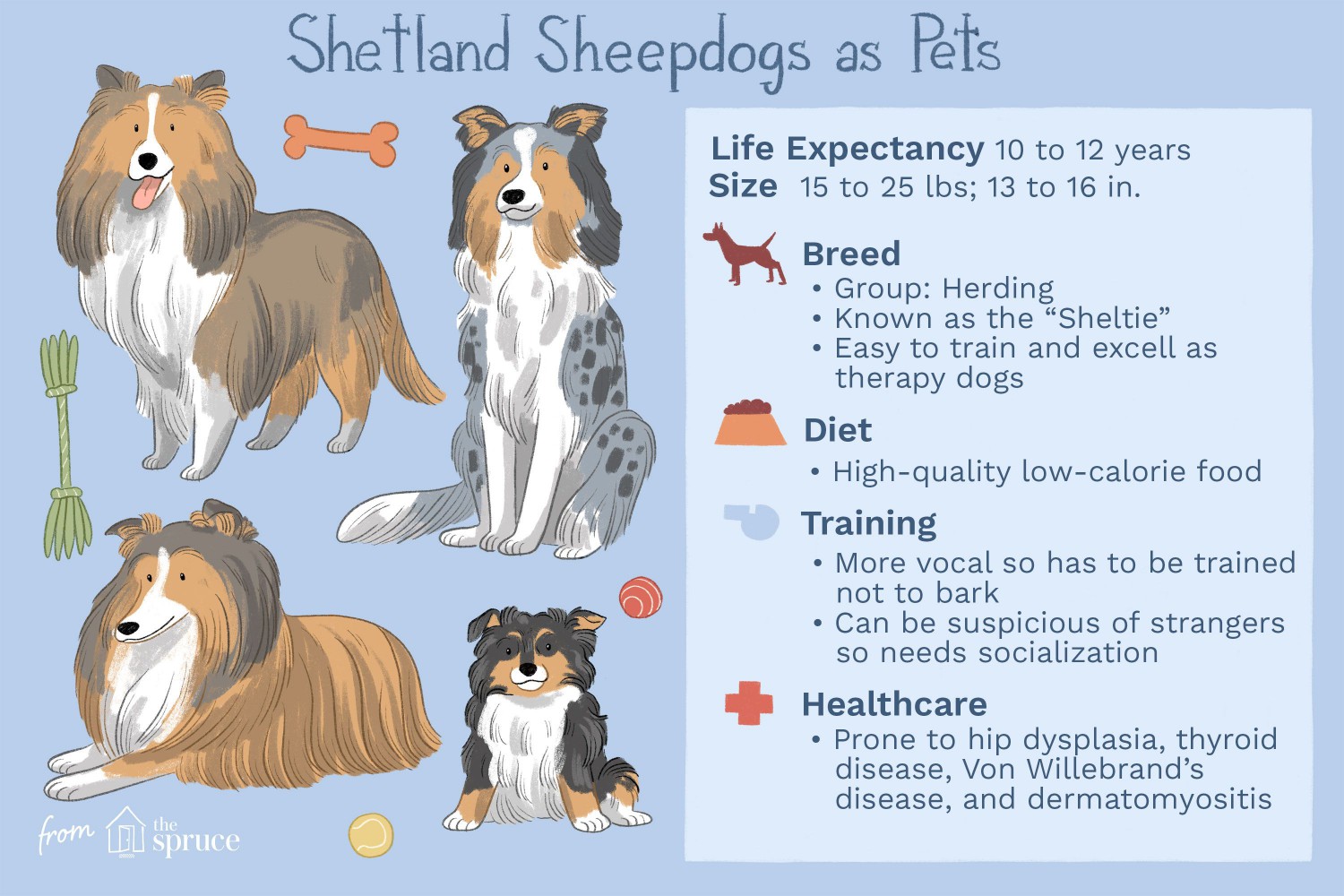
The Spruce / Kelly Miller
Always provide your Sheltie with fresh water. And feed a quality, nutritionally balanced canine diet. It’s common to feed two measured meals per day. Be sure to discuss both the type of food and amount with your vet. For instance, your vet might recommend different diets based on age and/or activity level. Also, be mindful of treats and other extra food to prevent overeating.
Shelties are a fairly popular dog breed, so you might be able to find a dog in need of a home at an animal shelter or rescue group. Ask to get your name on a breed wait list if possible. If you’re looking for a puppy from a reputable breeder, expect to pay around $850 to $2,000 on average.
For further information to help you find a Sheltie, check out:
Intelligent and easy to train
Good for active owners
Generally friendly and affectionate
Likes to chase things, including cars
Needs regular grooming to prevent matting
Can be very vocal
Before bringing home a Sheltie, do thorough research to make sure the breed is right for your lifestyle. Talk to Sheltie owners, rescue groups, reputable breeders, and veterinary professionals to learn more.
If you're interested in similar breeds, check out:
There’s a whole world of potential dog breeds out there—with a little research, you can find the right one to bring home!
Well-trained and socialized Shelties often do well with children. The breed is known for being patient and gentle with kids, though dogs should always be supervised around young children.
Shelties sometimes are reserved around strangers and might bark at them. However, the breed generally is not aggressive as long as the dog has proper training and socialization.
Shelties generally can adapt to a variety of lifestyles, including apartment and city living. However, it’s essential that they get enough daily exercise and mental stimulation. Also, their vocal nature might bother nearby neighbors.

Using potty pads (also called puppy pads, or pee pads) is one way to help teach your puppy where it is appropriate to use the bathroom. Of course, thi

It isn't a big mystery as to whether turkey is safe for dogs to eat or not. Spoiler alert: Turkey is not only safe, but it's a commonly used p

November was National Adopt a Senior Pet Month, and it was a good reminder that—especially this time of year—it's important to give a little extra

The cockapoo is a cross between a cocker spaniel and a poodle developed in the 1960s. This lovable, small to medium-sized crossbreed has curly locks t

The Australian kelpie is a medium-sized herding dog breed from the Land Down Under. They're known for their athletic bodies and energetic personalitie
The poodle is an extremely smart, energetic, and friendly dog known for their signature curly coat and three size varieties: toy, miniature, and stand
The Cavapoo is a hybrid, or designer breed that is a mix of the Cavalier King Charles spaniel and the toy poodle. Sometimes called a Ca
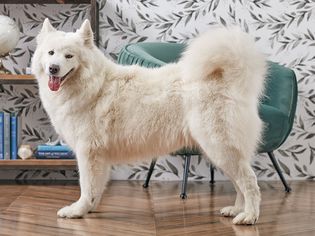
The Samoyed is a large Siberian working breed with pointed ears, a thick double coat, and a classic spitz tail that curls over the back. Often referre
We are a comprehensive and trusted information platform dedicated to delivering high-quality content across a wide range of topics, including society, technology, business, health, culture, and entertainment.
From breaking news to in-depth reports, we adhere to the principles of accuracy and diverse perspectives, helping readers find clarity and reliability in today’s fast-paced information landscape.
Our goal is to be a dependable source of knowledge for every reader—making information not only accessible but truly trustworthy. Looking ahead, we will continue to enhance our content and services, connecting the world and delivering value.