
How to Solve Your Dog's Fear of Car Rides
How does your dog feel about riding in your car? If it has no fear and loves a road trip, chances are it will jump right in. On the other hand, if it&

Rectal prolapse can occur in any breed of dog, as well as most other mammals, regardless of sex or age. As the name implies, this condition involves the rectum, which protrudes from the anal opening. Initially, the prolapse might happen only while your dog is passing stool, but over time, the relapse can become severe enough to remain constantly protruding from the anus. Not only is this uncomfortable for your dog, it's also very serious, as left untreated, a rectal prolapse in dogs can prevent them from being able to pass any stool, which ultimately can cause severe illness or even death.
Rectal prolapse doesn't occur on its own, but is caused by another problem, so the underlying issue will need to be addressed in order to treat the prolapse and prevent recurrence. Knowing how to recognize this condition and what steps to take in treating it can help prevent even bigger problems from developing.Luckily, with treatment, most dogs recover fully.
Rectal prolapse is a condition in which the last part of a dog's intestinal tract—the rectum—protrudes from the anal opening. The rectal tissues turn inside out and appear as a cylinder or tube of pink tissue sticking out of the dog's anus. In an incomplete prolapse, only the mucus membrane surrounding the rectum emerges from the anus, while in a complete prolapse, all layers of the rectum are prolapsed. The condition more commonly occurs in farm animals such as pigs, cows, and sheep but is also seen in dogs.
Dogs with rectal prolapse have an obvious fleshy, tubular mass protruding from the rectal opening. Feces are normally the only thing that comes from this opening, so a pink or red mass is hard to miss. With an incomplete prolapse, you might only see the protruding tissue while your dog is straining to defecate, followed by the prolapse returning to its normal position once the dog is finished. With a complete prolapse, however, the tissue will remain protruded from the anus even after your dog finishes defecating. Your dog may scoot its hind end if it has a rectal prolapse, and if this tissue tears or gets too inflamed and irritated, blood may also be seen.
A rectal prolapse is alarming to see and hard to miss. You'll observe a pink or red bulge or tube of flesh protruding from your dog's anus either as it passes stool, or constantly if the prolapse is severe enough. Along with the visible prolapse, you'll likely see signs of discomfort. Most dogs will drag their hind quarters along the ground in an attempt to relieve the pain, and there may be blood if the tissues are highly irritated or torn. Usually, your dog will strain to pass stool, remaining in the hunched position for a long time and appearing distressed or uncomfortable. If the prolapse is very severe, stool might not be able to pass at all.
There are several reasons why a dog can develop a rectal prolapse, but one of the most common reasons is straining to defecate. You'll see your dog in the classic hunched pose, attempting
unsuccessfully to defecate, or taking longer than usual to pass stool. Straining can occur because of diarrhea, constipation, or in an attempt to pass a foreign object.
Due to its distinctive appearance, a rectal prolapse is easy for you or your veterinarian to diagnose. However, your veterinarian will perform a thorough physical examination of your dog, including a manual rectal exam, stool tests to determine if parasites are present, blood tests to help rule out systemic infections, and possibly ultrasound or x-rays of the abdomen to look for obstructions, masses, or other health issues.
A rectal prolapse requires prompt veterinary care. However, you can take steps to ward off further damage by keeping the tissue moist until you reach the vet's office. Water, saline, petroleum jelly, or water-based lubricating jelly applied with a clean cloth held over the prolapse can be used to prevent the tissue from drying out until it can be treated by your veterinarian.
Surgical replacement of the prolapse may be done while your dog is under anesthesia. Often, the veterinarian will apply medications to the prolapse to help reduce the swelling before gently pushing it back into its proper position. Typically, sutures will hold the rectum in place temporarily while it heals. If the tissue has been severely damaged, however, then surgical removal of this part of the intestinal tract will be necessary. Your dog will be sent home with antibiotics, pain medications, and an e-collar to prevent chewing or licking of the surgical site as it heals.
In order to successfully and permanently treat a rectal prolapse in a dog though, the underlying cause of the condition needs to be addressed. Diarrhea may need treatment with antidiarrheals, probiotics, antibiotics, and even antiparasitics if it is due to intestinal parasites. Dietary changes may be required to treat constipation, such as adding more fiber to the dog's diet. Foreign bodies may require removal via surgery if they are unable to be passed in the stool, and a caesarean section may need to be performed if a dog in labor is unable to give birth naturally. Cancer of the rectum or colon usually requires surgical resection or steroids to manage, and prostate disease will most likely require a dog to be neutered.
Fortunately, with prompt treatment most dogs will recover fully from a rectal prolapse. If steps are taken to remedy the cause of the condition, it's unlikely the dog will experience another prolapse. However, if the prolapse is left untreated, your dog could become unable to pass stool, which is a medical emergency that can lead to death.
The best way to prevent a rectal prolapse from occurring in your dog is to prevent it from straining to defecate. Diarrhea, constipation, parasites, and other causes of straining may need medications, special diets, or supplements as treatments. The sooner the straining is addressed, the less likely it is for a rectal prolapse to occur.
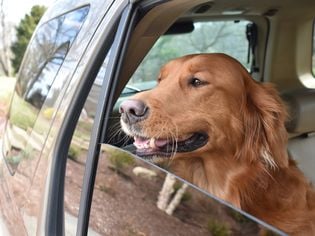
How does your dog feel about riding in your car? If it has no fear and loves a road trip, chances are it will jump right in. On the other hand, if it&
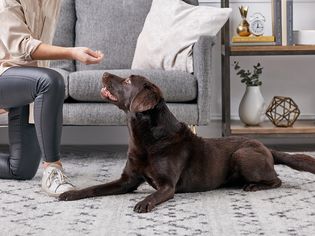
Labrador retrievers regularly top the list of most popular dog breeds. These smart, social dogs are known for their amiable temperaments and their pat
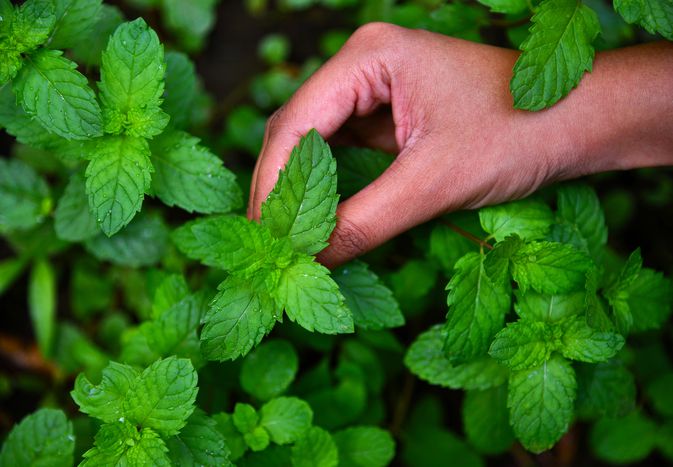
Many pet owners are regularly searching for alternatives to pharmaceuticals and insecticides, so more natural remedies like essential oils are commonl

Iron poisoning is a relatively uncommon occurrence in dogs, but it should be taken seriously because it can lead to severe complications and even deat
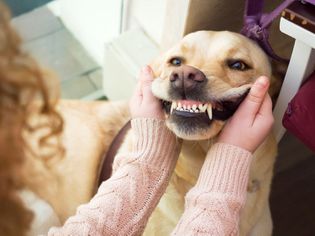
Just like people, dogs need regular dental care, but unfortunately, dental hygiene for dogs is sometimes overlooked. Many people seem to just expect d
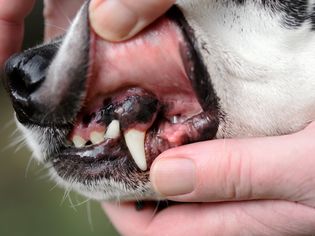
A solid indicator of your dog's health is the color of his gums. Healthy dog gums are powdery pink in color. When this color and other normal gum
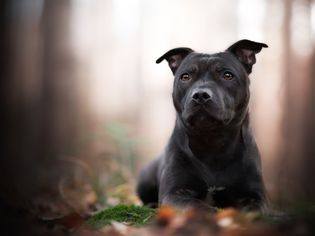
The Staffordshire bull terrier, also called the Stafford, Staffy, or Staffie, is a medium-sized dog of somewhat short stature with a muscular, athleti
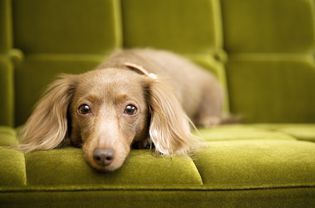
Athletic dogs are fun, but they aren’t for everyone. Owning one can be hard work—they require plenty of exercise and entertainment to be healthy and h
We are a comprehensive and trusted information platform dedicated to delivering high-quality content across a wide range of topics, including society, technology, business, health, culture, and entertainment.
From breaking news to in-depth reports, we adhere to the principles of accuracy and diverse perspectives, helping readers find clarity and reliability in today’s fast-paced information landscape.
Our goal is to be a dependable source of knowledge for every reader—making information not only accessible but truly trustworthy. Looking ahead, we will continue to enhance our content and services, connecting the world and delivering value.