
Top 10 Tips for Childproofing a Dog
Dogs and children can be a great combination if your dog has learned how to behave around kids. Some dogs love children and seem to naturally know how
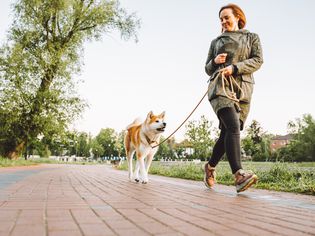
Your dog may be your best friend, but even if your dog is very friendly, there are people out there who may be afraid of it. In fact, it’s estimated that 1 in 3 adults with an animal-related phobia suffer from cynophobia, which is the fear of dogs. What should you do if you and your dog encounter such a person? Are there things you can do to make this person more comfortable in the presence of your dog?
Most often, proper etiquette with your dog in public spaces is a good place to start when determining how to handle your dog around people that are afraid of it. There are several things that can be courteous for dog owners to do when in public with their dog.
Keep Your Dog Leashed. Even if your dog has a spot-on recall (they come to you when called), when you are in public settings it’s polite to keep your dog leashed and well-controlled on the leash. Choose a leash that is sturdy, durable, and not retractable. A dog that is allowed to run, uninhibited, to the extent of a retractable leash toward a stranger is not well-controlled. In fact, it’s actually quite difficult to properly control a dog on a retractable leash. This is because, despite what the name would imply, retractable leashes don’t readily retract unless the dog comes toward the leash holder. For this reason, the handler may find themselves pulling on the leash to reel the dog in, which is stressful for the dog, the handler, and the person the dog might be running toward. If your dog has a 100% reliable recall and is used to having room to roam, there are long leads that can allow them some semblance of freedom.
Don’t Assume That Everyone Wants to Meet Your Dog. Even if your dog loves to meet everyone and is great with people, not everyone (and not every dog) may want to meet your dog. It is always best to err on the side of caution. Assume that other people and pets want their space, and don’t force an introduction on anyone. If someone asks if they can say hello to your dog or if their pet can say hello to your dog, then you can allow your dog to greet them.
Utilize Specific Cues and/or Redirection. If you encounter a person with a dog phobia on a walk, you can use obedience commands, or cues, your dog should know. Cue your dog to sit and watch you while the person walks past you. If there’s another way to get to where you are going, or if your dog is reactive or excitable and doesn’t yet have a reliable "sit and watch," you can redirect your dog to walk in the other direction.
Bring Training Treats. Many dog trainers will tell you that you can train your dog any time of day and in private or public settings. In fact, public areas are great ways to train your dog. Most settings in which a "sit and watch" or a "leave it" cue will come in handy are public, loud, crowded places. Come prepared with training treats and even your clicker, if your dog is clicker trained, to reinforce and reward your dog when they behave appropriately in public.
It’s important to remember that everyone is an individual with their own unique story. There are different reasons someone may have a fear of dogs. Someone that was previously attacked by a dog may have developed a post-traumatic response. Maybe they are afraid of the specific breed they were attacked by or maybe they have generalized their fear to any dog regardless of breed. Autistic people, or those who have sensory differences, may also be fearful of dogs. Some dogs, especially those that are excited to meet people, can be quite boisterous, and that can be overwhelming for someone with sensory differences.
People who are fearful and uncomfortable around dogs don’t mean any disrespect to you or your dog. Keeping your dog calm and controlled in front of them may not take away their fear, but it may make them feel comfortable enough to walk past your dog or be in the same space as your dog. Remember, it's up to you to ensure your dog is behaving in a way that is respectful to a person with the dog phobia.

Dogs and children can be a great combination if your dog has learned how to behave around kids. Some dogs love children and seem to naturally know how

Staying cool when the temperatures get hot can be difficult, especially when your entire body is covered in fur. Dogs have a variety of natural mechan

Hookworms are a common intestinal parasite of puppies. Depending on the species, they suck blood or take bites out of the wall of the dog's small inte

‘Tis the season for glittery decorations, scrumptious foods, and beautiful blooms. With their stunning red, white, and green colors, it’s easy to see
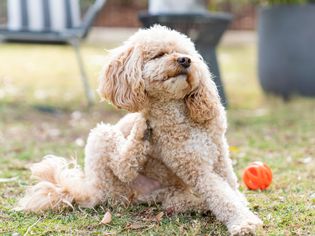
A persistent itch can make you absolutely miserable, whether from dry skin, a bug bite, or a rash. It's hard to focus on anything else, and while scra
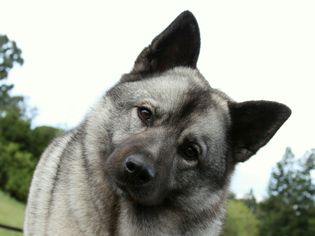
The Norwegian elkhound is a medium-size hound dog breed from Norway that has a thick, medium-length coat; erect ears; and a curled tail. It's an ancie
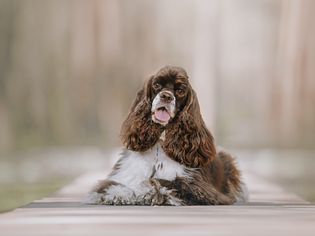
The American cocker spaniel is a small sporting dog breed from the United States that has a long, silky coat; big, expressive eyes; and long, furry ea
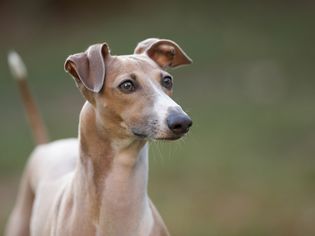
The Italian greyhound, also known as Iggy and IG, is a toy dog breed from Italy with a short coat, long neck, and slender legs. These sleek dogs are m
We are a comprehensive and trusted information platform dedicated to delivering high-quality content across a wide range of topics, including society, technology, business, health, culture, and entertainment.
From breaking news to in-depth reports, we adhere to the principles of accuracy and diverse perspectives, helping readers find clarity and reliability in today’s fast-paced information landscape.
Our goal is to be a dependable source of knowledge for every reader—making information not only accessible but truly trustworthy. Looking ahead, we will continue to enhance our content and services, connecting the world and delivering value.