
How to Stop Your Dog From Biting
Dogs are everywhere, so preventing dog bites is a necessity. Although some dogs are friendlier than others, any dog is capable of biting, regardless o

The American cocker spaniel is a small sporting dog breed from the United States that has a long, silky coat; big, expressive eyes; and long, furry ears. In the U.S., this breed typically is just referred to as the cocker spaniel. But, outside of the U.S., it’s known as the American cocker spaniel to differentiate it from its close cousin, the English cocker spaniel. The American cocker is the smallest breed in the American Kennel Club’s Sporting group. It was bred to hunt but also to be a loving family companion.
GROUP: Sporting
HEIGHT: 13.5 to 14.5 inches (female), 14.5 to 15.5 inches (male)
WEIGHT: 20 to 25 pounds (female), 25 to 30 pounds (male)
COAT: Long, silky double coat
COAT COLOR: Combinations of black, tan, white, brown, red, silver, buff, and brown roan with/without roan and merle markings
LIFE SPAN: 10 to 14 years
TEMPERAMENT: Affectionate, gentle, companionable
HYPOALLERGENIC: No
ORIGIN: United States
American cocker spaniels typically have very affectionate and friendly personalities with a gentle temperament. Many tend to love kids and even other dogs. They are moderately energetic and enjoy playtime with their humans.
| Affection Level | High |
| Friendliness | High |
| Kid-Friendly | High |
| Pet-Friendly | High |
| Exercise Needs | Medium |
| Playfulness | Medium |
| Energy Level | Medium |
| Trainability | Medium |
| Intelligence | Medium |
| Tendency to Bark | Medium |
| Amount of Shedding | Medium |
The American cocker spaniel's ancestors hail from England, where spaniels of different body types were routinely classified by weight rather than lineage. The larger, heavier dogs were called field spaniels or springer spaniels, and the smaller dogs were called cocker spaniels.
Breeders in the United States refined and standardized the American cocker as a distinct breed from its similar English cocker spaniel cousin. The American cocker is smaller and has a shorter muzzle and more profuse coat. The English and Canadian kennel clubs recognized the American and English cockers as separate breeds in 1940. And while the American Kennel Club first recognized the cocker spaniel in 1878, it didn’t list the American and English cockers as separate until 1946.
In the United States, the American cocker spaniel’s popularity has ebbed and flowed over the years. It was exceedingly popular from the 1930s to the 1950s. Disney’s 1955 animated film Lady and the Tramp even featured an American cocker spaniel as the sweet and gentle Lady.

Archive Photos / Getty Images
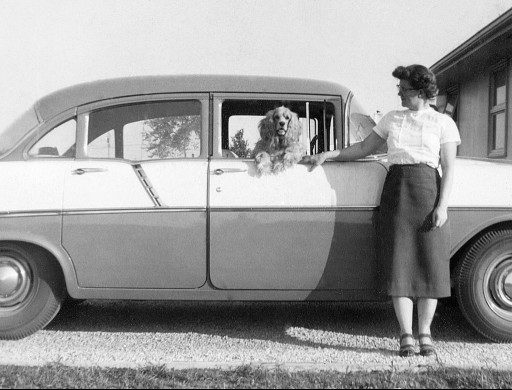
Kirn Vintage Stock / Corbis via Getty Images
American cocker spaniels require a moderate amount of exercise, as well as early and consistent training and socialization. They also have fairly high grooming needs.
Although American cocker spaniels are moderately energetic, they don’t need hours of daily exercise like some other sporting breeds. Their small size is an asset in this department. At least an hour of exercise per day should suffice via walks, games of fetch, and other playtime. Your cocker might also enjoy short jogging sessions, hiking, and really any activity where it can spend time with its favorite humans. To give it both a physical and mental challenge, consider training for a dog sport, such as agility or flyball.
Cockers require a lot of upkeep on their coat if you intend to keep it long. If you’re new to the breed, discuss proper grooming with a vet or professional groomer. It’s ideal to brush daily with a comb and then a brush to remove loose fur and tangles. Otherwise mats can easily form. You also can opt for a shorter puppy cut, which requires less frequent brushing.
Baths are often required every one to two weeks, depending on how long the coat is and how dirty your dog gets. Be sure to rinse out shampoo thoroughly to prevent skin irritation, and then dry the coat with a dryer that's warm but not hot.
Thoroughly dry your dog’s ears anytime they get wet to help prevent infection. And check them ideally once or twice a week for any abnormalities. In addition, aim to brush your cocker’s teeth every day. And check its nails roughly once a month to see whether they need a trim.
Cockers are usually eager to please and respond well to positive training methods. Avoid harsh corrections, as they can cause this sensitive breed to shut down and not learn. Start with puppy training classes to teach your dog basic obedience and manners. This will help to prevent bad habits from forming.
Also, aim to socialize your dog from as young of an age as possible to ensure it’s well-adjusted. Expose it to different people, other dogs, and various locations.



American cocker spaniels are prone to some hereditary health issues, including:
Your dog should always have access to fresh water. And you should feed a quality, nutritionally balanced canine diet. It’s typical to feed two measured meals per day. But be sure to discuss the type of food and amount with your veterinarian. Cockers love to eat, so it’s important to closely monitor their total daily food intake, including treats, to prevent them from becoming overweight.
The American cocker spaniel is a relatively popular dog breed in North America. So be sure to check local animal shelters and breed-specific rescue groups for a dog in need of a home. If you're looking for a puppy from a reputable breeder, expect to pay around $700 to $2,000, though this can vary widely based on appearance and other factors.
For further information to help you find a cocker spaniel, check out:
Sweet and affectionate
Generally does well around children
Good for small spaces
High grooming needs
Prone to becoming overweight
Prone to ear infections
Do diligent research to determine whether an American cocker spaniel is right for your lifestyle. Talk to breed owners, rescue groups, reputable breeders, and veterinarians. If possible, spend some time around cocker spaniels as well.
If you’re interested in similar breeds, check out:
There’s a whole world of potential dog breeds out there—with a little research, you can find the right one to bring home!
The American cocker spaniel is a distinct breed from the English cocker. The American cocker typically is smaller overall and has a shorter muzzle. It also generally has a slightly calmer and more loving demeanor than the English cocker.
American cocker spaniels can be excellent family dogs as long as they are properly trained and socialized. They tend to be gentle with children but should always be supervised around young kids.
American cocker spaniels typically can do well in apartments, as long as they get out every day to stretch their legs. They don't require a lot of space to play, and they tend to be adaptable and open to meeting strangers.

Dogs are everywhere, so preventing dog bites is a necessity. Although some dogs are friendlier than others, any dog is capable of biting, regardless o

Irritated, itchy skin may prompt dogs to scratch, lick, and chew themselves to the point of skin injury. These symptoms are often caused by parasites,

The black mouth cur, named for their square black muzzle, is a shorthaired ranch dog with a sweet personality. Their energy, intelligence, and tenacit

The Skye Terrier is a medium-sized terrier breed from Scotland with either upright or dropped ears, short legs, a long body, facial hair, and plenty o
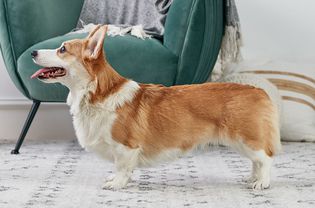
The Pembroke Welsh corgi is a small- to medium-sized herding dog of short stature and sturdy build. Known for their low-set body, large erect ears,&nb
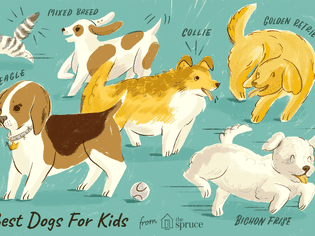
If you are searching for a dog that can get along with children, many breeds fit the bill. In theory, almost any dog has the potential to get along gr
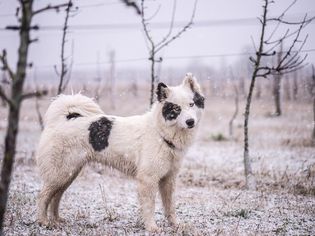
The Yakutian Laika is a large spitz dog breed from Russia with pointed ears, an athletic build, a thick double coat, and a tail that curls upwards ove
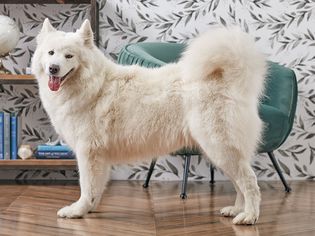
The Samoyed is a large Siberian working breed with pointed ears, a thick double coat, and a classic spitz tail that curls over the back. Often referre
We are a comprehensive and trusted information platform dedicated to delivering high-quality content across a wide range of topics, including society, technology, business, health, culture, and entertainment.
From breaking news to in-depth reports, we adhere to the principles of accuracy and diverse perspectives, helping readers find clarity and reliability in today’s fast-paced information landscape.
Our goal is to be a dependable source of knowledge for every reader—making information not only accessible but truly trustworthy. Looking ahead, we will continue to enhance our content and services, connecting the world and delivering value.