
How to Train Your Dog to Have Bite Inhibition
A big part of every puppy's early education should involve learning how to use its teeth. Mouthing and biting are natural puppy behaviors, but it&
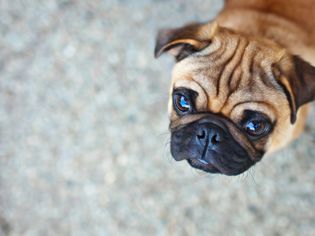
Many dog owners know that antifreeze is poisonous to dogs, but not all people understand how dangerous antifreeze poisoning can really be. Unfortunately, exposure to even a small amount of toxic antifreeze can quickly lead to death. Antifreeze poisoning in dogs is a very serious matter.
Antifreeze is a common hazard during winter, but dogs can easily be exposed to it any time of year. Dogs are most likely to be poisoned if they ingest it, but it technically can be absorbed through the skin. It is believed that dogs are attracted to antifreeze because it has a sweet taste. Many manufacturers have added bittering agents to make antifreeze less enticing, but that does not always prevent ingestion. A dog may find antifreeze in storage areas but is not uncommon to find small puddles of it in driveways, garages, and roadways. Be wary of puddles that have a greenish color or iridescent haze. Avoid letting your dog walk through or lick the ground where there are puddles.
Some types of antifreeze are more toxic than others. Most brands contain the active ingredient ethylene glycol, which is the most toxic kind. Antifreeze with the active ingredient propylene glycol or methanol is still poisonous, but not as serious as an antifreeze with ethylene glycol.
It takes very little ethylene glycol to poison a dog. The average toxic dose depends on the dog's size.
(amounts are approximate)
Dog's weight (lbs) Toxic Dose (tbsp)
10 1-2
20 2-3
40 5
60 8
80 10-11
The Merck Veterinary Manual states: "The minimum lethal dose of undiluted EG is 1.4 mL/kg body wt in cats, 4.4–6.6 mL/kg in dogs, 7–8 mL/kg in poultry, and 2–10 mL/kg in cattle, 1.6 mL/kg in macaques, and 6.61 mL/kg in guinea pigs. Younger animals may be more susceptible."
After exposure to ethylene glycol, most dogs begin showing signs very quickly. At first, it may look like alcohol intoxication. For the first 30 minutes to 12 hours after exposure, dogs often exhibit the following signs:
These initial signs usually subside after the first 12 hours. Unfortunately, this can make you think that the dog is improving. However, the toxin continues to do serious damage to the internal organs.
Somewhere between 36 and 72 hours after intoxication, the dog's kidneys will begin to fail. At this point, the dog will once again show signs of illness:
If aggressive veterinary treatment has not begun before this final stage, the chances of survival are significantly decreased.
Unfortunately, ethylene glycol poisoning often leads to death. The sooner it can be detected and treated, the better the chance of recovery. If you suspect your dog has been exposed to antifreeze, contact your veterinarian immediately. The best thing you can do is to head straight to the nearest open veterinarian. If it's after hours, find an emergency clinic near you.
Do not induce vomiting unless your vet instructs you to do so. Also, don't just wait for your dog to show improvement. Without treatment, dogs who have been poisoned by antifreeze will almost certainly suffer kidney failure followed by death. Time is of the essence in order to prevent death.
If you think your dog has been exposed to antifreeze, but you're not sure, talk to your veterinarian about all the facts you know. The vet will look at your dog's history, physical examination, and laboratory data together to make a diagnosis.
If you know for sure your dog was exposed to antifreeze, your vet will still need to run several tests. At the very least, the vet will perform blood work to assess organ function and cell counts. A urinalysis will also be done to look for abnormalities (such as calcium oxalate crystals, which are often seen after ethylene glycol poisoning).
Once the vet can determine the extent of damage done so far and the state of the dog, a treatment plan will be developed.
If ethylene glycol poisoning is detected early enough (within 8-12 hours of exposure), the first goal of treatment is to prevent further metabolism of the ethylene glycol. This is done by administering either the drug fomepizole (also known as 4-MP) or ethanol (also known as ethyl alcohol, which is drinking alcohol).
Because 4-MP is very expensive, not all vets will have it on hand. Therefore, ethanol is commonly used in the form of grain alcohol or even vodka. It is important to know that alcohol is normally toxic to pets. However, when given carefully and properly by a vet to treat antifreeze poisoning, it interferes with the absorption of ethylene glycol. Never attempt to treat your dog with ethanol alcohol on your own--it can cause more harm and even lead to death.
The next step in treatment involves intensive supportive care. IV fluids are administered to keep the dog hydrated and correct electrolyte imbalances. Medications are given to ease symptoms. The dog's vitals are closely monitored and lab work is checked often in order to measure recovery.
Unfortunately, not all dogs will survive ethylene glycol poisoning, even with aggressive treatment. The sooner you can get the affected dog to the vet, the better chance there is of survival. Do not delay if there's a chance your dog was exposed to antifreeze!
The best thing you can do is to protect your dog from exposure to ethylene glycol. In addition to antifreeze, this chemical can be found in brake fluid, de-icers, certain cleaners and other household or automotive solutions.
Antifreeze is deadly, but your dog does not have to suffer from this dreadful toxicity if you are careful in and around your home.
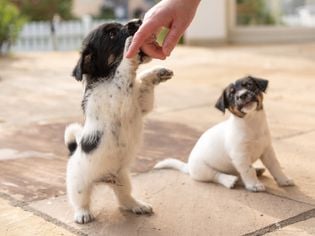
A big part of every puppy's early education should involve learning how to use its teeth. Mouthing and biting are natural puppy behaviors, but it&
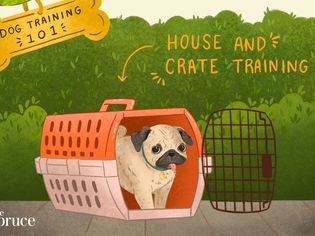
Are you ready to start training your dog or puppy? Proper training and socialization are among your dog's basic needs. It's important to start

Rich in vitamins A and C, magnesium, potassium, and dietary fiber, nectarines are a sweet and nutritious summer fruit. But are nectarines safe for dog

Spring is here! For many of us, that means it's time to clean, freshen up our homes, and (literally) dust off the winter blues. But when you have

Scent hounds are dogs specifically bred to use their sense of smell to track scents. The average dog’s nose features about 300 million olfactory recep
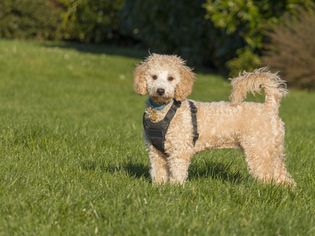
The poochon is a small, non-shedding dog that is a cross between the bichon frise with the toy or miniature poodle; colors include whit
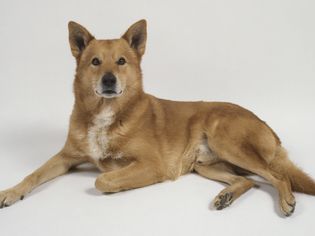
The Canaan dog is a rare, medium-size herding dog breed from the Middle East, with a short coat, square build, upright ears, and bushy tail. This is a
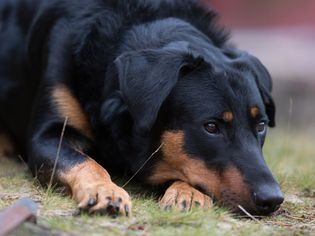
The Beauceron is a large sheepdog with a commanding presence, taking its name from the La Beauce region surrounding Paris, France. Although a well-mus
We are a comprehensive and trusted information platform dedicated to delivering high-quality content across a wide range of topics, including society, technology, business, health, culture, and entertainment.
From breaking news to in-depth reports, we adhere to the principles of accuracy and diverse perspectives, helping readers find clarity and reliability in today’s fast-paced information landscape.
Our goal is to be a dependable source of knowledge for every reader—making information not only accessible but truly trustworthy. Looking ahead, we will continue to enhance our content and services, connecting the world and delivering value.