
Saying Goodbye to Your Dog
Whether you have an elderly dog or simply a dog with health issues, you are likely concerned about your dog's quality of life. You might be asking you

Eclampsia is a life-threatening drop in blood levels of calcium that strikes some nursing dogs, usually when the puppies are one to four weeks of age. Also called puerperal tetany, milk fever, or hypocalcemia, eclampsia can cause agitation, muscle tremors, seizures, and even death if not treated right away. Although eclampsia is relatively uncommon, you should know the signs and symptoms if you own a female dog used for breeding, especially if your dog is a small breed, or has given birth to a large litter of puppies, as these are the two most common scenarios for the development of this disorder.
In humans, eclampsia refers to a pregnancy complication involving a surge in blood pressure. In dogs, however, eclampsia has nothing to do with blood pressure; instead, it's a condition marked by a severe drop in the levels of calcium circulating in the dog's blood.
While the exact mechanism of eclampsia is uncertain, it is assumed that the condition is caused by a combination of insufficient intake of calcium in the dog's diet combined with the losses of calcium experienced by a female dog during pregnancy and lactation. Although eclampsia can strike any nursing dog, it is most common in small-breed females or mothers of large litters. Occasionally, eclampsia strikes during the last stages of a dog's pregnancy, but most often it occurs when the puppies are between one and four weeks of age, which is the time the mother is producing the most milk, and so demands on calcium are the highest.
Eclampsia usually comes on quickly, but because the initial symptoms can be subtle, it is easy for the dog's owner to miss them until the condition advances. If you own a nursing dog, be alert to a sudden onset of unusual panting, agitation, or restlessness. If untreated, the eclampsia will progress into symptoms that can include muscle stiffness (tetany), muscle spasms or tremors, convulsions, high fever, coma, and death. Contact your veterinarian immediately should you notice any signs of eclampsia in a lactating female dog, or a dog in the last week or two of pregnancy, and move the mother away from her puppies so she cannot continue to nurse.
The early signs of eclampsia generally include restlessness, panting, weakness, and stiffness in the muscles that can make the dog's walk wobbly. As the condition advances, the dog may experience increasing muscle stiffness or spasms that make the muscles twitch or jerk.
If not treated, the eclampsia symptoms will tend to become more severe, with the dog appearing confused and unaware of where it is, and possibly, of who you are. Some dogs develop a high fever at this stage. Seizures are common, with the dog collapsing to the ground. Ultimately, in untreated eclampsia, the dog will slip into a coma and die.
Luckily, with prompt treatment, most dogs make a rapid and full recovery.
Eclampsia in dogs is caused by dangerously low calcium levels in the blood. The scenario that leads to eclampsia is complex, but it's basically caused by a lack of sufficient dietary calcium during gestation combined with the demands on the female dog's calcium stores during pregnancy. Nursing the puppies leads to further demands on the mother's levels of calcium, dropping them into the danger zone that triggers the symptoms of eclampsia.
Surprisingly, giving the pregnant dog extra calcium supplements can increase the risk of eclampsia after birth, as this can suppress the normal biological controls of calcium within the body, leading to a decrease in calcium supply once the heavy demands of lactation begin. Eclampsia is most common in small breed dogs or dogs with large litters due to the high milk demand of the puppies. The body produces milk faster than it can take in calcium.
If your pregnant or nursing dog shows any signs of illness, it's essential to visit your veterinarian as soon as possible. Generally, a veterinarian will diagnose eclampsia based on the dog's symptoms, the age of the puppies, and the results of a calcium blood test. Most veterinarians will perform a full physical exam of the dog as well and may order additional blood tests to evaluate organ function and look for signs of any underlying health issues.
If your veterinarian diagnoses your dog with eclampsia, it is important to begin treatment immediately. The dog will be admitted to the hospital and administered intravenous calcium while being closely monitored. The calcium must be given slowly and carefully to avoid complications such as arrhythmia (irregular heart rate) and bradycardia (slow heart rate). Additional medications may be used to control signs like seizures and muscle stiffness.
Once calcium levels return to normal, the dog will be sent home with oral calcium and vitamin D supplements. It is generally best for the puppies to stop nursing for about 12-24 hours. They should be given a canine milk replacement formula until it is safe for the mother to nurse again. However, the puppies should be weaned off their mother's milk as soon as possible.
Fortunately, with prompt treatment, most dogs make a quick and full recovery. However, time is of the essence when eclampsia begins, so always take your dog to the veterinarian immediately should it show symptoms of the condition while pregnant or nursing puppies.
The best way to prevent eclampsia is to avoid supplementing the pregnant dog with calcium during pregnancy. Instead, make sure your dog eats a high-quality, balanced diet specifically formulated for pregnant or lactating dogs, and follow your vet's recommended schedule for checkups during the dog's pregnancy and in the weeks afterwards.
Your vet may recommend starting calcium supplementation at the end of gestation or after whelping if your dog has a high risk of developing eclampsia. Puppies may need to be supplemented with formula beginning around three to four weeks of age to avoid the decrease of the mother's calcium levels. Risk factors include:

Whether you have an elderly dog or simply a dog with health issues, you are likely concerned about your dog's quality of life. You might be asking you

Whipworms can make puppies feel awful. They cause stomach upset and diarrhea, and they can prevent puppies from gaining weight, With a severe infestat

Witnessing your puppy having a seizure can be terrifying and leave you feeling helpless and anxious for your pet. How can you tell if your puppy is tr

The Glen of Imaal terrier is a medium-size terrier dog breed from Ireland with a medium-length wiry coat that doesn’t shed much. Overall, the dog is l

The Parson Russell terrier is a small dog breed from England with a short double coat and a big personality. Originally bred to hunt foxes, these terr
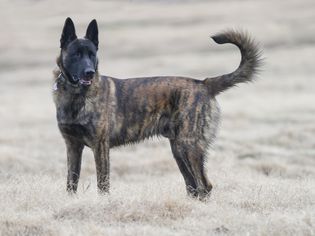
The Dutch shepherd is a medium-sized dog with a wedge-shaped head, flat skull, erect triangular ears, and soulful dark almond-shaped eyes. The dogs or

The Maltese is a small and affectionate toy dog breed that hails from the Mediterranean region and is known for its trademark silky, white fur that ac

Toy poodles, along with standard poodles and miniature poodles, are famously known for their proven excellence in dog shows. Their curly and voluminou
We are a comprehensive and trusted information platform dedicated to delivering high-quality content across a wide range of topics, including society, technology, business, health, culture, and entertainment.
From breaking news to in-depth reports, we adhere to the principles of accuracy and diverse perspectives, helping readers find clarity and reliability in today’s fast-paced information landscape.
Our goal is to be a dependable source of knowledge for every reader—making information not only accessible but truly trustworthy. Looking ahead, we will continue to enhance our content and services, connecting the world and delivering value.