
Separation Anxiety in Dogs
Separation anxiety in dogs is the distress some dogs feel when they are left alone without their human or other animal companion. It can be a complica

Macadamia and other potentially toxic nuts, can be found in many households, and can unknowingly be given to your pets as treats. The best way to prevent any accidental ingestion is to avoid these nuts altogether. Here, we will discuss some nuts that can pose a problem for dogs, the clinical signs you need to be aware of, and treatments needed if toxins have been ingested.
If your pet has ingested a potentially toxic nut, seek veterinary attention immediately and contact animal poison control.
It is not known what makes macadamia nuts toxic, but its effects have only been reported in dogs. These nuts can be found in cakes, cookies, and as the whole nut. Like raisins and grapes, which are also toxic to dogs, individual sensitivity to macadamia nuts may vary, as does the number of nuts needed to cause a toxic reaction.
Clinical signs usually appear within 12 hours of ingestion and will resolve within 48 hours. Vomiting and abdominal pain may be the only signs noted when low doses of the nut are ingested. Other signs may include lethargy, ataxia (staggering), weakness in the hind limbs, hyperthermia (increased temperature), and mild, temporary changes in the levels of blood components, such as triglycerides and some enzymes. When dogs ingest high doses of macadamia nuts, tremors and recumbency, as well as pale mucous membranes, may be noted.
Treatment may include gastric decontamination, to remove the toxin, fluid therapy, anti-nausea and pain medication, and muscle relaxants. Oxygen might be needed if there are signs of respiratory distress. Prognosis is good with treatment. Dogs that eat macadamia nuts along with other toxins, like chocolate, may need more aggressive treatment and be at higher risk of having complications.
Juglone is a toxin found in the leaves, stems, branches and nut hull of the walnut. Most issues are caused by ingestion of moldy walnuts. Moldy walnuts can harbor toxins that can cause severe muscle tremors or liver damage. Walnuts, because of their high fat and oil content, can also cause gastrointestinal issues and even pancreatitis.
If the moldy walnuts were recently ingested, gastric decontamination can be performed. This may include inducing vomiting, gastric lavage, and administering activated charcoal to bind the toxin and limit absorption. Other treatments will depend on the symptoms that develop. They may include fluid therapy, anti-nausea medication, gastrointestinal protectants, liver protectants, muscle relaxers, and anticonvulsants. If liver damage occurs, supportive care to prevent abnormal bleeding may also be necessary. If clinical signs of liver damage are seen, the prognosis is guarded to poor.
In humans, the horse chestnut has been used as a herbal remedy to treat fevers and hemorrhoids. The bark, flowers, and leaves can have varying levels of toxicity. Individual sensitivity to the horse chestnut may vary, as does the number of nuts needed to cause a toxic reaction. If there is suspicion of horse chestnut ingestion, owners should seek veterinary attention immediately.
The onset of clinical signs varies, and it can take 24 to 48 hours for poisonings to manifest. Signs can be gastrointestinal in nature when smaller amounts of the nut have been ingested. Also, consider whether any foreign bodies may have been ingested.
Your vet may perform radiographs if your dog has been vomiting, because the signs may be related to an obstruction rather than toxicity. When the nut has been ingested in higher doses, dogs may experience neurologic and muscular effects. Very high doses can result in CNS depression or the slowing down of neurological functions.
If the horse chestnut was recently ingested, gastric decontamination can be performed. This may include inducing vomiting, gastric lavage, and administering activated charcoal to bind the toxin and expel it from the body. Other treatments will depend on the severity of the condition. They may include fluid therapy, anti-nausea medication, gastrointestinal protectants, and anticonvulsants. Supportive care to prevent kidney damage, blood clots, and electrolyte disturbances, may also be necessary. Fatal cases have been reported. But, with early intervention, the majority recover and have a good prognosis.
Ginkgo nuts are used extensively as a herbal treatment in human medicine. The seeds and leaves can both be toxic. However, the seeds are a major concern.
There are male and female ginkgo trees. It is the seed from the female tree that contains ginkgotoxin which is harmful to canines.
If the leaf is ingested, basic supportive care with fluids and anti-nausea medication may be all that is needed. If the seeds are ingested, gastric decontamination may need to be performed. Other treatments depend on the number of seeds ingested. In addition to fluid therapy and anti-nausea medication, treatment may include gastrointestinal protectants, anticonvulsants, support for blood work abnormalities. Oxygen may be administered in cases of respiratory distress. The prognosis should be good with early intervention. If seeds are ingested, and early intervention does not occur, the prognosis may be guarded.

Separation anxiety in dogs is the distress some dogs feel when they are left alone without their human or other animal companion. It can be a complica

Begging is a common behavior problem faced by dog owners. While teaching a dog to beg on cue is a cute trick, it can be frustrating to have your dog h

Dog owners usually know that chocolate is poisonous to dogs, but not all understand how much chocolate is toxic and how. As a responsible dog owner, i

Ear yeast infections are very common in dogs. Dogs with floppy or hairy ears are particularly vulnerable because their ears trap moisture. The moist e
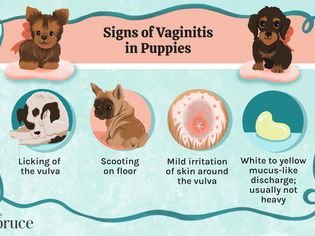
Puppy vaginitis, also called juvenile vaginitis, is the inflammation of the vagina in a puppy that has not reached puberty (had their first heat

Ascites in dogs is an abnormal buildup of abdominal fluid that occurs as a result of an underlying disease. Several health conditions can cause ascite

Originally bred for hunting otters, the Wettherhoun is a dog breed that makes both a fantastic watchdog and family pet. Energetic and strong-willed, t

The affenpinscher is a small toy dog breed native to Germany with short- to medium-length, wiry fur and a face that many describe as “monkey-like.” In
We are a comprehensive and trusted information platform dedicated to delivering high-quality content across a wide range of topics, including society, technology, business, health, culture, and entertainment.
From breaking news to in-depth reports, we adhere to the principles of accuracy and diverse perspectives, helping readers find clarity and reliability in today’s fast-paced information landscape.
Our goal is to be a dependable source of knowledge for every reader—making information not only accessible but truly trustworthy. Looking ahead, we will continue to enhance our content and services, connecting the world and delivering value.