
Why Dogs Roll In Poop and Other Stinky Things
It never fails: after giving your puppy a bath so he looks and smells lovely, he runs outside and rolls in poop. Dogs and puppies live through their n

Bruxism is the act of grinding teeth together using the jaw muscles. This can include the actions of clenching or striking the teeth together. Teeth grinding is well known among humans, but it can occur in dogs as well. Mild teeth grinding may not cause any issues, but frequent grinding or clenching of the teeth can lead to problems with the teeth and jaw.
Not all dogs grind their teeth. When they do, there are a few potential reasons why.
Many dogs will grind their teeth as a response to pain or discomfort. Dogs don't typically exhibit signs of pain the way humans do. Many dogs try to hide their pain by acting as normal as possible; this is part of their survival instinct. A small behavior like teeth grinding may be the only hint you have that there is something wrong in your dog's mouth.
Potential causes of oral pain include periodontal disease, rotten teeth, oral infections, fractured teeth, injury to the oral mucous membranes or tongue, and oral growths or tumors. Some puppies will grind their teeth while they are teething or when there is a loose tooth. Fortunately, most puppies grow out of the behavior once their adult teeth have come in.
A malocclusion occurs when there are misaligned teeth preventing the jaws from closing the teeth together properly and evenly. In dogs, it is sometimes called an "abnormal bite" and may be seen as an underbite or overbite. Malocclusions cause the teeth to grind against other teeth involuntarily as a part of normal mouth movement.
Just like oral pain can make some dogs grind their teeth, pain or discomfort in the esophagus, stomach, or intestines can do the same. Teeth grinding in response to pain may be a way for dogs to self-soothe or distract from the pain.
Stress and anxiety are leading causes of bruxism in humans. In dogs, this reaction to anxiety and stress is less common but can still occur. This type of teeth grinding may happen unconsciously while dogs sleep. Some dogs may have focal seizures where the only thing noticed is teeth chattering.
Mild, infrequent teeth grinding may not cause problems in a dog. However, over time, grinding the teeth can cause significant wear to the tooth enamel and dentin. Once worn down enough, the teeth may become severely painful and damaged. If the pulp inside the tooth becomes exposed, the dog may develop a serious infection.
You may not be aware of your dog's teeth grinding at first. The sound of it may be subtle or it may sound like chattering or grinding. You may or may not see the movement of the jaw muscles and mouth unless you look very closely.
Do not ignore teeth grinding in your dog, even if it seems mild. If you notice signs of teeth grinding in your dog, be sure to contact your veterinarian's office to schedule an appointment. The vet will evaluate your dog's mouth and do a physical examination to look for an underlying cause.
Your vet will likely recommend lab tests or imaging to evaluate your dog's organ function and overall health. These tests may reveal underlying conditions that might be causing the bruxism. In addition, they can help your vet determine the safest methods to use for anesthesia, sedation, pain management, and other therapies.
Based on the exam findings, your dog may need an oral examination and professional dental cleaning to determine the extent of the damage and/or begin treatment. Your dog will be put under anesthesia and the teeth will be closely examined. Dental radiographs (X-rays) may be performed to assess the teeth and jaw.
If your vet determines that the teeth grinding is not related to a health problem, then there is a chance your dog is experiencing anxiety or stress. Your vet may be able to offer advice on how to ease your dog's stress using environmental changes, medications, and behavior modification. You may wish to seek help from an animal behaviorist or dog trainer to help you work with your dog.
You may be able to prevent the harmful effect of teeth grinding if it is caught early. Be sure to bring your dog to the vet for routine wellness visits as recommended, usually once or twice a year.
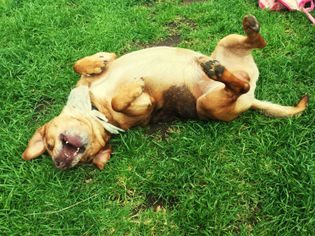
It never fails: after giving your puppy a bath so he looks and smells lovely, he runs outside and rolls in poop. Dogs and puppies live through their n
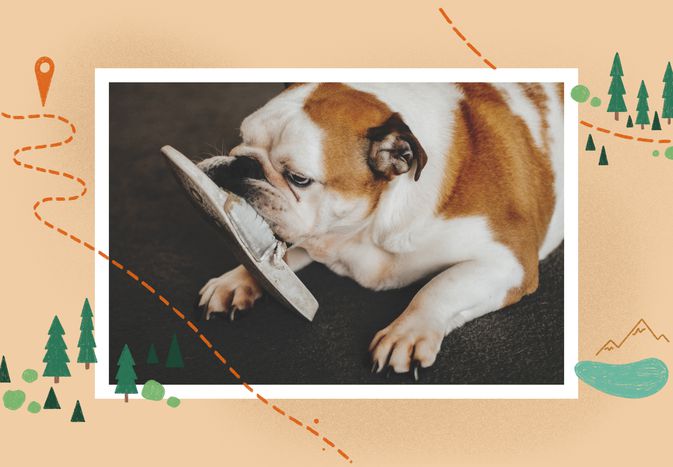
Bringing a new dog home is exciting, but it’s not always the picture-perfect experience you envisioned. One day you’re gushing over how adorable they

You just got the most adorable puppy and you want to breed him. But when can male dogs breed, and should you be concerned about leaving your puppy int
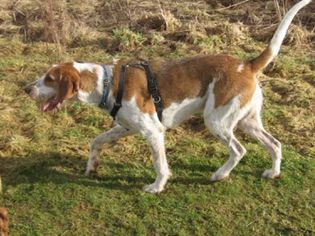
Bred in the United States, the American English Coonhound is a medium-sized hunting breed with long ears, short fur, and lengthy snouts for sniffing o
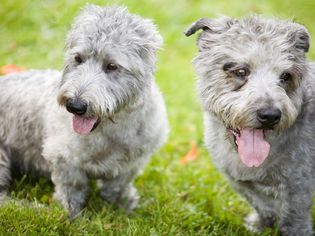
The Glen of Imaal terrier is a medium-size terrier dog breed from Ireland with a medium-length wiry coat that doesn’t shed much. Overall, the dog is l
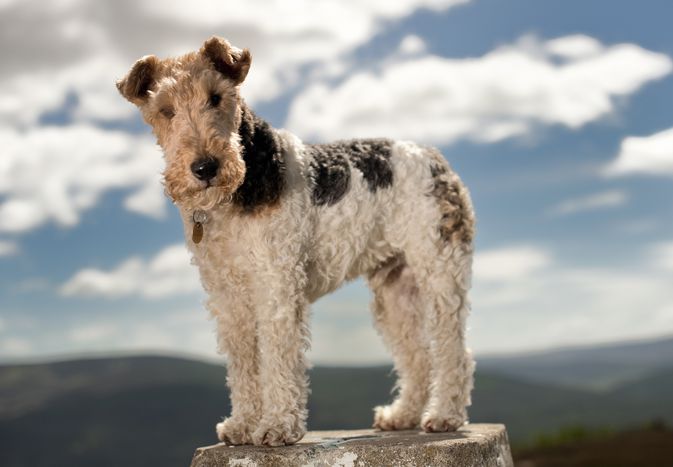
The wire fox terrier is an intelligent dog with high energy levels, similar to many other terrier breeds. These charismatic, floppy-eared dogs sport t
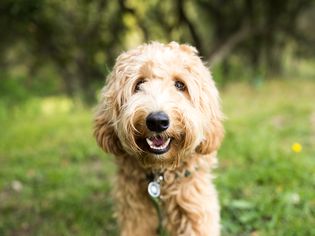
The Labradoodle is a cross between a Labrador retriever and a standard or miniature poodle that was originally developed in Australia. Labradoodles ar

The Tosa dog, commonly referred to as the Tosa Inu, Tosa Ken, or Japanese Mastiff, is a large mastiff-type breed with short fur that was developed in
We are a comprehensive and trusted information platform dedicated to delivering high-quality content across a wide range of topics, including society, technology, business, health, culture, and entertainment.
From breaking news to in-depth reports, we adhere to the principles of accuracy and diverse perspectives, helping readers find clarity and reliability in today’s fast-paced information landscape.
Our goal is to be a dependable source of knowledge for every reader—making information not only accessible but truly trustworthy. Looking ahead, we will continue to enhance our content and services, connecting the world and delivering value.