
Why Almost Any Dog Can Do Agility Training
What’s the first thing that comes to mind when you picture a dog doing agility training? A tall border collie gracefully gliding through an obstacle c

Grain-free dog foods and heart disease may have a connection, but the cause of the reported dilated cardiomyopathy cases in over 500 dogs is still unknown. Dog owners should be aware of the investigation and have a discussion with their veterinarian if they have been feeding a grain-free food or are concerned their dog may have dilated cardiomyopathy.
The Food and Drug Administration (FDA) investigated 515 reports of dilated cardiomyopathy in dogs between January 2014 and April 2019, 219 of those reports happening since December, 2018. The FDA updated its question and answer portion about this investigation in August 2021.
More than 20 percent of these dogs overall (119) had died at the time of the FDA's announcement. Prior to this large number of reports, only one to three reports of dilated cardiomyopathy were received by the FDA each year. There are likely more cases of DCM that have not been reported as diagnosis of the DCM can be complex and costly. The recent influx in reports has led to an investigation to determine what the cause of this serious heart disease might be.
91 percent of the reported cases between 2014 and 2019 involved grain-free foods, 93 percent of the dog foods that were reported contained peas and/or lentils in their ingredient lists, and 42 percent contained potatoes or sweet potatoes. Sixteen brands have been identified in 10 or more cases and the great majority were in a dry kibble form. Five brands, in particular, (Acana, Zignature, Taste of the Wild, 4Health, and Earthborn Holistic) account for 48 percent of the cases, however some of these dogs were eating more than one brand of food.
Other dog food brands were also involved in the reported cases but had less than 10 cases associated with them.
There are many different types of heart disease, but dilated cardiomyopathy is the specific heart disease that is being investigated. Dilated cardiomyopathy (DCM) occurs when heart muscle becomes thin and stretched out and unable to pump blood as well as it should. Over time this causes the heart to become enlarged or dilated, and congestive heart failure can occur as a result. DCM is serious and can eventually cause death.
Taurine (an amino acid) absorption and its synthesis from methionine and cysteine along with its excretion are being looked at as potential causes but other dietary factors are also being assessed. The amounts of protein, fat, moisture, crude fiber, total dietary fiber, soluble fiber, insoluble fiber, total starch, and resistant starch are also being looked at.
Necropsies of deceased dogs from these cases are also being reviewed along with a multitude of laboratory testing for surviving dogs and questions for pet owners. It is unknown whether or not there is a causative link to the grain-free diets identified in this investigation or if it is coincidental. Genetics and environmental factors may play a role as well, but the investigation is ongoing.
Since so many of the foods that were reported contained peas, lentils, potatoes and/or sweet potatoes, it is being speculated that one or more of these ingredients may be of concern. This is still only a speculation, since nothing has been confirmed.
It is also possible that an increased awareness of the disease may be playing a role in more cases being diagnosed and reported.
If a dog owner is feeding a grain-free food or is noticing any worrisome symptoms in their dog, they should discuss their concerns with their veterinarian. A dietary change to a food containing grains may be recommended, taurine levels may be measured, and an echocardiogram may be performed to assess heart function after the veterinarian performs a full physical on the dog. If DCM is diagnosed after these tests are performed, a report should be filed with the FDA and medications and/or supplements may be recommended based on the findings to manage the disease.
No one knows what is causing these reports of DCM in dogs, but since the majority of them involve grain-free foods, many veterinarians are recommending switching to grain-containing diets.
Historically, dog diets have been formulated to meet the nutritional requirements of dogs. As marketing trends in humans shifted towards grain-free options, the pet food industry followed suit with new companies offering an expansive selection of grain-free dog foods. Many of these companies do not have veterinary nutritionists developing their foods, so there is concern for nutritional safety, such as what may be discovered during this DCM investigation. Until this investigation is complete, it is recommended that a dog be fed a food that has been developed by veterinary nutritionists, is made by a company with a long history of producing quality diets, and meets the standards set by the Association of American Feed Control Officials (AAFCO) as determined by food trials.

What’s the first thing that comes to mind when you picture a dog doing agility training? A tall border collie gracefully gliding through an obstacle c
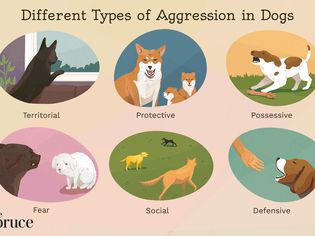
If your dog regularly growls, snaps, or bites, you might have a behavioral problem of aggression on your hands. Aggression is one of the top reasons d

Even though they aren't able to hear commands, deaf dogs can be trained to obey their owners. Of course, this process is different from training a hea

Pumpkin has become a staple of autumn for people, and better yet, it's one of a handful of "human" foods that are actually recommended by

Warts are fairly common on dogs, but although unsightly, they aren't usually a problem or a threat to your dog's health. While the hands and f

If you see worms in your dog's poop, it might mean your dog has intestinal parasites. There are many types of parasites that can affect dogs, and some

The German spitz is a small- to medium-sized fluffy companion breed that hails from Germany. “Spitz” breeds, sometimes called Northern breeds, are a t

The coton de Tulear is a small, fluffy dog from Madagascar known for their affectionate, clownish personality. Related to the bichon frise and Maltese
We are a comprehensive and trusted information platform dedicated to delivering high-quality content across a wide range of topics, including society, technology, business, health, culture, and entertainment.
From breaking news to in-depth reports, we adhere to the principles of accuracy and diverse perspectives, helping readers find clarity and reliability in today’s fast-paced information landscape.
Our goal is to be a dependable source of knowledge for every reader—making information not only accessible but truly trustworthy. Looking ahead, we will continue to enhance our content and services, connecting the world and delivering value.