
Common Canine Behaviors Explained
There's no doubt that every dog is its own person and has a specific personality. But nearly all dogs are guilty of a few bizarre behavior pattern

Lupus is a disease that affects the immune system of a dog by attacking its tissues. There are two types of lupus, and one of them, systemic lupus erythematosus (SLE) can be a frightening disease due to the variety of life-threatening symptoms it can cause. Because of this, it's important for a dog owner to be familiar with SLE and how it is treated.
Lupus is an autoimmune (when the body's immune system mistakes its own healthy tissues as foreign and attacks them) or immune-mediated disease (conditions that result from abnormal activity of the immune cells). There are two main types of lupus seen in dogs—systemic lupus erythematosus and the less challenging discoid lupus erythematosus (DLE). Other species, including humans, can also develop lupus, but it is not contagious.
Discoid lupus erythematosus is also known as cutaneous or facial lupus erythematosus and there are also various forms of DLE that affect the skin, nasal planum, and mucous membranes or gums of dogs. A dog will have DLE when the immune system attacks a layer of the cells within the skin to cause the problem. It is not as problematic to a dog as SLE, however.
Systemic lupus erythematosus, on the other hand, affects more than just the external tissues of a dog. SLE attacks the internal tissues and therefore affects multiple body systems and functions. It can vary from dog to dog depending on what part of the body the immune system is attacking but can affect various organs, muscles, the skin, glands, and more.
Systemic lupus erythematosus can cause an array of symptoms since it can affect so many different parts of the body. The symptoms can slowly or suddenly appear in dogs and the severity of signs also fluctuate over time. With DLE, the only real symptom is the crusting over and scabbing of the skin around the nose and possibly other parts of the skin with disc-shaped patches. Symptoms of SLE can include the following:
Lethargy and a decrease in appetite may be seen due to the overall discomfort and general unwell feeling in dogs with lupus.
Lupus can also cause muscle pain which results in a dog limping and crying when attempting to stand or walk. The limping can switch between legs since the muscle pain is often in more than one place and an attempt to pet a dog's leg that has lupus may even result in a dog crying if it is hurting enough.
Skin and fur changes are often seen in dogs with lupus. Thinning of the fur and skin, fur loss, a decrease in pigmentation of the skin (a symptom which may also happen with the onset of DLE), and even skin redness can occur.
Many dogs also experience ulcerations on the skin and at the corners of the mouth.
The dog's dysfunctional immune system may cause enlarged lymph nodes in the neck, armpits, and other regions that can be seen or felt in a dog with systemic lupus erythematosus.
The muscles also may appear to atrophy, then shrink and waste over time resulting in muscle atrophy.
The cause of both types of lupus is unknown. With DLE, the triggers that worsen the condition seem to be exposure to ultraviolet (UV) light and cigarette smoke. Medium to large breeds are more susceptible to DLE, including the following dogs:
Numerous causes of SLE have been suspected and include genetic factors, physiologic, and even environmental factors. Though SLE is somewhat rare in dogs, some medium to large breeds seem to be prone to developing SLE at around five years of age, including:
DLE requires a skin biopsy. But, SLE can be very difficult to diagnose due to the varied presentation of symptoms. A veterinarian will begin by performing the following exams and tests for SLE:
For DLE, topical treatments are usually used unless severe symptoms require more aggressive systematic medicines. But caring for systemic lupus erythematosus can require various tactics. Special diets, supplements, and treatments may be recommended depending on the specific symptoms being experienced by each lupus patient. Your vet will likely prescribe the following treatments and/or medications to manage the symptoms and suppress the dog's immune system:
The long-term outcome for dogs with DLE is good, but a prognosis for a dog with SLE is difficult to assess with any certainty. Dogs with DLE may need continuous treatment and symptoms may come and go, but your pet can live a normal life.
SLE is progressive and requires lifelong treatment to keep the immune response suppressed. However, suppressing an animal's immune system can have side effects that can also cause serious problems with your dog's health.
Since there may be some genetic factors that can cause lupus, dogs that have been diagnosed with systemic lupus should not be used for breeding. Some veterinarians recommend supporting the immune system with various supplements or being careful not to overstimulate the immune system with too many medications or vaccinations at one time or for prolonged periods but there is no definitive prevention plan for lupus.

There's no doubt that every dog is its own person and has a specific personality. But nearly all dogs are guilty of a few bizarre behavior pattern

Are you ready to start training your dog or puppy? Proper training and socialization are among your dog's basic needs. It's important to start

Pumpkin has become a staple of autumn for people, and better yet, it's one of a handful of "human" foods that are actually recommended by

A choking dog can be very scary for a pet owner. If a person is choking, they may be unable to talk, but most people know the universal sign for choki

Energetic and protective, the American leopard hound gets their name from not only where the breed originated but also their classic spotted coat and

The Scottish terrier is a small dog breed from Scotland that sports a medium-length wiry coat with a trademark beard and longer hair around the legs a

The wire fox terrier is an intelligent dog with high energy levels, similar to many other terrier breeds. These charismatic, floppy-eared dogs sport t
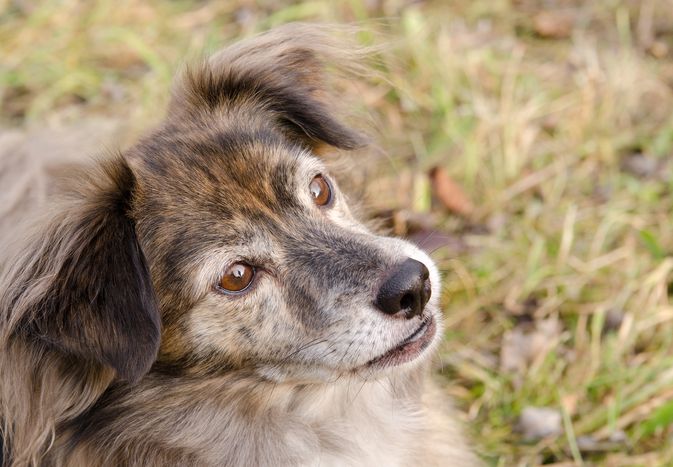
Feists are small, energetic dogs developed in the southeastern United States to hunt squirrels and catch vermin. Their short, low-maintenance coat co
We are a comprehensive and trusted information platform dedicated to delivering high-quality content across a wide range of topics, including society, technology, business, health, culture, and entertainment.
From breaking news to in-depth reports, we adhere to the principles of accuracy and diverse perspectives, helping readers find clarity and reliability in today’s fast-paced information landscape.
Our goal is to be a dependable source of knowledge for every reader—making information not only accessible but truly trustworthy. Looking ahead, we will continue to enhance our content and services, connecting the world and delivering value.