
How to Use Positive Reinforcement to Train Your Dog
Using positive reinforcement to train your dog means you reward the behaviors you like and ignore the behaviors you do not like. You can use praise, l
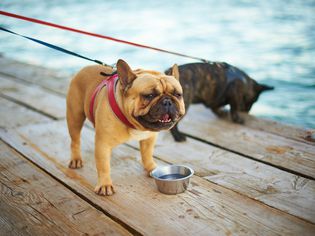
Dehydration is a water deficiency in the body. Your puppy loses water every day during elimination, the exhalation of each breath, and through the evaporation of saliva during panting.
Puppies are particularly susceptible to dehydration because they have much less body mass than an adult dog. During the hot summer months, overheating during play can also predispose your puppy to excess water loss. It becomes even more important to supervise your puppy during hot weather to help prevent dehydration.
A large majority of a dog's water loss is due to urination. These fluids are replaced when the puppy eats and drinks. Making sure that lots of clean water is available helps prevent dehydration. Puppies drink more during hot weather, but during winter you must also be sure that the water bowl doesn’t freeze and prevent access to water. Anything that increases fluid loss, such as vomiting and diarrhea, can also result in dehydration.
Dehydration can occur as a result of any illness that causes diarrhea or vomiting. Excessive urination that occurs in diabetes mellitus and kidney disease, bleeding or any condition that causes a reluctance to eat or drink can also result in dehydration.
The earliest noticeable sign of dehydration is dry mucous membranes in which the dog's gums and tongue are sticky or dry instead of wet. The saliva may become sticky or even stringy.
A more obvious sign is a loss of skin elasticity. A puppy’s skin normally fits like a comfortable coat, with some room to move particularly in the shoulders. Grasp the skin over your pup's neck and shoulders, and gently lift; when normally hydrated, the skin quickly springs back into place upon release.
The skin retracts slowly when the dog is seven to eight percent dehydrated. A dehydration of ten percent or more is serious, and the skin will remain in a ridge when retracted, and not spring back into place. This is called skin tenting.
Capillary refill time (CRT) is also a good measure of hydration. This is the time it takes for blood to return to mucous membranes after pressure is applied, and can be demonstrated by gently pressing a finger against your dog's gums. This briefly blocks blood flow so the tissue turns white when the pressure is quickly released.
When your pup's hydration is normal, it takes less than two seconds for the white to return to normal pink pigment. A dehydration of seven to eight percent dehydration will delay capillary refill time for two to three seconds. Longer than four or five seconds indicates severe dehydration, an extremely dangerous situation. These dogs also exhibit sunken eyeballs, involuntary muscle twitches, and cold extremities.
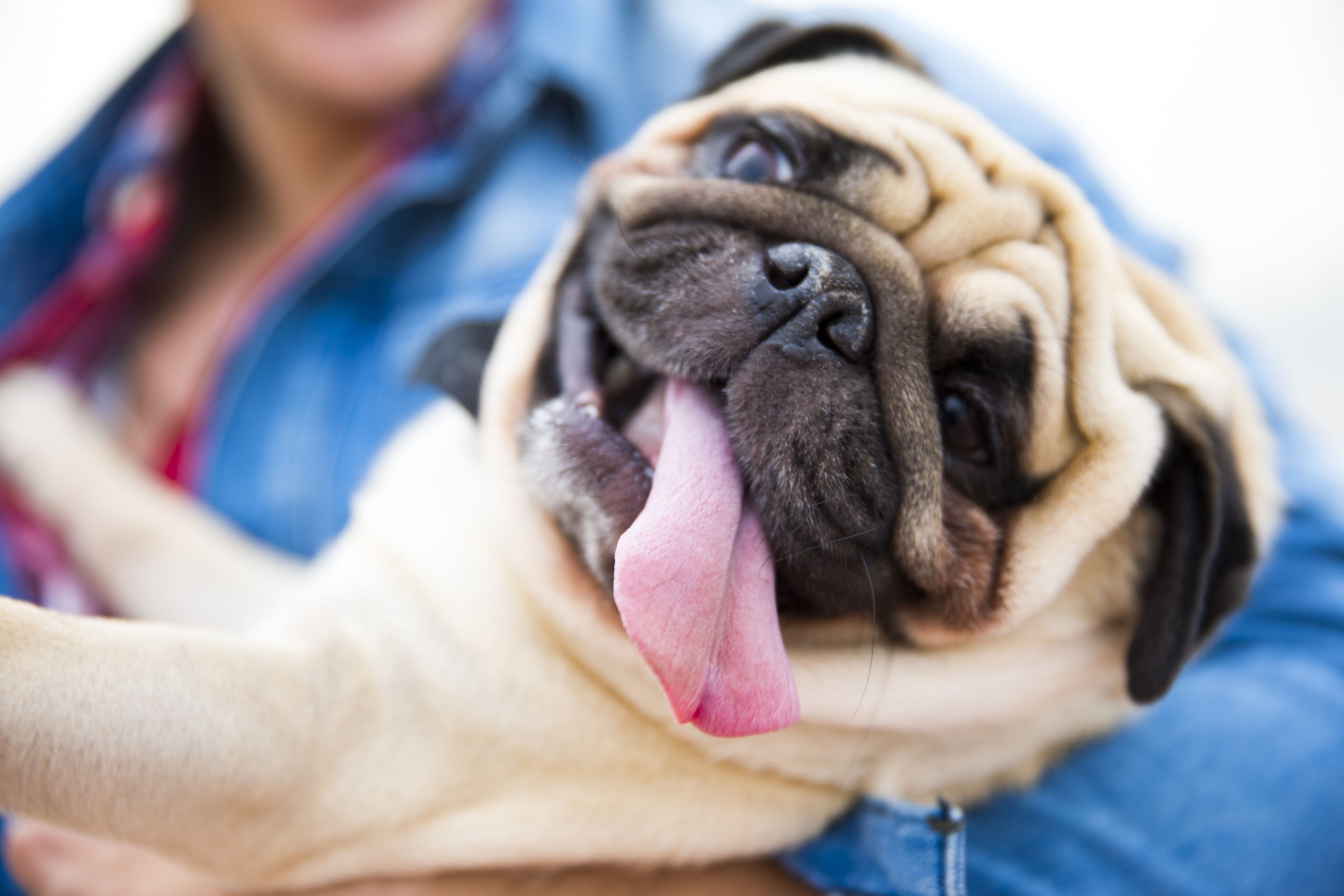
Puppies suffering from moderate to severe dehydration require immediate veterinary attention if they are to survive. Fluid therapy will be required to rehydrate the puppy and return his electrolyte (mineral) balance to normal. Depending on your puppy's needs and what illness caused the dehydration, your puppy may be hospitalized for IV fluids or receive subcutaneous fluids (under the skin) at the vet.
In mild cases where vomiting is not a problem, simply getting the dog to drink water will be helpful. Your veterinarian may prescribe products similar to children's Pedialyte, which also provides lost electrolytes.
The underlying cause of the dehydration will also need to be treated. Specific medication to control diarrhea and vomiting may be required to prevent further fluid loss. Other medications, depending on the diagnosis, such as those to manage diabetes or kidney disease, may also be needed, especially in older dogs.
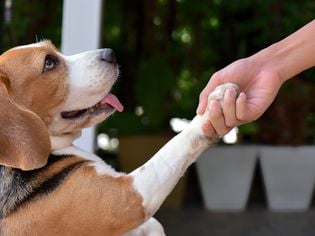
Using positive reinforcement to train your dog means you reward the behaviors you like and ignore the behaviors you do not like. You can use praise, l
Ivermectin is one of the most commonly used heartworm prevention medications used for dogs. It is present in many different heartworm products, includ
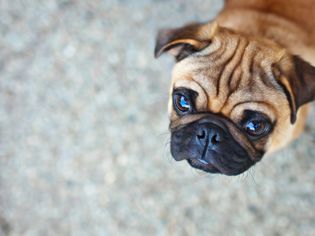
Many dog owners know that antifreeze is poisonous to dogs, but not all people understand how dangerous antifreeze poisoning can really be. Unfortunate
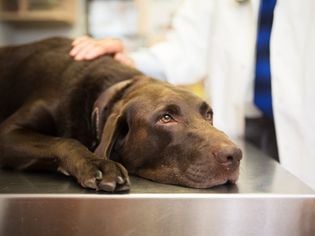
Your dog's environment is filled with potential toxins that can harm your dog. Although you do your best to keep poisonous substances away from yo

Is your dog vomiting? Although dog puke can be messy and unpleasant, the good news is vomiting in dogs is usually not a dire emergency. However, you s
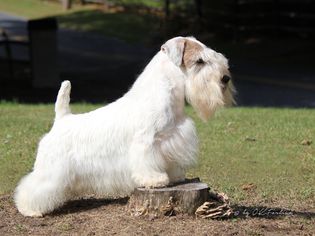
The Sealyham terrier is a small terrier breed from Wales with a wiry double coat, white fur, short legs, and long facial hair that grows in tufts abov

There are many different Yorkie mixes out there. Some have been purposely bred, and others have happened when two dogs accidentally mate. Yorkies are
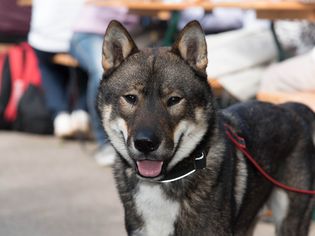
Shikoku (sometimes called Kochi-Ken) are medium-sized spitz dogs from Japan with thick fur, pointed ears, and short, upward-curling tails. These dogs
We are a comprehensive and trusted information platform dedicated to delivering high-quality content across a wide range of topics, including society, technology, business, health, culture, and entertainment.
From breaking news to in-depth reports, we adhere to the principles of accuracy and diverse perspectives, helping readers find clarity and reliability in today’s fast-paced information landscape.
Our goal is to be a dependable source of knowledge for every reader—making information not only accessible but truly trustworthy. Looking ahead, we will continue to enhance our content and services, connecting the world and delivering value.