
How to Leash Train Your Puppy
Leash laws may require your puppy to walk nicely on a leash and know how to heel when off your property. But, even if they don’t, it’s simply polite p
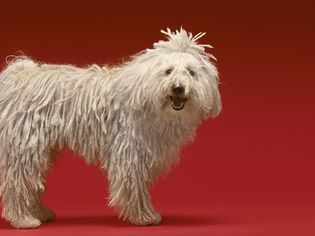
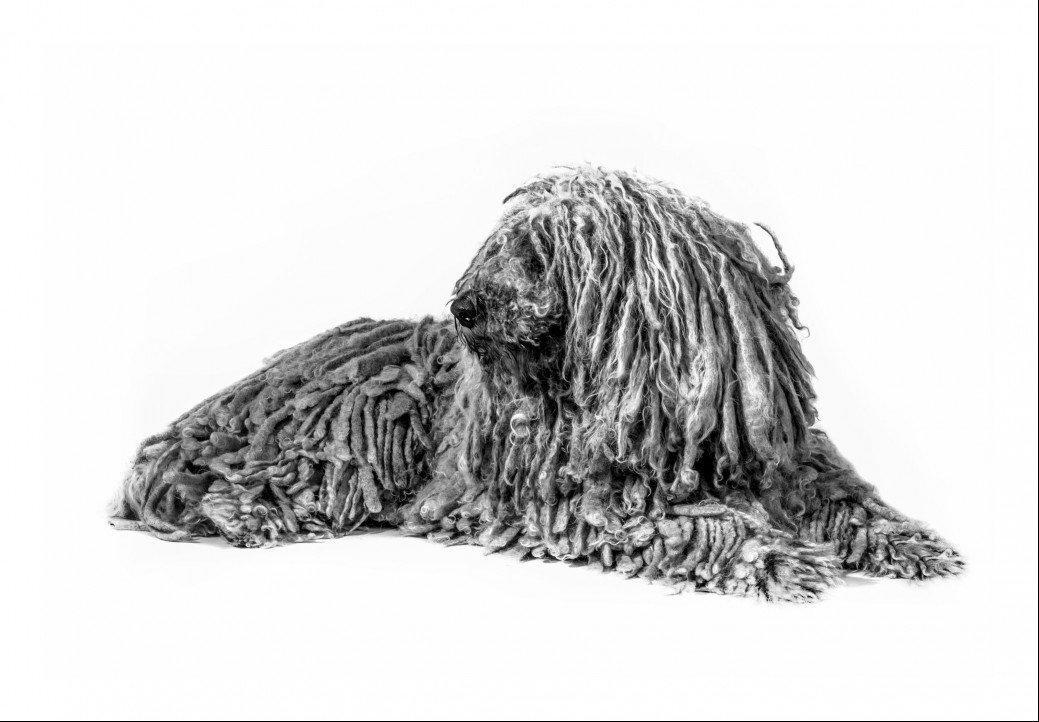
The mop-headed and muscular komondor, also known as the Hungarian sheepdog, is an exceptionally large working dog breed developed in Hungary, and one of the world's most recognizable breeds. It's known for its white corded hair cascading down its body making them unmistakable. Because komondors are bred to be working sheepdogs, their corded locks allow them to blend in with their flock easily while protecting the dogs against extreme weather.
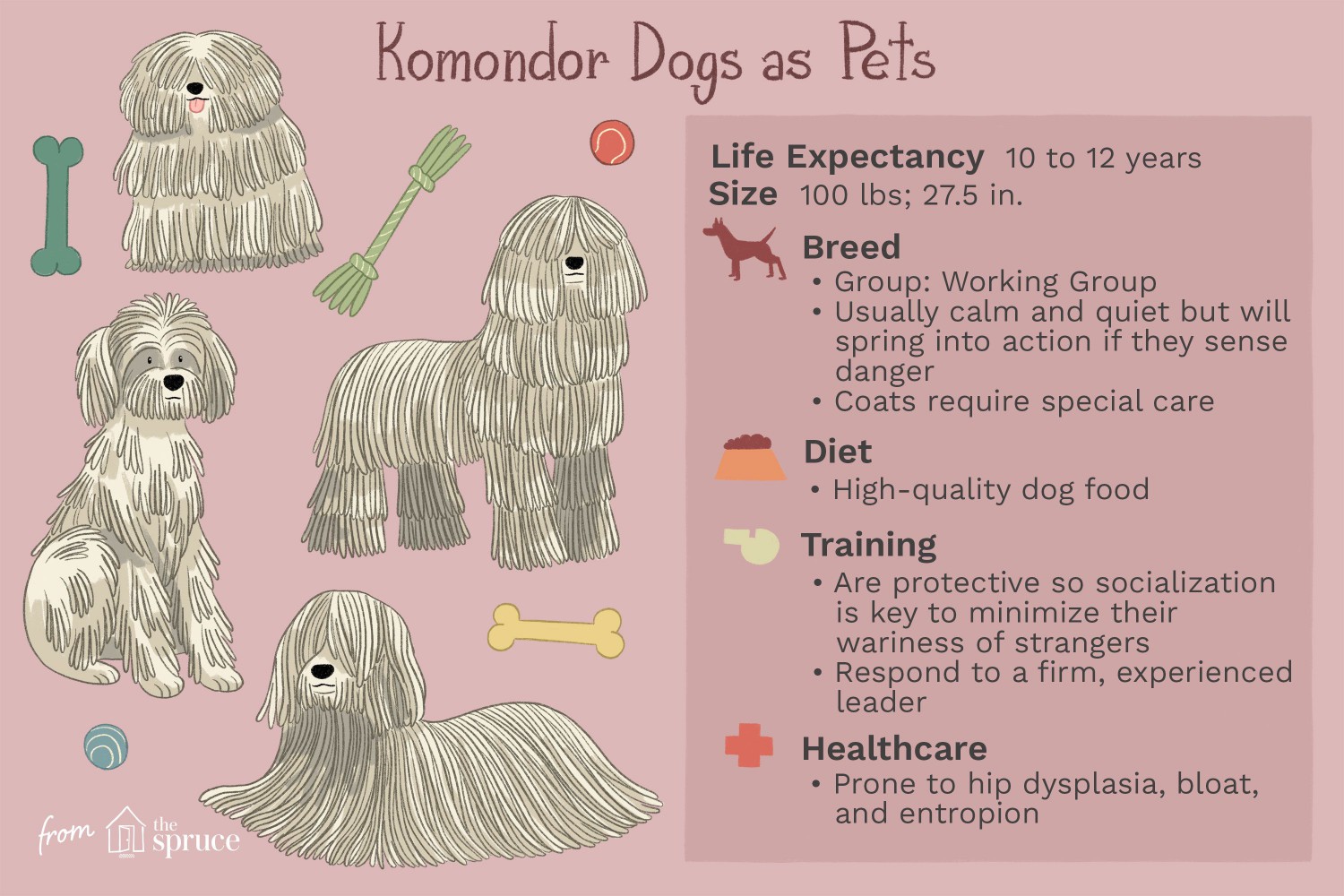
GROUP: Working
HEIGHT: 27 1/2 inches, minimum (male); 25 1/2 inches, minimum (female)
WEIGHT: 100 pounds or more (male); 80 pounds or more (female)
COAT: Long, corded hair
COAT COLOR: White
LIFE SPAN: 10 to 12 years
TEMPERAMENT: Steady, affectionate, fearless, independent, calm, gentle
HYPOALLERGENIC: No
ORIGIN: Hungary
The komondor is a strong, loyal, and independent dog that needs a confident leader to train and care for it, otherwise, it may prove to be an unruly pet. When it finds a match, the intelligent komondor makes a top-notch furry friend. This powerful guardian and beloved pet has a temperament that is calm and quiet until it senses danger and springs into action, fiercely protecting its home and loved ones.
| Affection Level | High |
| Friendliness | Medium |
| Kid-Friendly | Medium |
| Pet-Friendly | Medium |
| Exercise Needs | High |
| Playfulness | High |
| Energy Level | Medium |
| Trainability | High |
| Intelligence | High |
| Tendency to Bark | High |
| Amount of Shedding | Medium |
An ancient breed, komondors are originally from Hungary. Experts believe the breed, descended from the Caucasian shepherd, was brought there by traveling nomads in the 13th century. The breed was revered in Hungary, used for centuries to guard—not herd—flocks of sheep. Their long white coats allow them to camouflage among curly-haired sheep to stealthily attack predators.
The American Kennel Club recognized the komondor in 1937. The breed was nearly wiped out during the World War II era, leaving only a few dozen individual dogs. The breed was slowly re-established in Hungary but remains a fairly rare breed to this day.
A leaping komondor is featured on the cover of the 1996 album Odelay, released by American musician Beck. Since the album was released, the image has become one of the most recognizable covers of all time.
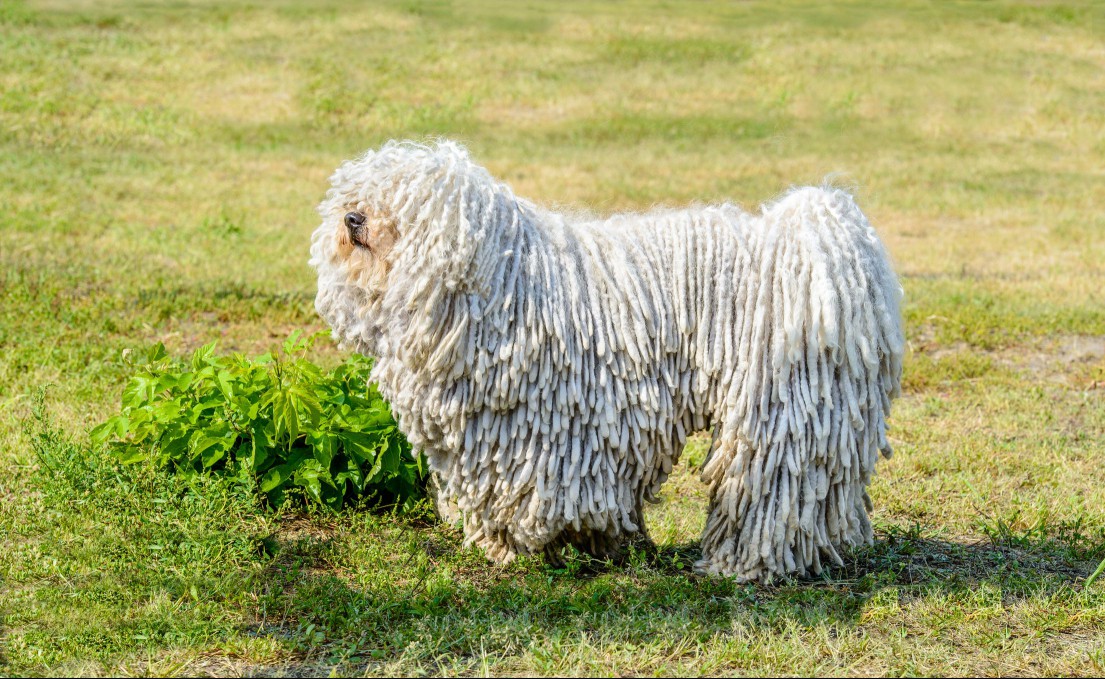
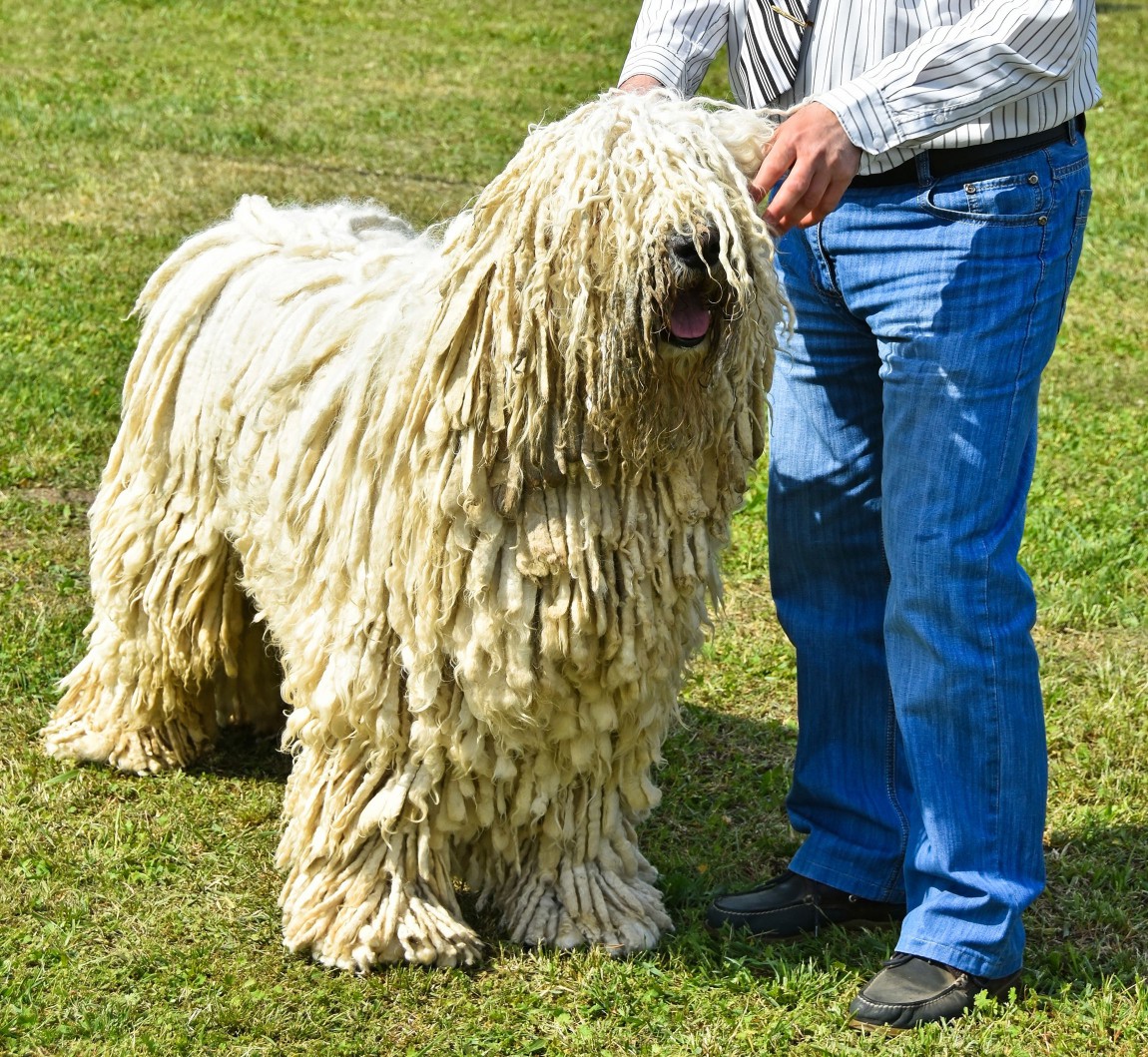
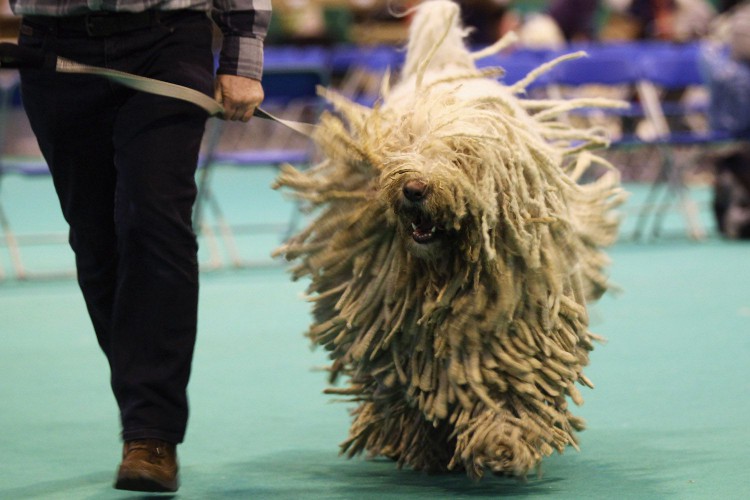
Komondors are not known to be a low-maintenance breed. Their corded hair requires special care, they need regular exercise, and they rely on strong leadership when it comes to training. With proper training, komondors are loving, playful pets.
As expected from canines in the working group, komondors are athletic and agile dogs. They need daily exercise to stay happy and healthy, preferably free runs and one or two leisurely 30-minute walks a day—remember that they were bred to guard sheep, not herd them.
There’s no denying that komondor coats are stunning. To maintain their luscious locks, owners must follow a fairly strict grooming regimen. Experts advise owners to never brush their corded hair but to wash them regularly. Just be sure to rinse them completely free of shampoo and dry thoroughly by squeezing them with towels. The coat could begin to smell like mildew if not dried efficiently. Cords will also need to be kept free of dirt and debris to avoid foul odors—separating the locks can be done easily by hand and should be done every few months.
Early socialization is crucial for komondors. As protective pups, they are often wary of all strangers and tend to bark or lunge. You can minimize this through socialization and obedience training, which works best when started at an early age.
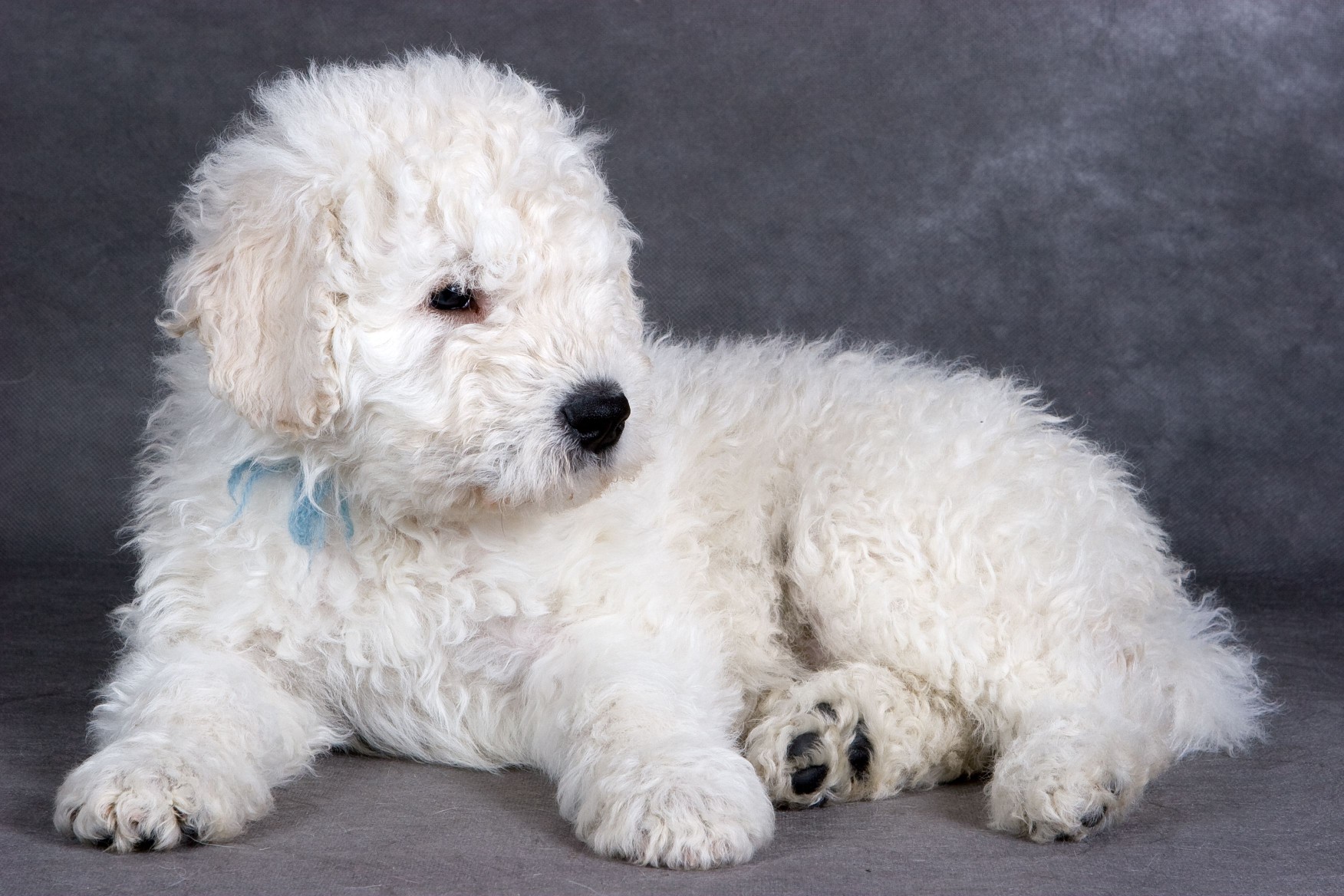

Komondors are generally healthy, but, like all dogs, they may develop a number of health conditions depending on genetics, their environment, and overall care. If you are considering this breed, it’s important to be aware they are subject to conditions such as:
Find a reputable breeder who can provide certificates of health and health clearances for your pup’s parents. That way, you can better understand the health risks associated with your komondor.
The Spruce / Kelly Miller
The amount you should feed your komondor will vary with size, age, and lifestyle, so it’s best to speak with your veterinarian to find the best diet suited to your dog.
Dogs should always be fed a high-quality diet that contains lean proteins and crucial vitamins for optimal health. Again, speak with your veterinarian to determine the best fit.
Determining the best quality dog food can be difficult. As a general rule, look for foods without fillers like modified cornstarch, soybean hulls, and other by-products. Stick to whole ingredients like meat, poultry, fish, fruits, and vegetables.
Some dogs do well on grain-free diets. This varies among individuals, meaning it’s one more thing to ask your vet about.
The komondor is a rare breed that may take time and effort to find, but don’t let that encourage you to purchase or adopt the first one you find. Rescue dogs of this breed may be tough, though not impossible, to come by so you may need to turn to a breeder if your heart is set on a komondor. It’s important to be sure you are getting your dog from a reputable komondor breeder who can provide certificates of health.
You will also want to speak with the breeder to determine the personality of your soon-to-be pet to ensure a happy and healthy life for both of you.
The Komondor Club of America lists breeders who have pledged to abide by the Komondor Club code of ethics, which includes not breeding a dog without an Orthopedic Foundation for Animals registration number, not breeding unregistered dogs, and not shipping puppies before a certain age. If you choose to work with a breeder, expect to pay between $1,000 to $2,000 for your puppy.
For further information to help you find a komondor, check out:
Gentle and affectionate with families, including kids
Easy to train
Loyal and protective
Tends to bark at passersby
Coat requires a fair amount of care
A rare breed and tough to find
The komondor is a unique and powerful breed. Explore these similar breeds:
Are you interested in learning about more dog breeds? You’re in luck! We have plenty of dog breed profiles for you to explore.
This breed responds best to a firm, experienced leader—not a first-time dog owner.
It’s best to avoid taking your komondor to the dog park, as its guarding instinct may kick in, prompting it to react poorly to strange dogs. With proper training, however, it will happily play with furry housemates or other known dogs in the backyard.
Aside from its huge size, a komondor is quick to bark at passersby, which means you and your neighbors in an apartment complex may not be very happy with your dog.
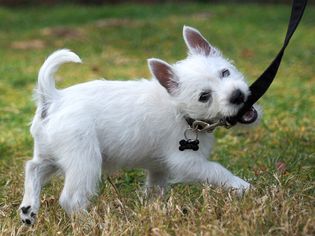
Leash laws may require your puppy to walk nicely on a leash and know how to heel when off your property. But, even if they don’t, it’s simply polite p

Most of us humans enjoy the occasional massage, but why is it that so many dogs enjoy, initiate, and even seem to expect pets on a regular basis? The

Ivermectin is commonly used in both dogs and cats for a variety of different diseases. It's prescribed to treat various types of parasitic infecti

Your dog's environment is filled with potential toxins that can harm your dog. Although you do your best to keep poisonous substances away from yo

Pimobendan is a commonly prescribed heart medication. Although it has its uses in cats with heart disease, there are reasons your vet may or may not w
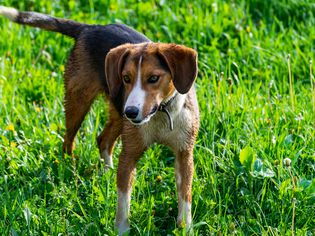
The harrier is a medium-size hound dog breed from the United Kingdom with a short, smooth coat and strong resemblance to beagles and foxhounds. The br
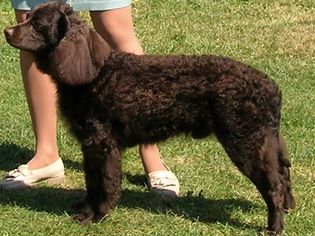
The American water spaniel is a medium-size sporting dog breed from the United States with a medium-length curly coat that doesn’t shed much. The bree
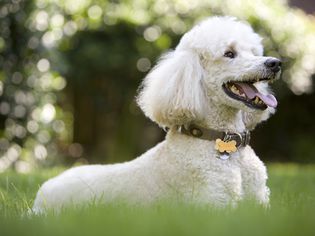
The poodle is an extremely smart, energetic, and friendly dog known for their signature curly coat and three size varieties: toy, miniature, and stand
We are a comprehensive and trusted information platform dedicated to delivering high-quality content across a wide range of topics, including society, technology, business, health, culture, and entertainment.
From breaking news to in-depth reports, we adhere to the principles of accuracy and diverse perspectives, helping readers find clarity and reliability in today’s fast-paced information landscape.
Our goal is to be a dependable source of knowledge for every reader—making information not only accessible but truly trustworthy. Looking ahead, we will continue to enhance our content and services, connecting the world and delivering value.