
Ivermectin for Dogs
Ivermectin is commonly used in both dogs and cats for a variety of different diseases. It's prescribed to treat various types of parasitic infecti

What does it mean when a dog has pale gums? And is there anything you should do about it? Pale gums in dogs are a sign of one or more underlying problems. Normal gums in a dog should have a pink color. Depending on the specific dog, this color usually ranges from a soft pink to bright pink. If you notice that your dog's gums are pale pink or white in areas that are normally pink, this is something that should be addressed immediately. Find out more about the underlying causes for pale gums, how a diagnosis is made, and how this condition may be treated.
There are a number of urgent health concerns that can cause pale gums in dogs. Read on for a few of the most common.
Pale gums are often a sign of anemia in dogs. Anemia occurs when there are not enough red blood cells circulating in the blood. Red blood cells carry oxygen to the tissues of the body. If there are not enough red blood cells, then the body's cells become deprived of oxygen and may die.
Anemia is not a disease in itself, but a symptom of illness. It may be caused by a condition that damages red blood cells or impedes the production of red blood cells. Examples include kidney disease, immune-mediated disorders, infectious disease, and parasite infection. Certain medications and toxins can damage blood cells or prevent their production.
The following conditions are associated with anemia: Blood Loss, Hemolysis, Decreased Red Blood Cell Production, and Shock.
If the dog is losing blood from somewhere in the body, then there is not enough blood to circulate through the body and the dog develops anemia. Blood flow to the mucous membranes decreases, causing them to have a pale appearance. This is most easily observed in the gums.
Blood loss may be caused by an external or internal injury. Trauma is a common cause of blood loss in dogs. Certain disease processes may also cause blood loss in dogs.
Dogs with bleeding in the gastrointestinal tract may be reacting to a medication or experiencing a GI illness. Obvious blood may appear in the stool or in vomit. Digested blood will make the stool appear black and tarry.
Lysis, or damage to red blood cells can also cause anemia. Hemolysis can occur as a result of autoimmune disease (autoimmune hemolytic anemia), due to blood parasites (babesiosis), as a result of exposure to chemical or toxins (zinc, rat poison, snake venom, onion, or garlic), or due to cancer.
As a result of chronic diseases of the bone marrow, kidneys or liver, a dog may not produce adequate amounts of red blood cells. Additionally, decreased red blood cell production can be associated with poor nutrition/nutritional imbalances, autoimmune disease, hypothyroidism, exposure to chemicals or toxins, and cancer.
Shock causes a sudden drop in blood flow throughout the body, leading to organ and tissue damage. It may be caused by a disease process or trauma. Shock is a serious emergency condition and should be addressed by a veterinarian immediately.
If you notice your dog has pale gums, look for other signs of illness and check for bleeding injuries. If your dog is acting otherwise normal, then you should contact your veterinarian for advice. Normal pigmentation can cause some of the gums to appear black, so look for lighter spots on the gums or the area under the tongue to try and find the non-pigment areas. These should be pink and moist. If you press your finger on a pink area of the gums, the spot should turn white and return to pink within about a second.
You may also notice that the mucous membranes of the eyelids are pale. If your dog normally has a pinkish nose and/or tongue, then you may find that they appear pale as well.
If your dog is exhibiting other signs along with pale gums, then you should get to your veterinarian right away. If it happens when your vet is closed, then you should contact the nearest open emergency veterinarian.
The treatment for a dog with pale gums depends upon the underlying cause. Your vet will begin with an examination and discuss your dog's signs. Blood tests will be needed to check blood cell counts (including red blood cells) and to assess organ function. In some cases, the dog will need to be admitted to the hospital for treatment and supportive care.
If the pale gums are caused by blood loss, then the dog may need a blood transfusion to replace the lost blood.
Medications and/or surgery may be needed to treat the main cause of blood loss. In cases where the red blood cells are being destroyed or not being properly created, then long term medications may be needed.

Ivermectin is commonly used in both dogs and cats for a variety of different diseases. It's prescribed to treat various types of parasitic infecti
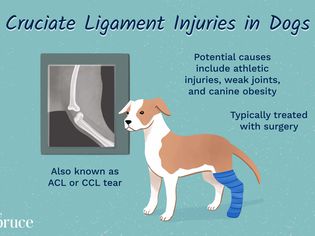
A ruptured cruciate ligament is a painful orthopedic problem that can cause your dog to suddenly start limping on one of its back legs. Though th

It may seem like your dog is panting for no reason, but panting is a common dog behavior that always has a cause. To figure out why your dog is pantin

The Scottish deerhound is a large dog breed from Scotland with a long and lean physique much like a greyhound. Among the tallest of all dog breeds, th

Native to England, miniature bull terriers (or MBTs) are compact dogs with triangular eyes, egg-shaped heads, stout builds, short fur, and larger-than

German shepherd dogs are one of the most popular breeds in the world, treasured for their intelligence, loyalty, and athleticism. They're large br

The Vizsla is a medium-sized dog with a long history originating in Hungary. This dog is muscular with a smooth, dense coat in shades of russet.

The Great Pyrenees was historically used as a flock guardian, watching over and protecting sheep from any threats, including theft and predators. The
We are a comprehensive and trusted information platform dedicated to delivering high-quality content across a wide range of topics, including society, technology, business, health, culture, and entertainment.
From breaking news to in-depth reports, we adhere to the principles of accuracy and diverse perspectives, helping readers find clarity and reliability in today’s fast-paced information landscape.
Our goal is to be a dependable source of knowledge for every reader—making information not only accessible but truly trustworthy. Looking ahead, we will continue to enhance our content and services, connecting the world and delivering value.