
How to Safely Use a Retractable Dog Leash: Tips from a Professional
There are many types of dog leashes out there, and if you're a new dog parent, you may be wondering what type of dog leash is best for you and your pu
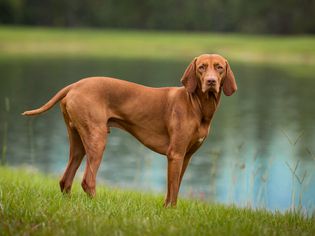
The Vizsla is a medium-sized dog with a long history originating in Hungary. This dog is muscular with a smooth, dense coat in shades of russet. Known for their pointing and retrieving skills, they were prized and versatile hunters, often mistaken for pointers or Weimaraners because they are both part of the sporting group and have physical similarities.
Today, the Vizsla has evolved as a popular, loving, beautiful, and active companion. Here’s what you should know about this breed before bringing one home.
GROUP: Sporting
HEIGHT: 22 to 24 inches (males); 21 to 23 inches (females)
WEIGHT: 55 to 60 pounds (male); 44 to 55 pounds (female)
COAT: Smooth, short, and dense
COAT COLOR: Varying shades of golden rust in color
LIFE SPAN: 12 to 14 years
TEMPERAMENT: Affectionate, loyal, gentle, energetic
HYPOALLERGENIC: No
ORIGIN: Hungary
Vizslas are exceptionally companionable and form strong bonds with their family members. In fact, they are so devoted that they are often referred to as “Velcro dogs” because they cling to their family. As outgoing pets, they can become attached to one person who looks after them the most, or they can bond with everyone in the family.
These dogs tend to be friendly with people and other dogs (and cats) in general and thrive in company. This means that they can be prone to developing separation anxiety if left on their own too much, and they are best suited to a household where they will have someone around most of the day.
| Affection Level | High |
| Friendliness | High |
| Kid-Friendly | High |
| Pet-Friendly | Medium |
| Exercise Needs | High |
| Playfulness | High |
| Energy Level | High |
| Trainability | High |
| Intelligence | High |
| Tendency to Bark | High |
| Amount of Shedding | Low |
The Vizsla has an ancient and noble heritage. It is believed that their origins can be traced as far back as the 8th century. It was during this time that the Magyar clans in Hungary were established and they needed dogs with stamina, speed, athleticism, and courage to aid them with their hunting. This is why they are often referred to as the Magyar or Hungarian Vizsla.
There are even stone etchings dating back to the 10th century that feature a Magyar tribesman, his falcon, and a dog that closely resembles a Vizsla.
As the centuries moved on, these dogs became prized possessions of Hungarian noblemen. They continued to refine the breed's hunting skills and temperament so that it more closely resembled the modern-day Vizsla that has won the hearts of many.
By the late 19th century, the population of Vizslas had dramatically declined, and they were on the verge of extinction. The dedication of breed enthusiasts meant the breed was able to escape this fate, and the demand for this dog has since continued to grow again.
The first Vizslas arrived in the United States in the mid-20th century. They gained recognition by the AKC in 1960, and continue to be a popular breed in North America and Europe.
The Vizsla is regarded as an adaptable, affectionate, and active breed. They are best suited to living in an active home that enjoys a consistent outdoor lifestyle that includes hiking, for example. They are very energetic and if they do not get enough daily exercise and stimulation, they can become easily bored and destructive in the home. In addition, they are known to be excellent chewers, so make sure you have lots of safe and interactive toys for them to engage with.
This breed excels in competitive sports and can make great agility dogs. Their hunting, pointing, and retrieval skills mean they also do well in scent work trials, and they are often great lovers of water.
Vizslas are known for their stamina and athleticism and love to run, so you will often see advice from owners that this breed needs hours every day running around outdoors. A quick walk around the block will not be enough. However, this type of energy makes them a popular choice if you enjoy the sport of Canicross (running with your dog).
Vizslas do not have a high maintenance grooming regime. They have a short coat that will only need brushing around once a week to lift out dead hair and keep the coat in good condition. They are not known for excessive shedding, either.
Vizslas are intelligent and eager to please. Making sure you give them enough mental stimulation is important to prevent problem behaviors from surfacing. They respond extremely well to positive methods of dog training. With the right guidance, they will pick up commands and training cues very quickly. And because they are happiest when working, you can even train them to be hunting dogs or emotional support dogs.
They are also quite a communicative breed and can be prone to alert barking, howling, and other vocalizations. You will need to make sure that you do not accidentally reinforce these behaviors, as they can then become a problem. Always reward your Vizsla for being quiet and ask for an alternative behavior to keep their barking under control.



Vizslas are known for being a generally healthy breed. They do have some health conditions that they can be more genetically predisposed towards.
Making sure you find a reputable breeder that performs health checks on prospective parents will help to reduce the risks, but some of the conditions they are known for include:
As with any dog, you should feed your Vizsla a high-quality and properly portion-controlled diet.
Vizslas, with their deep chests, are recognized as being more at risk from the life-threatening condition referred to as bloat. Therefore, it is best to feed them at least twice a day, rather than one large meal, as doing so can help to minimize the chance of bloat occurring. If they are prone to gulping their food down, encouraging them to eat more slowly from a slow feeder or interactive treat toy could also help.
If you buy from a breeder, expect a Vizsla to be quite inexpensive, with prices ranging from $500 up to $1,700.
Whatever puppy you are planning to bring home, you should do your research and find a good breeder. You should be able to see the puppies together with their mother in a nurturing home environment. They shouldn't be allowed to come home with you until they are at least 8 weeks old.
Before searching for a Vizsla, remember that the breed needs an owner willing to commit to intense playtime and attention every day. If you feel confident handling this breed, contacting the Vizsla Club of America could be a good place to start your research.
Don't rule out offering a Vizsla a forever home through adoption. This can be a rewarding experience. The Vizsla Club of America is involved directly in breed rescue. There are also other breed-specific rescues across the country to reach out to, including New Hope Vizsla Rescue. Don't forget to check for the breed at your local rescue shelter, too.
If you’re looking for an ultra-loving dog that will thoroughly enjoy doing things with you, the Vizsla could be the perfect choice. Just be prepared to devote enough time and energy towards their needs, including their training and exercise requirements, as these smart dogs need plenty of mental and physical stimulation.

If you are interested in dogs similar to the Vizsla, you could also consider the following breeds:
There are lots of wonderful dog breeds out there. By doing your research, you will find one that will be best suited to having a forever home with you.
Vizslas are affectionate towards their owners and can make wonderful family pets. Just keep in mind that this breed needs a lot of time and attention, so a busy family with children might not be able to give their dog what they need daily. Also, these dogs love to play and are gentle with kids, but it’s always best to supervise small children around your dog to ensure they don’t accidentally get hurt by their high-energy pet.
The Vizsla is not considered to be a rare breed. However, the closely related wirehaired Vizsla breed, with shaggy facial hair and eyebrows, is indeed a rare find, and is also not as popular as the short hair Vizsla breed.
You may find lots of contradictory information about whether or not a Vizsla is a good apartment dog. The bottom line: if you have access to a park or good outdoor area and can give your Vizsla adequate time and attention, then any size apartment will be fine for this medium-size breed. However, this breed tends to be very vocal and barky, which many apartment-dwelling neighbors may not appreciate so much.

There are many types of dog leashes out there, and if you're a new dog parent, you may be wondering what type of dog leash is best for you and your pu

A beloved pet is impossible to forget, especially when they grow up alongside us in our most formative years. Supermodel Taylor Hill adopted her "

Whipworms can make puppies feel awful. They cause stomach upset and diarrhea, and they can prevent puppies from gaining weight, With a severe infestat

Macadamia and other potentially toxic nuts, can be found in many households, and can unknowingly be given to your pets as treats. The best way to prev

Lupus is a disease that affects the immune system of a dog by attacking its tissues. There are two types of lupus, and one of them, systemic lupus ery
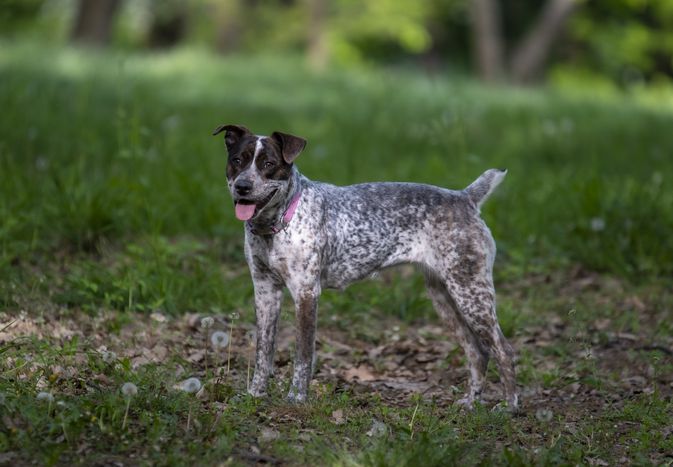
Mixed-breed dogs are canines whose appearance, traits, and personality derive from two or more parent breeds. They aren't hard to find. You can he
If you’re on the hunt for an active, go-anywhere dog who’s also a quick study, consider one of the many types of heelers and related herding breeds. T

Dogs have been working in the service of humans for as many—if not more—years than they’ve been serving as our sweet and loyal pets. And for people wi
We are a comprehensive and trusted information platform dedicated to delivering high-quality content across a wide range of topics, including society, technology, business, health, culture, and entertainment.
From breaking news to in-depth reports, we adhere to the principles of accuracy and diverse perspectives, helping readers find clarity and reliability in today’s fast-paced information landscape.
Our goal is to be a dependable source of knowledge for every reader—making information not only accessible but truly trustworthy. Looking ahead, we will continue to enhance our content and services, connecting the world and delivering value.