
How to Safely Break Up a Dogfight
Dogs may fight over territory, to protect their families, and because of overstimulation. Despite how it may look to humans, dogs don't fight without
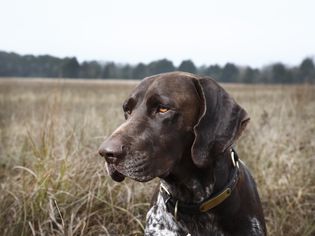
Actinomycosis is a complex and serious infection. Actinomyces are bacteria that naturally live in dogs' mouths and nasal passages, but they can wreak havoc when they enter other regions of the body through wounds. Different species of Actinomyces can cause infections, some of which can penetrate deep within the body cavity or bones and be fatal—even with aggressive treatment. Early treatment with targeted antibiotic therapy offers dogs the best chance of recovery.
Actinomycosis refers to the infection that can occur in dogs when Actinomyces bacteria penetrate the skin (via another animal's bite) or migrate into the body cavity or bones through the bloodstream.
Dogs that are allowed to roam outside without supervision are most at risk for experiencing an injury that precipitates actinomycosis.
The signs of bacterial infections typically depend on the location of the infection. Visible infections are often subcutaneous (under the skin) but may also involve the surface of the skin. These can look like wounds or areas of swelling. They may appear as firm or soft swelling. They may or may not be ulcerated on the surface. A discharge may be present. Discharge consistency and color can vary from watery and pinkish or red (serosanguinous) to thick and yellow or green (pus). The discharge may have a foul odor, especially if it looks like pus.
Actinomycosis may also occur in the face, head, mouth, or airway of a dog. You may notice signs like coughing, sneezing, or abnormal breathing. A discharge may be present from the nose or mouth or eye area. Your dog may even have trouble eating or swallowing.
If actinomycosis is present inside the body where it cannot be seen by the naked eye, your dog may show various signs of illness, like lethargy, loss of appetite, and weight loss. Pneumonia may occur secondary to actinomycosis.
Because actinomycosis is a bacterial infection, many dogs will develop a fever at some point. Some or all of your dog’s lymph nodes may become enlarged (called lymphadenopathy). Lymph nodes are located all one your dog’s body, but the easiest ones to find when swollen are the submandibular (right and left side of the head near where the back of the jaws meets the neck), axillary (armpits), and popliteal (back of the knees) lymph nodes.
Be sure to contact your veterinarian right away if you notice any wounds, swelling, or signs of illness in your dog.
Actinomycosis is most commonly caused by a penetrating wound, which can come from a variety of sources, such as;
If you suspect your dog has a bacterial infection, contact your veterinarian as soon as possible. Your vet will need to see your dog to make an accurate diagnosis and begin the appropriate treatment.
During the visit to your veterinarian’s office, recount your dog’s recent activities. The veterinarian will perform a complete physical examination. If the site of suspected infection is located, your vet may perform a culture of the wound to microscopically determine the types of bacteria present.
Depending on the severity of the infection, your vet may also perform laboratory tests. Blood chemistry and complete blood count (CBC) will likely be recommended to assess your dog’s organ function, blood cell counts, and overall health. If your vet notes or suspects any internal abnormalities, x-rays may also be recommended.
Treatment of a bacterial infection depends on the type of bacteria present and the severity of the infection. For mild to moderate infections, antibiotics may be the only treatment necessary. Penicillin is the antibiotic of choice for actinomycosis. However, your veterinarian may prescribe a different antibiotic depending on the culture results, the nature of the infection, and your dog's medical history. The necessary course of antibiotic treatment typically lasts several weeks.
For more serious or invasive infections, surgical intervention may be necessary. Surgical treatments vary depending on the location and severity of the infection. For severe skin infections, the vet typically clears away the dying tissue to promote new tissue growth (this process is called debridement). If tissue damage has caused pockets under the skin, a surgical drain may also be placed. Some wounds will be partially sutured closed while others must be left open to heal.
If the bacterial infection is present inside a body cavity, like the abdomen, then the veterinarian may need to surgically remove it. This type of surgery may also require a surgical drain.
For rare major infections, your primary care veterinarian may recommend referral to a veterinary surgeon. These specialists are board-certified in veterinary surgery and know how to handle the most serious surgical procedures.
Recovery from actinomycosis and other bacterial infections can take weeks to months. Your dog will need to be on a long course of antibiotics. Other medications may be prescribed for pain management. Your dog will need to be hospitalized for several days if surgical treatment is necessary.
Expect to return to the vet frequently for follow-up exams and treatments. It is essential that you comply with your vet’s instructions if you want your dog to recover. Communicate about any difficulties you are having so your vet’s office can help you make adjustments.
Most dogs will recover from actinomycosis infections that are identified and treated early, Unfortunately, severe cases are often fatal despite aggressive antibiotic treatment.
The best way to prevent actinomycosis and any other type of bacterial infection in your dog is to detect problems early. If your dog is bitten by another animal, seek immediate veterinary attention. Animal bites can turn serious very quickly. Even if you can administer first aid on the scene, you should still follow up with a veterinarian.
Inspect and groom your dog well after spending time outdoors, especially if your dog has been in an area with tall grasses or similar plants. Most penetrating foreign bodies are difficult to see with the naked eye, but you may be able to brush or comb them off. This process can also help you detect parasites like fleas or ticks.
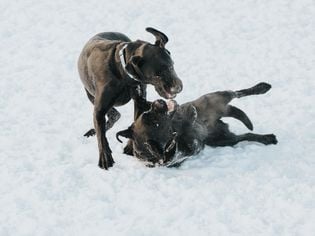
Dogs may fight over territory, to protect their families, and because of overstimulation. Despite how it may look to humans, dogs don't fight without
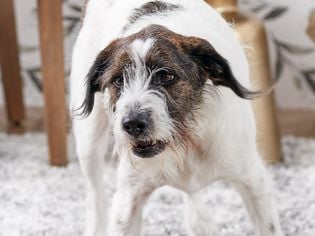
Dogs growl as a way to communicate. Growling indicates pain, fear, possessiveness, aggression, or that a dog is having fun. You have to identify the r

A big part of every puppy's early education should involve learning how to use its teeth. Mouthing and biting are natural puppy behaviors, but it&

It’s all-too-tempting to recreate that Lady and the Tramp scene with your pup, sharing a plate of pasta and almost smooching their adorable nose. It u

Dogs and cats are curious by nature, particularly when it comes to food. They're also very good at begging for a taste of whatever we may be eating or
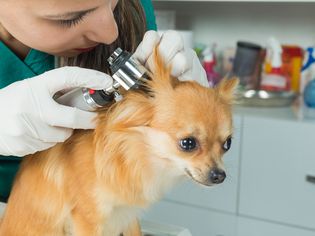
Ear yeast infections are very common in dogs. Dogs with floppy or hairy ears are particularly vulnerable because their ears trap moisture. The moist e
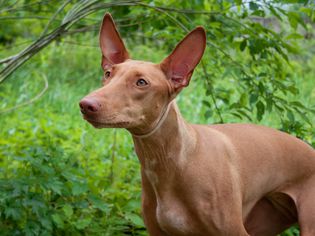
The Pharaoh hound is a medium-sized dog breed from Egypt with a long, thin build, large pointed ears, and a short, glossy coat. This breed has been us
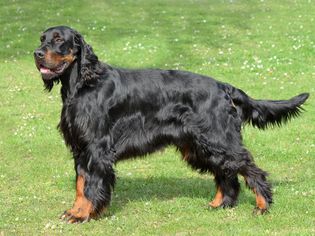
The Gordon setter is a medium-large sporting dog breed from Scotland with a silky, medium-length double coat that comes in black with tan accents. The
We are a comprehensive and trusted information platform dedicated to delivering high-quality content across a wide range of topics, including society, technology, business, health, culture, and entertainment.
From breaking news to in-depth reports, we adhere to the principles of accuracy and diverse perspectives, helping readers find clarity and reliability in today’s fast-paced information landscape.
Our goal is to be a dependable source of knowledge for every reader—making information not only accessible but truly trustworthy. Looking ahead, we will continue to enhance our content and services, connecting the world and delivering value.