
Can Dogs Eat Pineapple?
Nothing is quite as refreshing on a hot summer day as fresh pineapple. Being rich in vitamins and antioxidants, this fruit can be a tasty summertime s

Dogs, just like people and other animals, can get frostbite. While many dogs can handle cold temperatures better than most humans, they are still susceptible to the dangers of extreme cold.
Fortunately, frostbite is not especially common in dogs. It turns out that the paws of dogs (and similar animals) have a unique arrangement of blood vessels and fat that help keep the area warm. This may explain why many dogs are able to walk on cold surfaces better than we humans can barefoot. However, this trait varies from dog to dog, and certain breeds may be more or less adaptable to walking on cold ground.
Some dogs enjoy cold weather, and many breeds are more tolerant of the cold than others, such as Siberian huskies and Alaskan Malamutes. But loving the cold doesn't mean they can tolerate frigid temperatures, so it's important to prevent prolonged exposure to cold. Here are the facts about frostbite in dogs.
Frostbite is damage to the skin and tissues in the body due to exposure to cold temperatures. In dogs, frostbite is most likely to affect extremities and thinly haired areas such as the ears, tail tip, nose, eyelids, and paws. The fluids within the tissues of these areas can swell and freeze, interfering with blood circulation. In serious cases, frostbite can cause permanent tissue damage that may lead to the loss of that body part.
Dogs with frostbite may experience several symptoms, but these vary depending on the severity and location. In most cases, the affected area will feel cold to the touch and possibly brittle or firm. The area is often painful for the dog. You may notice skin discoloration as well as blisters or ulcers. If enough damage has been done, the skin may appear black—a sign of necrosis (tissue death).
Frostbite occurs when dogs are exposed to cold temperatures for too long. This can happen from spending too much time in extremely cold temperatures or having prolonged direct contact with a cold surface. Exposure to very cold water can lead to hypothermia (low body temperature) and frostbite—something that can easily happen if a dog falls into an icy lake or pond. Wet fur will make hypothermia and frostbite develop more rapidly.
When a dog gets too cold, the body directs blood flow to its core to keep warm and maintain vital organs. This reduces blood flow to extremities such as the ears, paws, and tail. These areas can actually begin to freeze, leading to tissue destruction.
Frostbite can develop in an extremity if it remains in contact with a cold surface or cold water, even if the dog's internal body temperature is normal. Surfaces may include ice, snow, or even cold metal. The direct contact literally freezes the tissues and causes damage. Direct-contact frostbite may even occur if ice packs are used directly on the skin.
Contact your veterinarian if you think your dog may have frostbite or hypothermia. Do not attempt to treat frostbite on your own without specific instructions from your vet. It's important to act fast to prevent further tissue damage that may result in a loss of that body part and potential infection.
The vet will conduct a thorough examination and determine if further testing is necessary. They may recommend blood tests to look for internal problems caused by hypothermia. If an infection is suspected, your vet may collect a sample for a culture.
If you suspect frostbite or hypothermia, bring your dog indoors to a warm area. Do not massage the affected area as this can cause further tissue damage. You can provide warm blankets or towels for your dog, but do not apply direct heat or topical medications (this includes hair dryers). Contact your vet immediately for further instructions.
Your veterinarian may recommend a number of treatments depending on the severity of the frostbite. Because this is a painful condition, your vet will likely begin by giving your dog pain medication. Further treatments may include:
Dogs with moderate to severe frostbite may need to be hospitalized for treatment. After your dog goes home, be sure to follow your vet's instructions for home care and follow-up visits.
Fortunately, most dogs recover from frostbite if they receive proper veterinary attention. However, major infections can occur and may even result in death in extreme cases. There may be permanent damage if the frostbite was severe, including loss of a body part. If a limb was lost, your dog will gradually adapt to life on three legs with a little help.
The best way to prevent frostbite in your dog is to avoid spending too much time in frigid temperatures. Take steps to protect your dog in cold weather. If it's below freezing or low wind chill, limit outdoor time to five minutes. A dog coat or sweater can help prevent general hypothermia. Booties are helpful if your dog will tolerate them. Keep your dog from standing on icy surfaces for any period of time, and keep your dog away from frozen bodies of water.
You might also consider carrying a pet first-aid kit that includes warm packs.

Nothing is quite as refreshing on a hot summer day as fresh pineapple. Being rich in vitamins and antioxidants, this fruit can be a tasty summertime s

While advances in veterinary medicine are allowing your pet to live a longer, healthier life, the most difficult decision you can make regarding your

Most of us lead very busy lives. Whether you’re out running errands or you’re stuck at the office, you might begin to worry about your dog as the time

Chocolate poisoning is common in dogs around certain holidays—Halloween, Thanksgiving, Christmas, Valentine’s Day, and Easter—when lots of candy is av
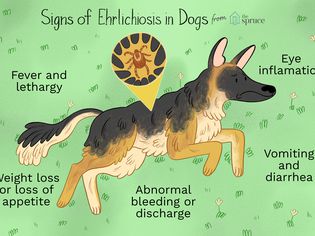
Ehrlichiosis is a disease spread to dogs by ticks. The bacteria carried by the tick attacks a dog's white blood cells and can cause symptoms such

The Pharaoh hound is a medium-sized dog breed from Egypt with a long, thin build, large pointed ears, and a short, glossy coat. This breed has been us
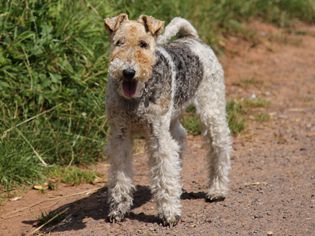
A mainstay of traditional British fox hunts, fox terriers are small-to-medium dogs from England with long faces, short legs, and either wiry or s

Shikoku (sometimes called Kochi-Ken) are medium-sized spitz dogs from Japan with thick fur, pointed ears, and short, upward-curling tails. These dogs
We are a comprehensive and trusted information platform dedicated to delivering high-quality content across a wide range of topics, including society, technology, business, health, culture, and entertainment.
From breaking news to in-depth reports, we adhere to the principles of accuracy and diverse perspectives, helping readers find clarity and reliability in today’s fast-paced information landscape.
Our goal is to be a dependable source of knowledge for every reader—making information not only accessible but truly trustworthy. Looking ahead, we will continue to enhance our content and services, connecting the world and delivering value.