
Crate Training Your Puppy
There are a number of reasons to crate train your dog. Most puppies and adult dogs feel more secure in a small, enclosed den-like area, and young pupp
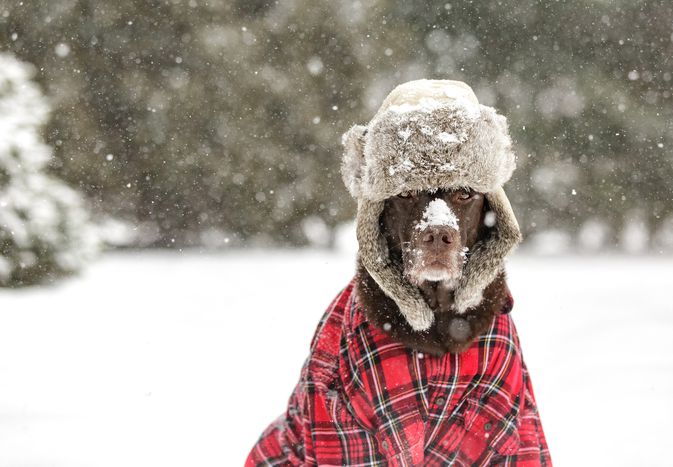
As cold weather descends on some parts of the country, you may be prepping your winter gear and considering how best to keep your pup warm, too. The change of seasons can bring a number of important considerations for our pets including how best to protect their paws from snow and ice melt products, traffic safety for walks after early sunsets, and how to keep our dogs warm on the coldest of days.
For dogs that spend lots of time outdoors, or that live in areas with especially cold temperatures, hypothermia is an important consideration. Prolonged exposure to the cold can lead to a number of problems related to low body temperature.
Read on to learn more about hypothermia in dogs and how to keep your dog safe.
The formal definition of hypothermia is when a person or animal’s body temperature drops below the normal healthy range. For dogs, a healthy body temperature is between 100-102.5 degrees Fahrenheit. While there can be some slight variations between dogs, a body temperature of 98 degrees Fahrenheit or lower is considered truly hypothermic.
There are very well-documented physical changes that occur as body temperature drops and the lower the temperature goes, the more serious the effects. In the early stages of hypothermia, dogs will feel uncomfortably cold and their body will attempt to conserve heat. If their temperature drops further, these internal measures to conserve heat begin to falter, resulting in serious complications from low heart rate to loss of consciousness and possibly death.
Hypothermia can be caused by external and internal factors. Most of us probably think of hypothermia as the result of exposure to the cold. This usually requires prolonged exposure where an animal is outside for long periods of time without access to shelter or proper protective layers to keep warm. There is an increased risk of hypothermia in dogs with wet fur, a lack of body fat, and in animals that are especially young, elderly, or otherwise medically compromised.
Hypothermia can also result from certain health conditions that affect the body’s ability to maintain a normal body temperature, as well as from certain medications and/or toxins. A common example we see in veterinary medicine is hypothermia from certain sedatives, anesthetic drugs, and surgical procedures. Risk factors for hypothermia include prolonged exposure to cold temperatures, especially if there are wet conditions like freezing rain or snow.
Additionally, while some dog breeds are built for the cold, other breeds that have very short coats, no fur at all, limited body fat, and/or are small such as miniature and toy breeds, may be more susceptible to hypothermia as they lose more heat from their bodies.
Finally, very young puppies, senior dogs, and dogs with certain medication conditions including hypothyroidism, heart disease, and/or kidney disease may also be at risk for low body temperature.
Hypothermia in dogs starts with more mild signs and becomes more severe over time.
It is important to notice the early signs and intervene quickly to avoid more serious complications. Early signs of hypothermia include the body’s attempt to conserve heat and prevent additional heat loss.
If a dog does not successfully warm up and their body temperature drops below 94 degrees Fahrenheit, their ability to thermoregulate, or trigger these heat conservation steps, starts to falter. As a result, their overall body temperature drops lower, they may become lethargic and/or confused, their heart rate and breathing will slow, and they can be at high risk for coma or even death without aggressive treatment.
Quick action can save your pup from serious complications of hypothermia. If you notice that your dog is showing signs of early hypothermia including shivering, make every attempt to quickly warm them up. The best option is to get indoors to a warm place and dry them off if they are wet.
You can also wrap your dog in blankets and place booties or socks on their paws to help them warm up, which is known as a passive warming technique. If your dog is not warming up, continuing to shiver, and/or has very cold extremities including their ears and paws, you may want to add on an active warming technique.
Active warming techniques include introducing a heat source like a heating pad or a hot water bottle. These tools are very helpful but also carry some risks. They should never be placed directly on your dog as they can result in severe burns, especially for dogs that are too lethargic or compromised to easily move away as they warm up. Always wrap these devices in a thick layer of fabric like a towel or blanket before placing them near your dog. In cases of severe hypothermia, these devices can put dogs at risk for shock if their blood vessels dilate too quickly as a result of rapid warming.
Any case of severe hypothermia, such as dogs that were outside in the cold for hours without protection, dogs that are showing signs like lethargy, coma, or lack of responsiveness, and/or dogs with underlying conditions that make them more vulnerable to hypothermia, need immediate veterinary care. In the veterinary setting, they can be actively warmed while also monitored and/or treated for signs of shock.
The main goal of treatment is to warm the body up to the normal range. For mild cases of hypothermia where dogs are still actively trying to conserve heat through shivering, home care may be sufficient, but any dog with severe signs needs immediate veterinary attention.
At home, focus primarily on passive warming. This means using blankets, dog sweaters, and socks or booties to prevent additional heat loss and allow the body to slowly warm up. Active heating methods like heating pads and hot water bottles should only be used as a last resort as these can cause unwanted complications. Never place an active heat source directly on your dog’s body; always wrap them in a thick blanket or towel to avoid burns.
Additionally, do not offer a hypothermic dog food or water if they are very lethargic or unresponsive as they may not be able to swallow safely.
For dogs that have more severe signs of hypothermia, underlying medical conditions, or are not responding to home care, it is very important to seek veterinary care. In this setting, additional warming techniques can be used including warm intravenous fluids, as well as other more invasive techniques to warm up the body internally. Veterinarians can also closely monitor your dog for complications like shock, frostbite, and/or other underlying conditions that may have contributed to their hypothermia.
Depending on the severity of the hypothermia and how your pup responds to treatment, the recovery process will vary. For dogs with mild cases of hypothermia that respond quickly to passive heating, the recovery process may take just a few hours.
For dogs that have more severe cases of hypothermia, they may need to be hospitalized for ongoing care and monitoring until they have stabilized and can maintain a normal body temperature. They may need ongoing care and monitoring if they develop complications like frostbite, or if they have underlying medical conditions that played a role too.
Prevention is the best approach when it comes to hypothermia; keeping your pup warm and safe can help them (and you) avoid more serious outcomes.
Here are a few tips on how to prevent hypothermia and keep your dog warm.
Knowing the risks for hypothermia and signs of early hypothermia can help you be proactive in protecting your dog. Prevention is key in that most cases of hypothermia due to exposure to the cold are completely preventable. Be aware of the weather in your area and make a plan for how best to protect your pup. Of course, accidents happen, and dogs sometimes have their own ideas. In the event of an unexpected situation where your dog sneaks out or gets lost in the cold, be sure to seek veterinary care right away for any serious signs of hypothermia. Aggressive treatment can make all the difference in saving a dog’s life.
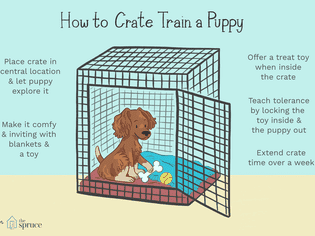
There are a number of reasons to crate train your dog. Most puppies and adult dogs feel more secure in a small, enclosed den-like area, and young pupp

A beloved pet is impossible to forget, especially when they grow up alongside us in our most formative years. Supermodel Taylor Hill adopted her "

Chocolate poisoning is common in dogs around certain holidays—Halloween, Thanksgiving, Christmas, Valentine’s Day, and Easter—when lots of candy is av

A cleft palate may not be immediately noticeable in a puppy, but it's a serious birth defect that needs special attention. This physical deformity
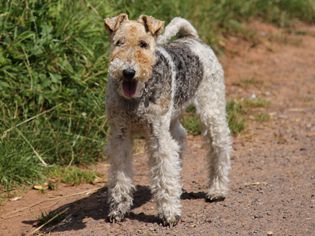
A mainstay of traditional British fox hunts, fox terriers are small-to-medium dogs from England with long faces, short legs, and either wiry or s
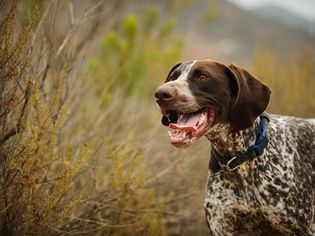
The German shorthaired pointer (or GSP) is a medium-to-large sporting breed native to Germany with a slim build, floppy ears, and signature liver brow
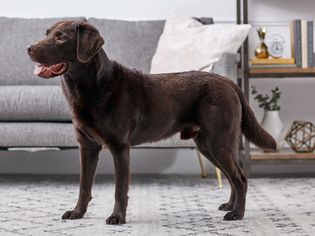
The Labrador retriever is a medium to large dog breed with a short coat and sturdy physique that's a member of the sporting group and originated in Ne
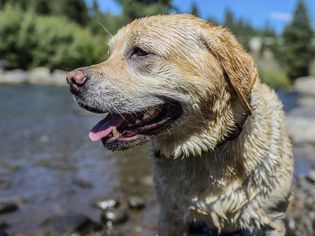
The English Labrador retriever is a medium-large sporting dog breed from the United Kingdom with a short, dense, water-repellent double coat in black,
We are a comprehensive and trusted information platform dedicated to delivering high-quality content across a wide range of topics, including society, technology, business, health, culture, and entertainment.
From breaking news to in-depth reports, we adhere to the principles of accuracy and diverse perspectives, helping readers find clarity and reliability in today’s fast-paced information landscape.
Our goal is to be a dependable source of knowledge for every reader—making information not only accessible but truly trustworthy. Looking ahead, we will continue to enhance our content and services, connecting the world and delivering value.