Once you've decided that a dog is right for you and have welcomed them into your home, it’s essential to teach them some fundamental behaviors and boundaries using positive reinforcement training. Besides facilitating a smooth transition home, this will lay the groundwork for a relationship rooted in trust, safety, and mutual understanding.
Read on to learn eight crucial things to teach your new rescue dog within the first several weeks after adoption.
- 01 of 08
Creating Reliable Responses to Marker Words
“The most important things to be building immediately with your new dog are clarity and communication,” says Leigh Siegfried, CEO and founder of Opportunity Barks Behavior & Training.
The foundation for this relies on teaching your dog marker words, such as “good” or “yes,” explains Siegfried. Marker words should consistently and immediately be said after a behavior to communicate to your dog that what they were doing at that exact moment was right. A marker word should then be followed with a reward, like food. Doing this consistently will help your dog understand which behaviors you want from them.
02 of 08Reliable Recall
Reliable recall refers to a dog’s consistent and prompt response to a recall command like “come.” A strong recall is a lifesaver, quite literally. In potentially dangerous situations, a dependable recall can prevent accidents or confrontations.
Siegfried suggests beginning your dog’s recall training in your home using the following technique. Present a treat visibly to your dog, then step backward while saying their name followed by “come.” After your dog moves toward you, enthusiastically say your marker word like “yes” or “good,” and reward them with the treat. With practice, your dog will associate coming when called with positive outcomes.
03 of 08Wait
Another thing Siegfried recommends teaching your dog early on is a “wait” cue. Whether it’s waiting for food, pausing before exiting a door, or stopping before crossing a street, this command is vital for safety and manners. Start small, rewarding your dog with a treat and praise for short waits, and gradually increase the duration.
This command is especially important for rescue dogs. “If you have a newly rescued dog, very often there’s a high probability of flight risk,” says Siegfried. This is because many rescues were previously strays who became experts at evading capture by bolting through streets and doors, she explains.
04 of 08Leave It
“Leave it” is a cue that instructs your dog to disengage. This may entail moving away from something, not chasing something, not eating a dropped item, or releasing something from their mouth. Mastering this cue is essential for keeping your dog away from potential dangers (like a dropped toxic food item) and for manners, explains Siegfried.
Continue to 5 of 8 below05 of 08How to Be Bored
Teaching your dog to be comfortable with downtime (aka “how to be bored") is a crucial skill that can not only prevent restlessness and destructive behaviors but also grants you the necessary space to attend to your daily tasks.
If your dog seeks attention through behaviors like whining during downtime, resist the urge to immediately engage. Instead, wait until they’re calm, then reward them with a treat or praise. This teaches them that tranquility garners rewards.
It’s important to note that teaching your dog how to be bored should never justify neglecting play or exercise, emphasizes Siegfried. Regular play and physical activity are essential for a dog’s mental and physical well-being. Plus, if a dog knows they can expect daily exercise and mental stimulation, they’re more likely to accept periods of downtime.
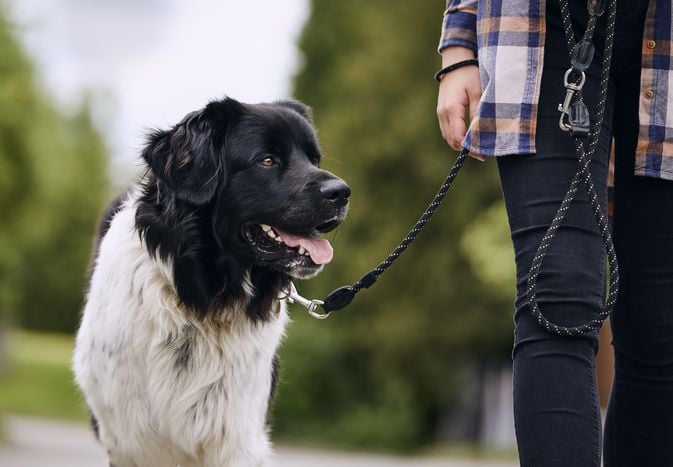
06 of 08Leash Walking
A pleasant and safe walk is one where your dog doesn’t pull or get overly distracted. To instill good leash behavior, start practicing in a low-distraction environment. And be sure you have a sturdy leash. Reward your pup with a treat and marker word like “good” or “yes” for staying by your side and not pulling. Gradually introduce more distractions to strengthen the behavior.
07 of 08Potty Training
Many rescue dogs are already potty trained when they come into a new home, having lived in house environments before. However, rescues or puppies that have never experienced a home setting might need more guidance in this area.
Take your dog outside frequently to do their business—especially after waking up in the morning and about 30 minutes after meals. Keep them on a potty break schedule until they are reliably potty trained. Offer praise or a reward when they relieve themselves outdoors. If accidents do occur indoors, address them calmly, cleaning up without making a scene, and don't punish your dog.
Consider crate training or using a puppy-safe playpen to confine your dog to a safe space when not directly supervised to avoid accidents on furniture and rugs while they are learning. With consistent positive reinforcement and understanding, they’ll quickly grasp the concept.
08 of 08Boundaries
While you might be tempted to be more lenient with the behaviors you allow when you first bring your rescue dog home, it’s essential to set the boundaries you wish to enforce immediately. This may include things like not getting on furniture, not chewing on table legs, or not chasing your cat.
Consistent redirection and positive reinforcement will help them understand and abide by the house rules.
Empowering your rescue dog with these essential skills not only strengthens your bond, but also paves the way for countless joyful moments together. As you embark on this transformative journey, remember that patience, consistency, and love are your guiding stars.
Recommended Articles

Can Dogs Drink Milk?
It is not uncommon for owners to ask 'Can Dogs Have Milk?'. The answer is not a simple yes, or no. Milk is not something highly toxic to dogs
dog-toxicologyWhy is Chocolate Toxic to Dogs?
Chocolate is a popular food item found in many households, especially around holidays like Valentine's Day, Halloween, and Christmas. You may love
dog-treatmentsBladder Cancer in Dogs
It's devastating to find out that your dog has bladder cancer. While this form of cancer is uncommon in dogs, it is aggressive and often fatal. Certai
dog-diseases-and-disordersTumors, Growths, and Cysts in Dogs
Did you find sudden lumps under your dog's skin? It's common to find lumps and bumps on all types of dogs. Growths, tumors, cysts, and masses
hound-dog-breed-groupRedbone Coonhound: Dog Breed Characteristics & Care
The Redbone coonhound is a medium to large American hound dog with a short, sleek, brilliant red coat and a muscular body. Mild-mannered yet energetic
hybrid-dog-breedsCzechoslovakian Vlcak (Czechoslovakian Wolfdog): Breed Characteristics & Care
The Czechoslovakian vlcak, also known as the Czechoslovakian wolfdog, is a large working dog breed originally bred for border patrol in Czechoslovakia
companion-dog-breeds10 Best Medium-Sized Dogs for Kids
If you have kids in the family, you might wonder which dog breeds are best. Tiny dogs are generally not recommended for families with young children b
working-dog-breed-group11 Majestic Facts About Great Pyrenees
The Great Pyrenees was historically used as a flock guardian, watching over and protecting sheep from any threats, including theft and predators. The
About Us
We are a comprehensive and trusted information platform dedicated to delivering high-quality content across a wide range of topics, including society, technology, business, health, culture, and entertainment.
From breaking news to in-depth reports, we adhere to the principles of accuracy and diverse perspectives, helping readers find clarity and reliability in today’s fast-paced information landscape.
Our goal is to be a dependable source of knowledge for every reader—making information not only accessible but truly trustworthy. Looking ahead, we will continue to enhance our content and services, connecting the world and delivering value.