
How to Care for a Blind Dog
Blindness occurs in many species including dogs. Some dogs are born blind while others develop blindness. But regardless of how a dog may become blind
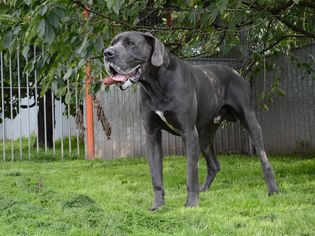
Giant dog breeds are larger-than-average canines. Beloved by many but not for everyone, large and giant dogs come with their own set of needs. In general, dog breeds that have healthy weights of over 100 pounds fall into the giant dog breed category. Mastiffs and Great Danes are common examples of giant dogs, and despite their size, most extra-large dogs are truly gentle giants. Need a big dog in your life? Here's everything you need to know about caring for large and giant dogs.

Typically weighing anywhere from 100 to 200 pounds, giant dogs need ample space in their homes. They'll need room to move and play without bumping into things. And you'll have to be able to fit extra large dog beds or have furniture that can accommodate them.
When these big dogs are young and not fully trained, they might not know their size and strength. Likewise, they might be clumsy and awkward, unintentionally knocking over objects, furniture, and even people. However, with age and proper training, they usually become gentle giants. Just be aware that many large and giant dogs won't reach full size until they are around 2 to 4 years old.
Proper training and socialization are crucial for large dogs. If you're unable to control them, your giant dog can inadvertently hurt you or other people. Big dogs should learn how to walk on a loose leash, basic obedience cues, and how to act calm around people and other dogs. They should also be taught not to jump on or lunge at people and animals. Without this training, you'll have a difficult time handling your big dog and taking them places.
All dogs need exercise, and big dogs are no exception. In general, large and giant dogs don't have extremely high energy levels and thus won't need tons of exercise. Most do well with one to two moderate walks a day, plus some time to run and play. Don't overdo exercise in large breed puppies as it can impact growth and lead to orthopedic issues down the road.
Many large and giant dogs do best on a dog food diet that's formulated for large breeds. This is especially important for large-breed puppies, as these diets support their growth and can prevent orthopedic problems. Always discuss the proper diet with your veterinarian. And be sure not to overfeed your giant dog—obesity causes health problems in dogs of all sizes, and even a little extra weight in a giant dog breed can lead to health issues.
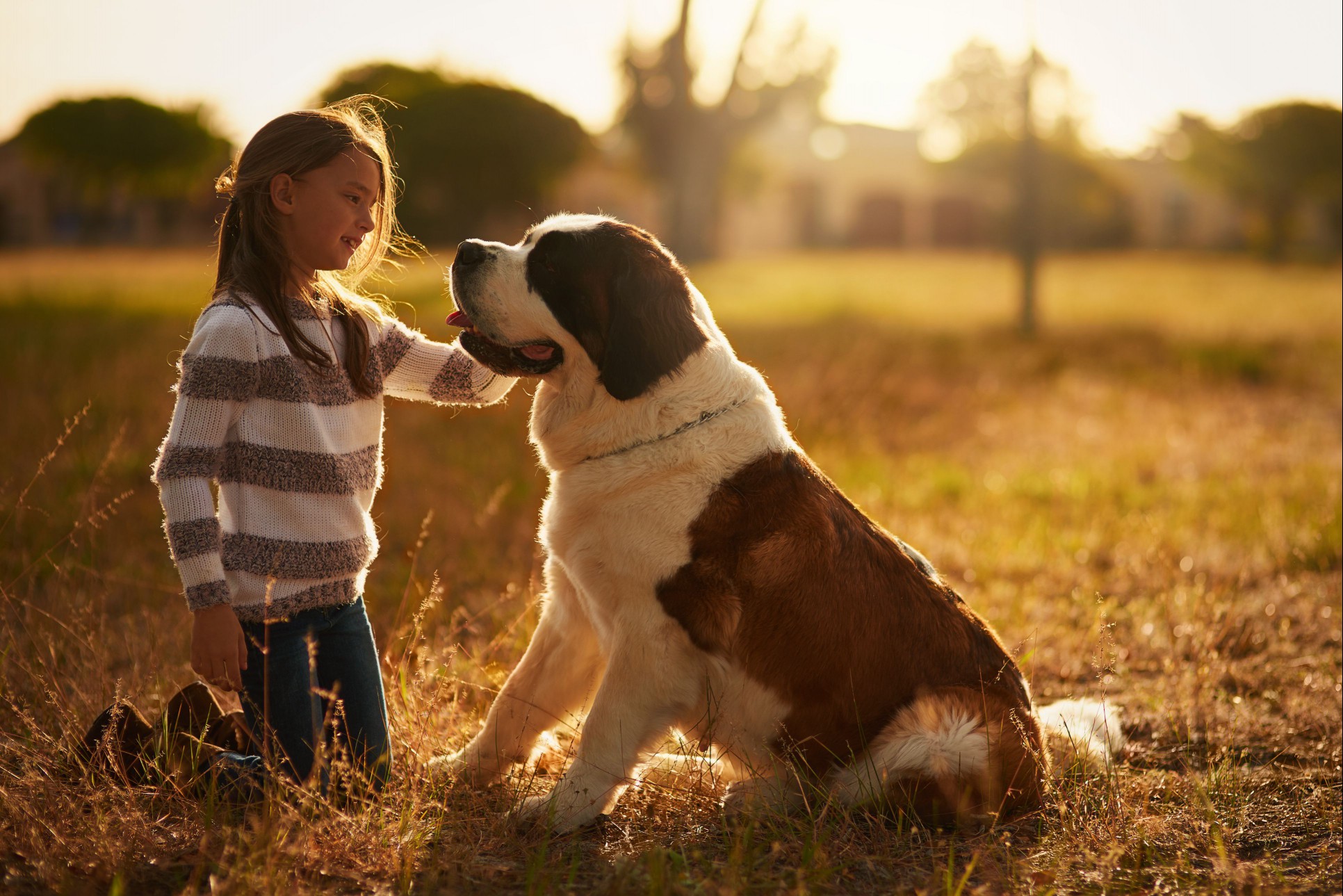
Certain health issues are more often seen in large and giant dog breeds compared to their smaller counterparts. Although these conditions can affect any dog, some big dogs are more likely to develop the following conditions:
Perhaps the most unfortunate thing is that large dog breeds tend to have shorter life spans compared to the average canine—about six to 10 years compared to the 12 to 15 years most dogs enjoy.
Some veterinarians recommend waiting to spay or neuter large dogs until they have matured fully. This allows their joints to develop and may prevent some orthopedic problems later in life.
To keep your big dog healthy, visit the vet for routine wellness examinations once or twice a year. Due to their shorter-than-average life span, your big dog will reach their senior years earlier than the average dog. Be sure to discuss with your veterinarian the different ways to support your dog as they pass through various life stages.
Due to their size, large and giant dog breeds need more food, bigger beds and toys, and higher medication doses. If you're used to small or medium-sized dogs, expect to pay more for dog food, supplies, and veterinary products. The cost of exams and vaccines won't be higher, but any products you purchase will most certainly come with a higher price tag. This includes heartworm prevention and flea control, which are must-haves for all dogs.
Before you bring a large or giant dog into your home, you'll want to make sure you're prepared for it. Those who love big dogs will tell you that the positives greatly outweigh the negatives and that these mega lovebugs are worth it all. Here are some pros and cons to consider before getting a large or giant dog.
Often gentle, affectionate, and loyal
Most are not high-energy dogs
Many are fairly easy to train
Higher cost of food, supplies, and veterinary care
May drool a lot
Prone to orthopedic problems
Shorter life expectancy than the average dog

Blindness occurs in many species including dogs. Some dogs are born blind while others develop blindness. But regardless of how a dog may become blind
Fleas make dogs miserable with itching, but they can also cause allergies and anemia. They can even transmit tapeworms to their hosts. These parasites

‘Tis the season for glittery decorations, scrumptious foods, and beautiful blooms. With their stunning red, white, and green colors, it’s easy to see
Heartworm disease is a potentially deadly parasitic infection in dogs. Without treatment, a dog with heartworm disease will eventually die. Although t

There's a pretty good chance your dog will get injured at least once or twice in its life—whether in their leg, spine, tail, eye, or elsewhere. Do
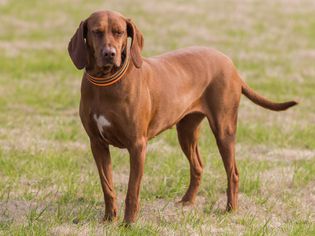
The Redbone coonhound is a medium to large American hound dog with a short, sleek, brilliant red coat and a muscular body. Mild-mannered yet energetic
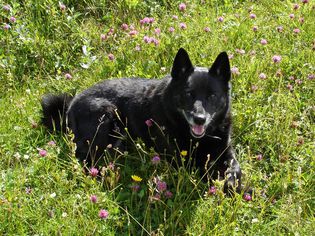
The Norwegian Buhund is a hardy, medium-sized herding breed from Norway with upright pointed ears, a thick double coat, and a classic spitz tail that
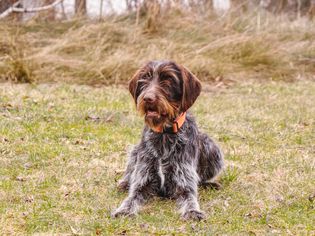
Also known as the Korthals Griffon, the Wirehaired Pointing Griffon is a medium-sized Dutch dog breed in the sporting group with wiry fur and signatur
We are a comprehensive and trusted information platform dedicated to delivering high-quality content across a wide range of topics, including society, technology, business, health, culture, and entertainment.
From breaking news to in-depth reports, we adhere to the principles of accuracy and diverse perspectives, helping readers find clarity and reliability in today’s fast-paced information landscape.
Our goal is to be a dependable source of knowledge for every reader—making information not only accessible but truly trustworthy. Looking ahead, we will continue to enhance our content and services, connecting the world and delivering value.