
Can Dogs Have Cranberry Juice?
Cranberries are rich in nutrients and antioxidants that have been touted as playing a role in everything from boosting your immune system to decreasin
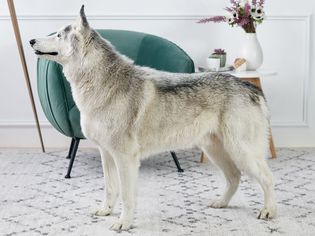
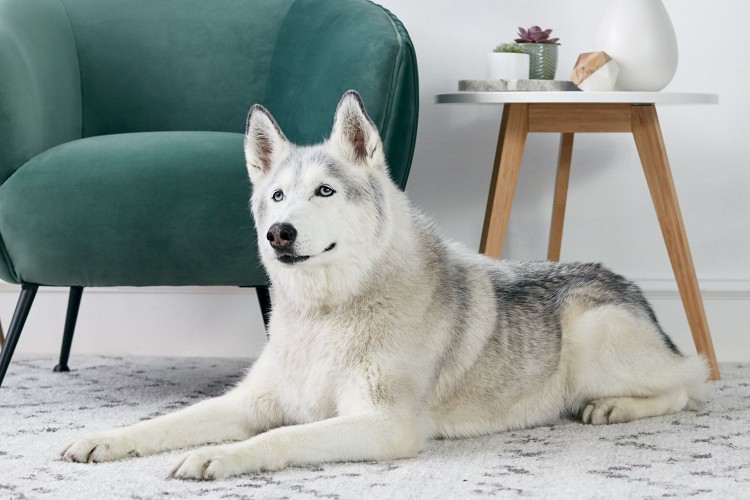
The Siberian husky is a graceful, athletic dog with high endurance and an eagerness to work. This friendly dog breed, which originated in Northeast Asia as a sled dog, has a vivacious and mischievous personality. Though these are high-energy and sometimes intense dogs, huskies can be affectionate and gentle when given proper care. They were brought to America through Alaska.
If you have an active household and plenty of time to dedicate to your dog, then this might be the dog for you. With proper care and attention, the Siberian husky can make a wonderful companion. This breed can also get along well with children as long as the dog is properly trained and socialized.
GROUP: Working
HEIGHT: 20 to 23.5 inches
WEIGHT: 35 to 60 pounds
COAT: A dense, double coat
COAT COLOR: Seen in a variety of colors, including combinations of black, gray, white, and tan. They have markings that include black points, piebald, or pinto.
LIFE EXPECTANCY: 12 to 15 years
TEMPERAMENT: Intelligent, alert, friendly, protective, gentle
HYPOALLERGENIC: No
ORIGIN: Siberia
Playful and fun-loving, Siberian huskies have joyful personalities that bring cheer to everyone they encounter. Their mischievous nature demands an owner who is willing to keep up with them both physically and mentally. They love company from both humans and animals alike and would do well in a household with other animals.
| Affection Level | High |
| Friendliness | High |
| Kid-Friendly | High |
| Pet-Friendly | High |
| Exercise Needs | High |
| Playfulness | High |
| Energy Level | High |
| Trainability | Medium |
| Intelligence | Medium |
| Tendency to Bark | High |
| Amount of Shedding | Medium |
The Siberian husky originated in Northeast Asia, where the Chukchi people developed the breed specifically for use as a sled dog. Genetically, they are part of the Spitz family. During the early 20th century, Alaskans grew interested in the breed and the Siberian husky was brought to the United States.
Over the years, huskies have excelled as sled dogs. Perhaps most notable was the transport of antitoxins to Nome, Alaska during an epidemic of diphtheria. Commemoration of this lifesaving journey has led to the yearly Iditarod Trail Sled Dog Race. A statue of the lead dog who completed the serum run, Balto, was erected in Central Park in New York City in 1925.
The Siberian husky was officially recognized by the American Kennel Club (AKC) in 1930. They have continued to work diligently as sled dogs but are now more commonly known as companion dogs. They are the 12th most popular breed in the U.S., according to the AKC.
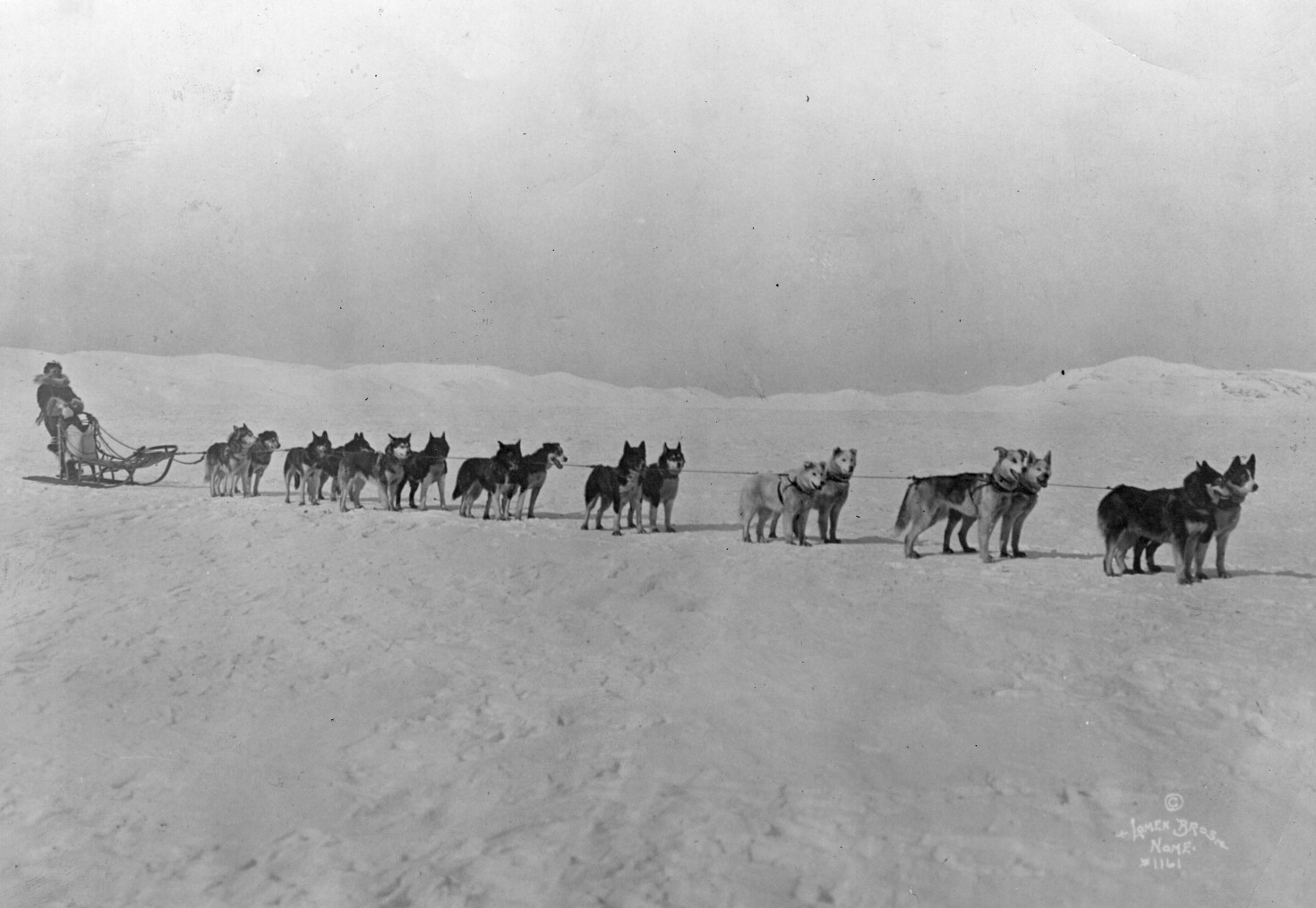
Siberian huskies were bred as pack teams and they generally get along well with other dogs. That can make them suitable for trips to a securely-fenced free-run dog park. They have a strong prey drive and that can prove to be a problem if you have pet rodents, rabbits, or even cats. However, if raised together with a cat, they may coexist well.
This breed is loving with children and is usually a happy playmate and tolerant of their mischief. But children must treat any dog with respect and not treat the dog roughly. Most Siberian huskies are also friendly with visitors and are not good watchdogs.
The Spruce / Kevin Norris
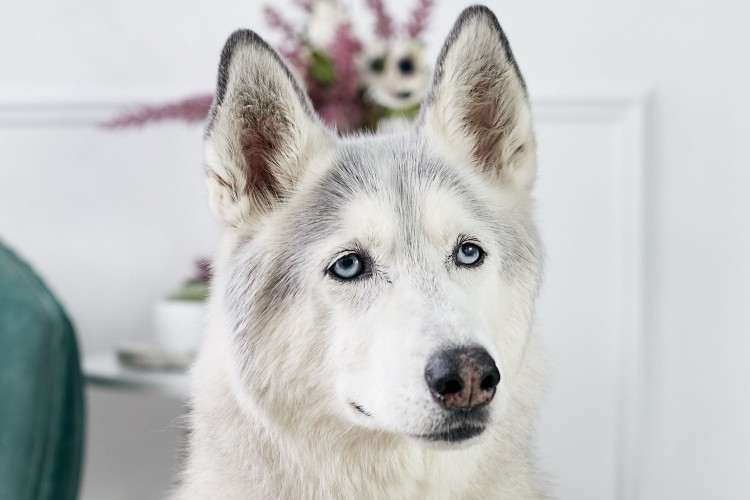
Huskies can benefit from activities like running as long as it's not too warm outside. You may need to find creative ways to exercise your husky indoors when it's hot outside, as this breed is only moderately heat-tolerant. Huskies like to dig and you can expect plenty of holes in your yard. A bored husky indoors or outdoors can be very destructive.
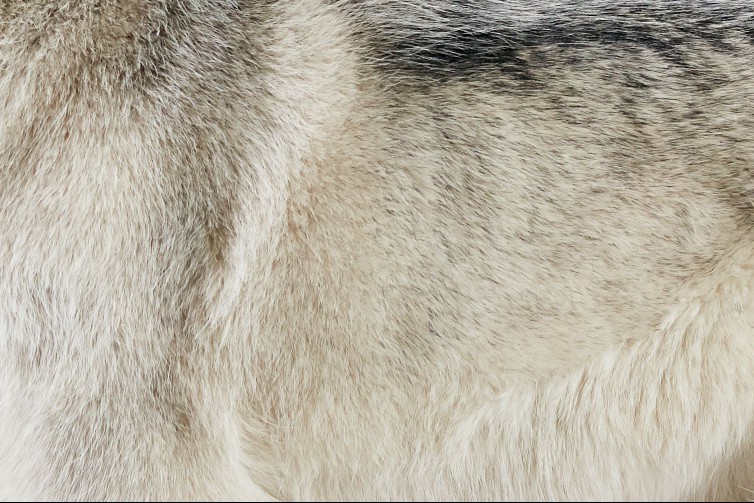
The Siberian husky's dense, double hair coat makes the breed able to withstand very low temperatures (though this breed is not so comfortable in hot climates). The Siberian husky's undercoat is soft while the top coat is thicker and slightly coarse.
This dog breed will have minimal shedding for much of the year and then shed quite a lot over the period of about three weeks, known as blowing the coat. It will be a chore to keep up with the shedding during that time and your yard (and home) will likely be full of tufts of husky fur.
Thoroughly brush out your husky once or twice a week. The Furminator is a great tool to use during times of heavy shedding. They are known as fastidious dogs who keep themselves clean and have little doggy odor; you will only rarely need to bathe a Siberian husky. Trim their nails regularly, keeping them short to avoid splitting and discomfort. Brush your dog's teeth a couple of times a week to maintain good oral health.
Huskies are energetic and smart dogs that can be vocal (often in the form of howling or whining). They require a lot of training and exercise to keep them happy and healthy. Many Huskies have a desire to explore and can be escape artists, so they can't be walked off-leash as they will be off exploring and chasing small animals. They also need a sturdy physical fence that is high enough that they can't bound over it and is protected so they can't dig under it. Serious training is absolutely essential to help your Husky focus its energy. Without enough training and exercise, a Husky may seem out of control at times.
Responsible breeders strive to maintain the highest breed standards as established by kennel clubs like the AKC. Dogs bred by these standards are less likely to inherit health conditions. However, some hereditary health problems can occur in Huskies. The following are some conditions to be aware of:
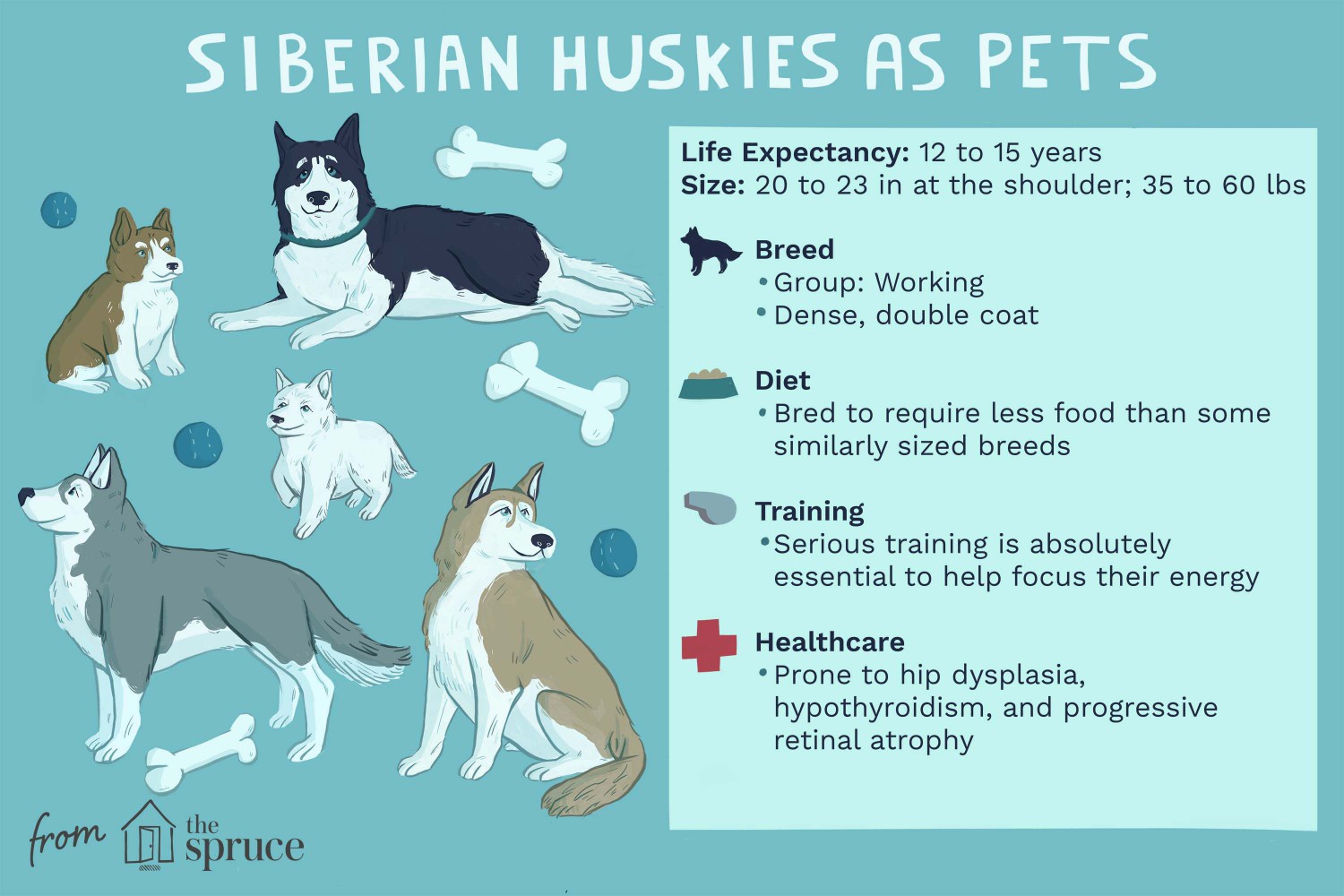
Illustration: The Spruce / Emilie Dunphy
Siberian Huskies were bred to require less food than some similarly sized breeds. Provide your dog with two meals per day, each of which should be up to a cup of dry dog food. Your dog's specific dietary needs will depend on size, activity level, age, and other factors. Be sure to monitor your dog's weight to prevent obesity and discuss your dog's nutritional needs with your veterinarian.
Siberian Huskies are in-demand dogs, so it's unlikely one will show up at the local animal shelter—though it's always worth checking. Keep an eye on local rescue groups, too. Breed-specific rescue groups include:
If you're interested in finding a reputable Siberian Husky breeder, visit the Siberian Husky Club of America's website, which has a referral directory of breeders that may have dogs available.
Friendly and gentle with all ages and most animals
A low predisposition to hereditary diseases
Intelligent and easy to train
Heavy shedding, particularly during a twice-a-year shed
Prone to vocalization, including particularly loud howling
Requires a significant amount of exercise
As with any breed, if you think the Siberian Husky is right for you, be sure to do plenty of research before getting one. Talk to other Siberian Husky owners, reputable breeders, and rescue groups to learn more. Unfortunately, there are many who need adoption and fostering as people discover they are not a good fit for their household.
If you’re interested in similar breeds, look into these to compare the pros and cons:
There’s a whole world of potential dog breeds out there—with a little research, you can find the right one to bring home!
No—despite their rather large size, Siberian Huskies are a gentle and friendly breed, able to get along with most other animals and young children with ease.
Siberian Huskies are not considered a good option for owners living in an apartment for several reasons. Most importantly, they are a breed that needs a lot of daily exercise and room to roam, so chances are they will find most apartments too small. Additionally, they are very vocal dogs—prone to whining, barking, and howling—so they may be deemed a nuisance to others in the building if they bark while left home alone.
Siberian Huskies and Alaskan Malamutes look strikingly similar, and both dogs were bred with the same cold weather, outdoor adventures in mind. They share many similarities, but Malamutes are considered the more relaxed of the two (though only slightly).

Cranberries are rich in nutrients and antioxidants that have been touted as playing a role in everything from boosting your immune system to decreasin
If your dog dies at home, it is understandably an incredibly difficult situation. Losing your beloved dog is never easy, but if your dog passes away a
You might have heard that feeling a dog's nose can reveal something meaningful about its health, but what do the temperature and wetness of your pup's
The whippet is a dog breed quite similar to the greyhound, though smaller in size. They can run as fast as 35 miles per hour, making the whippet
Sometimes confused with the Australian cattle dog, the Australian Stumpy Tail Cattle Dog is a separate breed with similar origins but structural diffe
The English springer spaniel is a sturdy and handsome medium-sized sporting dog breed from England with a medium-length coat in a variety of colors. K
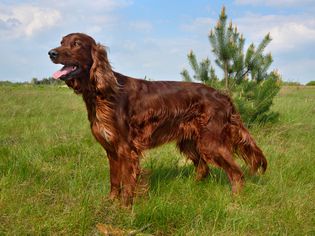
The Irish setter is a popular medium-to-large dog breed for families and sporting enthusiasts alike. Originally bred for bird hunting, Irish setters h
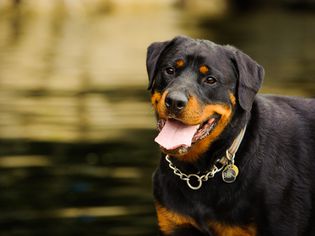
The Rottweiler, or Rottie, is a large and rugged dog with a hard-working and confident demeanor. It is known for its muscular body, thick hindquarters
We are a comprehensive and trusted information platform dedicated to delivering high-quality content across a wide range of topics, including society, technology, business, health, culture, and entertainment.
From breaking news to in-depth reports, we adhere to the principles of accuracy and diverse perspectives, helping readers find clarity and reliability in today’s fast-paced information landscape.
Our goal is to be a dependable source of knowledge for every reader—making information not only accessible but truly trustworthy. Looking ahead, we will continue to enhance our content and services, connecting the world and delivering value.