
How to Leash Train Your Puppy
Leash laws may require your puppy to walk nicely on a leash and know how to heel when off your property. But, even if they don’t, it’s simply polite p
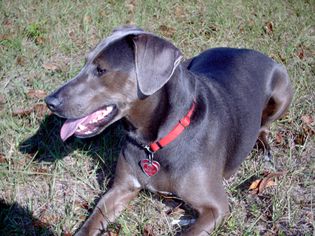
The Blue Lacy is a medium-sized working dog breed hailing from Texas, and is the state dog of Texas. This dog is known for their typical blue-toned coat, smooth, sleek appearance, and intense bright yellow or rich brown eyes.
The Lacy is a bold, intelligent, and active breed that was originally developed to work feral hogs. These driven, determined dogs also excel at herding cattle and hunting wild boar. Since their inception in the mid-19th century, the Blue Lacy has developed into one of the working breeds preferred by ranchers, hunters, cowboys, and trappers.
Learn all about the Blue Lacy, including the breed’s history, care needs, and temperament.
GROUP: Working
HEIGHT: 18 to 21 inches
WEIGHT: 25 to 50 pounds
COAT: Short and smooth
COAT COLORS: Blue (gray, light silver, charcoal), red (light cream, rust), or tri-colored
LIFE SPAN: 12 to 16 years
TEMPERAMENT: Intelligent, bold, active, devoted, alert, intense
HYPOALLERGENIC: No
ORIGIN: United States (Texas)
The Blue Lacy is well-suited to an active family. They have always loved having a job to do—and plenty of open space to run around. They are energetic, dedicated dogs capable of handling livestock ranging from longhorn cattle to hens. Lacys have been trusted watchdogs, as well as herding and droving animals, throughout their history.
Even though they have “blue” in their name, Lacys can come in colors other than various shades of gray; they can also be shades of red or tri-colored. However, their slate blue nose and fur are rare features. In addition to white markings on their paws and chest, they also have almond-shaped eyes that are yellow or orange.
| Affection Level | Medium |
| Friendliness | Medium |
| Kid-Friendly | High |
| Pet-Friendly | Medium |
| Exercise Needs | High |
| Playfulness | High |
| Energy Level | High |
| Trainability | High |
| Intelligence | High |
| Tendency to Bark | Medium |
| Amount of Shedding | Low |
The Lacy dog's name comes from the family that developed the breed. The Lacy brothers—Frank, George, Ewin, and Harry—began to create the breed when they lived in Kentucky. But when they moved to Texas in 1858 and settled in the Hill Country, they became serious about mixing greyhounds, scenthounds, and coyotes to develop a fast herding dog to round up and drive their free-roaming hogs to markets in Austin for selling.
As Blue Lacy dogs grew in awareness and popularity with rural American ranchers in the Southwestern region, their role expanded from hog herding to locating wounded deer and chasing game. Then, as ranchers began to use new technologies to herd livestock, the need for Lacy dogs slowed down, and the breed came close to extinction.
However, Blue Lacys became known for their hunting skills, which dramatically increased the demand for the Lacy—today the dog is the most common one used by trappers in the U.S. The breed made a name for itself by becoming the official State Dog Breed of Texas in 2005 when Governor Rick Perry signed the legislation.
Some historians believe that the presence of Lacy dogs in the Hill Country influenced Fred Gipson, who was raised in nearby Mason County, to write the novel "Old Yeller" (published in the 1950s), which is the classic story about a boy and his dog. The dog in the book, however, was a black mouth cur.
Although Lacys make excellent family dogs and are great with children, they require consistent and daily physical and mental stimulation. Easily trainable, they require a calm, assertive leader who isn’t afraid to set clear and consistent rules.
Blue Lacys are naturally territorial and will always go out of their way to protect their property and their family, but they may not always do well entering homes with other pets due to their high prey drive.
Experts suggest that Lacys need a minimum of 30 minutes—but more like 90 minutes—of vigorous exercise each day. It's important to provide a Blue Lacy with plenty of outdoor time, space to run, and, ideally, a job to do.
These dogs will require long, brisk daily walks and plenty of romps in the backyard, but even that may not be enough. Many of these dogs will still demand a challenging job, such as:
Lacys can be rough when playing, so it’s best to supervise them to ensure they and their playmates don’t get hurt.
Lacys only need basic dog grooming. Their short, tight coat needs minimal maintenance: a once or twice weekly brushing, with more frequent brushing during seasonal shedding times.
Take care of your dog's teeth by brushing them daily or at least several times a week with a toothbrush and toothpaste made specifically for dogs. Also, keep your dog’s nails trimmed to ensure they don’t get too long. And keep your dog’s ears clean while checking them regularly for signs of parasites, dirt, or infection.
The Blue Lacy's intelligence means that these dogs are generally easy to train, but they are sensitive to yelling. Blue Lacys will always respond better to stern but soft commands.
They will adapt well to most living conditions and make great family pets with proper socialization. However, if they aren’t socialized from a young age, they could become aggressive toward people and other animals, including other dogs, because of their prey drive and protectiveness.
For example, they might exhibit a commanding nature, get into spats with other dogs, or pull on their leash toward other dogs.
These dogs are prone to barking, especially if they don’t have enough stimulation, and may not be suited for apartment living.
The Blue Lacy should perform well with high-quality commercially or home-prepared (under veterinary supervision) dog food. Fresh, clean water should be available at all times for this active, high-energy dog.
To feed the right amount of food, follow the instructions on the dog food you select. You can also work with your veterinarian if you aren’t sure how much to feed based on your dog’s age, size, and activity level.
Lacys are a very healthy, robust breed. However, all dogs are susceptible to certain conditions. Blue Lacys have been associated with the following health issues:
Though rare, you may be able to find a Blue Lacy dog from a shelter or rescue group. If you choose to work with a breeder, expect to pay between $400 to $1,000 for a Lacy puppy.
Because they were created to be working dogs, most breeders prefer to place these pups in ranching and hunting homes to preserve that heritage and allow Blue Lacys to do what they do best: work.
Most breeders are located in Texas, but as the breed's popularity rises, so might the number of breeders and the prices of pups.
Here are two online resources to help you find your new best friend:
The Blue Lacy can make a wonderful pet for active families and experienced dog parents who know how to train and socialize puppies. Their grooming needs are minimal, but these dogs thrive on work and require a lot of exercise daily. They also might have trouble getting along with other pets and other dogs.

Be sure to do your homework when choosing a dog breed. Talk to other Blue Lacy owners, reputable breeders, and rescue groups to learn more about this particular breed and its care.
If you’re interested in learning more about similar dogs, consider these other working breeds:
There's a variety of dog breeds, and with a little research, you can be sure you'll find the right dog to bring home.
Lacys are intense, high-energy dogs that are ill-suited for both apartment living as well as novice dog parents. They will become bored and destructive when left alone for long periods and will respond better to a more experienced pet parent who can demonstrate the confidence and leadership that these working dogs crave.
Blue Lacys are also unofficially called Red Lacys when their coats present red tones. Though Blue Lacys can be found with red or tri-colored coats, all of these dogs carry the gene for blue coloring. Sometimes, tri-colored dogs from this breed are simply called Lacys.
Most Lacy dogs are found in Texas, making the breed seem rare. But the dog is becoming more popular for their skilled hunting prowess, and breeding populations are slowly being established across the U.S., Canada, and Europe.
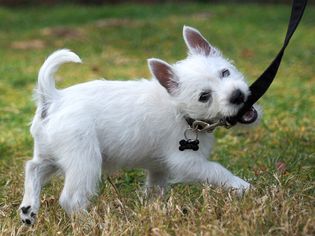
Leash laws may require your puppy to walk nicely on a leash and know how to heel when off your property. But, even if they don’t, it’s simply polite p

Kiwis are small fruits that pack a lot of flavor and they are sweet and tangy. This little fruit is packed full of nutrients for humans like vitamin C

‘Tis the season for glittery decorations, scrumptious foods, and beautiful blooms. With their stunning red, white, and green colors, it’s easy to see

If you notice your dog is peeing blood, you'll likely feel alarmed. Knowing why this may happen is helpful for you to understand what kind of help

Pneumonia affects a dog's lungs, making it difficult to breathe. If left untreated, it can become a life-threatening condition for your pet. Your
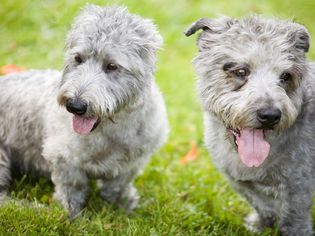
The Glen of Imaal terrier is a medium-size terrier dog breed from Ireland with a medium-length wiry coat that doesn’t shed much. Overall, the dog is l
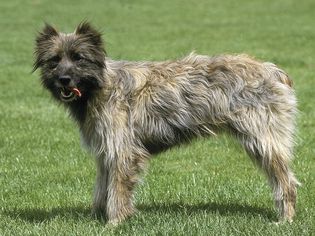
The Pyrenean Shepherd (also known as Pyr Shep) is a medium-sized herding breed from France with a lean body, almond-shaped eyes, upright ears, and eit
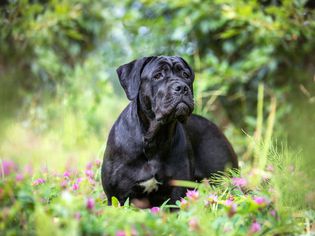
The cane corso (pronounced "KAH-Nay KOR-So") is a large and muscular working dog with a noble, confident disposition and a lineage that goes b
We are a comprehensive and trusted information platform dedicated to delivering high-quality content across a wide range of topics, including society, technology, business, health, culture, and entertainment.
From breaking news to in-depth reports, we adhere to the principles of accuracy and diverse perspectives, helping readers find clarity and reliability in today’s fast-paced information landscape.
Our goal is to be a dependable source of knowledge for every reader—making information not only accessible but truly trustworthy. Looking ahead, we will continue to enhance our content and services, connecting the world and delivering value.