
How to Train Your Dog to Go to Its Place
Training your dog to go to its place can be helpful when you need it to settle down or get out from under your feet. You can pick one place in your ho

Many dogs like to get into items around the house, often nibbling on things that are not meant to be eaten. Dogs and puppies may chew items out of boredom or hunger. This may include candles, especially those that are scented. What should you do if your dog ate a candle? Are candles dangerous to dogs?
Some candles contain chemicals or essential oils that can be harmful to dogs. Fortunately, most have a low enough concentration of these that they will not make dogs sick after eating them. However, if your dog eats a large amount, he may develop vomiting, diarrhea, or other signs of illness. Essential oils to avoid include various types of mint, various types of citrus, cinnamon, tea tree, pine, ylang-ylang, and more. These may have a variety of toxic effects on dogs if enough is ingested.
Wax candles are typically made from paraffin, beeswax, or soy. None of these materials tend to be poisonous to dogs. When ingested, they tend to soften and pass through the dog's intestinal tract without issue. However, large pieces my cause an intestinal blockage. Soy-based candles are softer and pose less of a risk.
Perhaps the most dangerous parts of candles are the wicks and the metal parts. Long wicks can become tangled up in the intestines, causing a linear foreign body that requires surgical treatment. Metal parts in the wick and the candle base may also become lodged in the GI tract. In addition, sharp edges can puncture or tear the lining of the GI tract, leading to an emergency situation.
If you find evidence that your dog has eaten a candle, first check to see how he is acting. Is he lethargic or in distress? Do you notice panting or labored breathing? Has he had any vomiting or diarrhea? If you notice these or any other signs of illness, it's best to contact your veterinarian for advice.
Next, try to determine what kind of candle your dog ate and how much of it was ingested. Some dogs will chew on candles but not swallow them, leaving behind a mess for you but saving their own tummies from feeling sick. Others will eat every last piece, even sometimes the wick and metal base. If your dog swallowed a long wick or a large metal base, then a vet visit is the best option. If you have any doubts about the toxicity of the candle, visit your vet immediately. Bring any remaining pieces of the candle and the packaging, if available.
You should not induce vomiting unless your vet advises you to do so. This may increase the risk for aspiration or damage to your dog's upper GI tract.
If your dog seems fine and you think that only a small amount of candle was eaten, then it's important to watch your dog over the next few days. Consumption of candle wax tends to have a laxative effect and leads to diarrhea or soft, greasy stool. If the diarrhea is watery, bloody, or doesn't improve within a day, contact your vet.
Alternatively, some dogs may experience mild constipation after eating a candle. If your dog is straining or goes more than two days without a bowel movement, contact your veterinarian.
If your dog has a decrease in appetite, lethargy, or vomiting, contact your vet right away. Do not give over-the-counter medications without first asking your vet for recommendations. Look for remnants of the candle in your dog's stool—it should pass within a few days. However, if a small amount was ingested, you may never see this pass.
If you have a dog that likes to nibble on household items, or if you're not sure, then it's important to keep all candles out of reach. Place candles up high where your dog cannot reach them. Store candles not in use behind closed doors, like in a closet or cabinet.
If your dog gets into things around the house on a regular basis, you may want to consider keeping your dog crated when he is unsupervised. If a crate is not an option, consider a small room with dangerous items completely removed.

Training your dog to go to its place can be helpful when you need it to settle down or get out from under your feet. You can pick one place in your ho

You have probably heard of kennel cough in dogs, but did you know that there is a vaccine for it? Vets commonly refer to this simply as the Bordetella
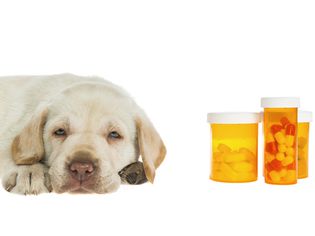
Whether your dog is getting older or they play a little too hard and tweak something, it's difficult to watch them limp along while you wait to bring

Heat exhaustion is a term used for moderate overheating, and it is very important to be aware of the signs to know when to seek help and to prevent mo
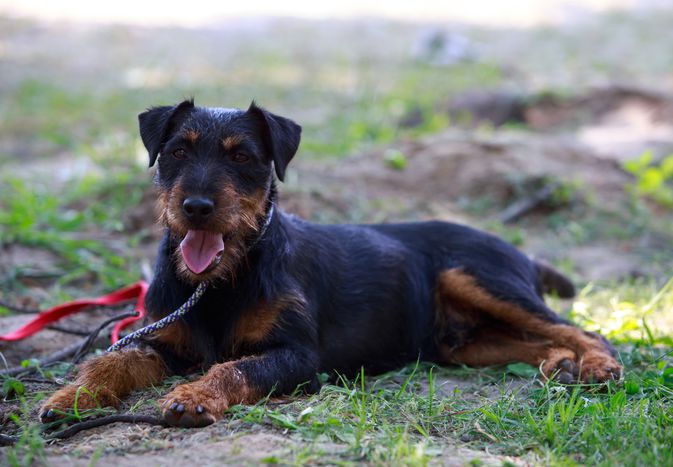
Pronounced as "Yahk" terrier and also known as the German hunting dog, the jagdterrier is a compact, highly sociable, and trainable terrier. B
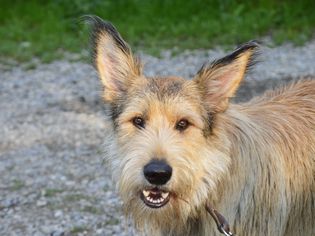
The Berger Picard is a medium-size herding dog breed from France that has a medium-length, wiry coat that forms its trademark shaggy beard, eyebrows,
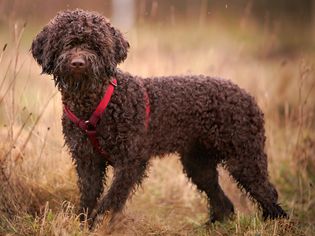
The Lagotto Romagnolo is a medium-sized ancient working breed from Northern Italy with wooly, curly fur. They are prized for truffle hunting skills, b

The chow chow is a medium to large-sized non-sporting dog breed from China that is known for its lion-like or bear-like appearance and blue-black tong
We are a comprehensive and trusted information platform dedicated to delivering high-quality content across a wide range of topics, including society, technology, business, health, culture, and entertainment.
From breaking news to in-depth reports, we adhere to the principles of accuracy and diverse perspectives, helping readers find clarity and reliability in today’s fast-paced information landscape.
Our goal is to be a dependable source of knowledge for every reader—making information not only accessible but truly trustworthy. Looking ahead, we will continue to enhance our content and services, connecting the world and delivering value.