
How to Get Rid of Fleas
Without proper prevention and treatment, fleas can and will infest your pets and your home. Find out how to get rid of fleas to keep your pets comfort

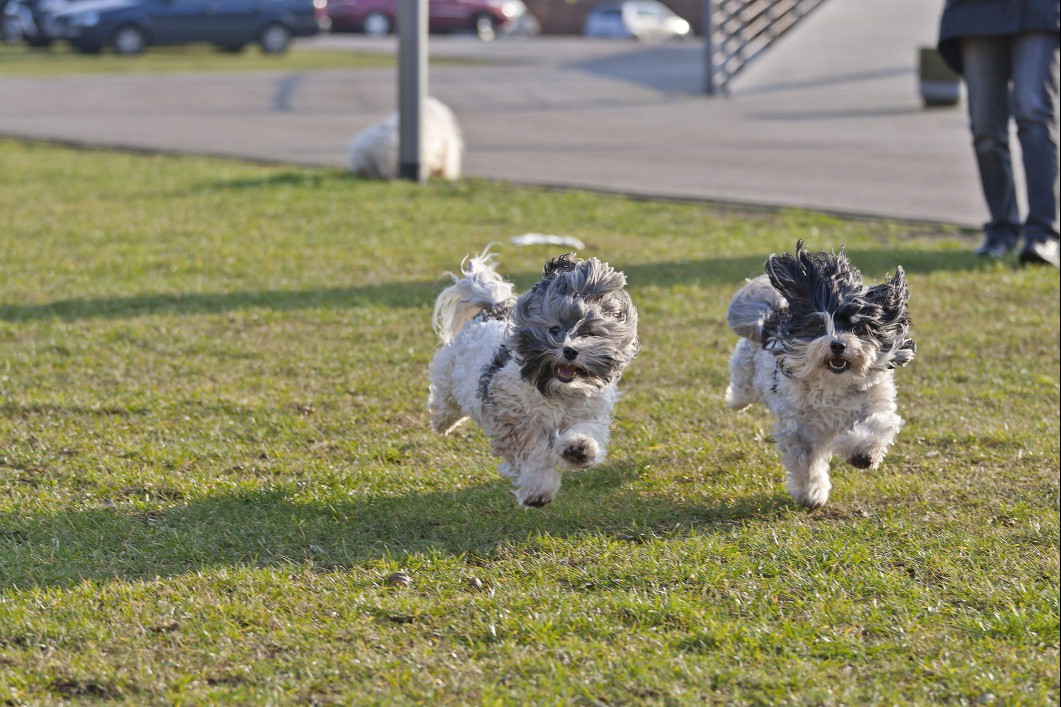
The Havanese is a toy breed and the national dog of Cuba. Their playful, affectionate personalities accompany good-natured temperaments and intelligence, making them lovely family dogs. Plus, they're quite cute, with round faces and floppy ears.
Learn more about the Havanese dog breed, including key characteristics and care tips.
Group: Toy
Height: 8.5 to 11.5 inches
Weight: 7 to 13 pounds
Coat: Double coat that is long, silky, and straight or wavy with ringlets
Coat Color: One or two colors including black, silver, white, cream, tan, fawn, gold, sable, or red
Life Span: 14 to 16 years
Temperament: Intelligent, playful, bright, even-tempered, companionable
Hypoallergenic: Yes
Origin: Cuba
If you want a small dog with a relatively easygoing temperament, the Havanese might be right for you. These dogs tend to be great with children and other pets.
The friendly and gentle personality of the Havanese makes them suitable for many types of homes, including apartments. They're also a great choice for travel and RV living because they're small and don't bark much.
It's best to adopt this breed if you have plenty of time to spend with your dog. You shouldn't leave a Havanese alone for more than a few hours. These dogs crave companionship, and they're known to develop separation anxiety or destructive habits when lonely and bored.
| Affection Level | High |
| Friendliness | High |
| Kid-Friendly | High |
| Pet-Friendly | High |
| Exercise Needs | Medium |
| Playfulness | High |
| Energy Level | Medium |
| Trainability | High |
| Intelligence | Medium |
| Tendency to Bark | Low |
| Amount of Shedding | Low |
This old, native breed was developed when its canine ancestors came to Cuba from Spain by way of Tenerife in the Canary Islands. The breed likely shares lineage with the bichon frise. The Havanese was a beloved pet of Cuban aristocrats—Havana is the country's capital—and they later became popular among prominent Europeans including Charles Dickens.
The Havanese has been in the U.S. since the Cuban revolution in 1959 when only a few dogs were left to save the breed from extinction. It has thrived in the U.S. and Europe, and the breed was recognized by the American Kennel Club (AKC) in 1996.

The Havanese is a bit high-maintenance when it comes to their grooming and training. But because they aren’t high-energy dogs that need a lot of exercise, they can be good for families who are looking for a lapdog that will enjoy cuddling.
As a moderately active little dog, the Havanese should get daily exercise, but this breed does not need more than about half an hour per day. Routine walks and playing inside the house are usually enough to keep the Havanese happy and healthy.
With the proper outlets for their energy, these dogs are content to cuddle on your lap when they're not playing, making them great companions for apartment living.
Because of their silky coats, routine grooming is an absolute necessity for the Havanese. Routine grooming practices include:
Like all dogs, the Havanese should receive basic positive reinforcement training. These dogs are intelligent and attentive, so they tend to learn quickly. They can be taught to do tricks and perform in dog sports like agility, flyball, obedience, and more.
General training will contribute to your dog's overall happiness and help them become a well-mannered member of the family. Start training and socializing them during puppyhood, especially since Havanese puppies may bite and it’s important to train that behavior out of them.
One drawback is that the Havanese can take a while to housebreak. You will need to be consistent during this period or provide a doggy door to give them constant access to the outdoors.
Many of these dogs don't like to get wet, so it's helpful to have a covered area available. On the other hand, if your dog grows up around water, they can be a good swimmer—but in general, the Havanese should be an indoor pet.
The Havanese is generally considered a healthy breed, but some hereditary health problems can still occur in the Havanese, including:
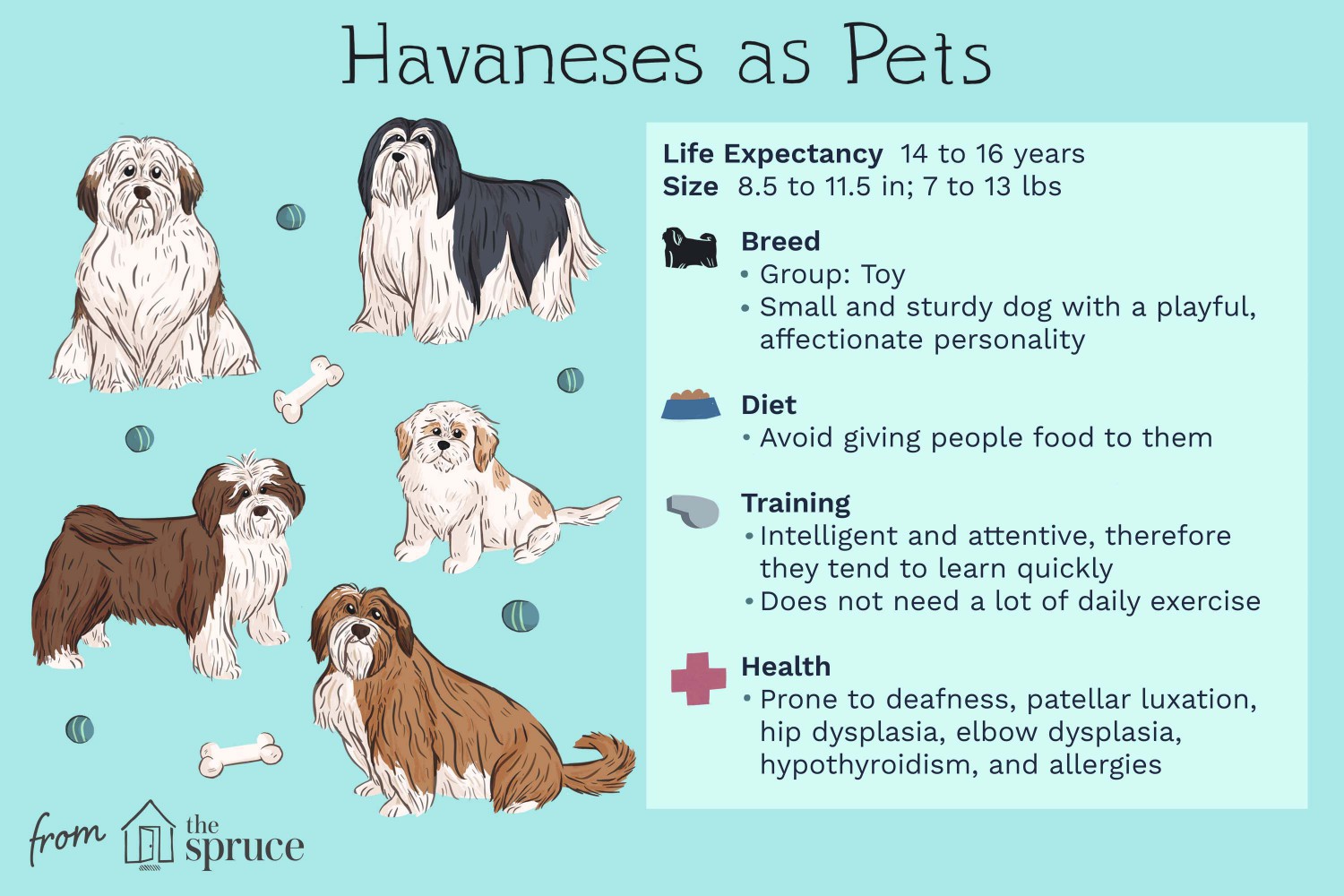
Illustration: The Spruce / Emilie Dunphy
Feed your Havanese two meals a day, a total of 1/2 to 1 cup of dry dog food. Don't leave out food for free-feeding; this can quickly lead to weight gain. Canine obesity can reduce a dog's lifespan and lead to other health conditions. Discuss any weight gain with your veterinarian, and determine both feeding and exercise schedules based on your dog's age, weight, and activity level.
Avoid giving human food to your Havanese. Be aware that they are tricksters, and they're known to "train" their humans to share food. It's important to be consistent and ensure everyone in your family knows that the Havanese should only eat dog food.
Check your local animal shelter and rescue groups for Havanese dogs in need of homes. There are a number of nationwide rescue groups for this breed, as well as responsible breeders for those set on adopting a puppy.
Havanese puppies typically cost between $1,500 and $3,000 from breeders, though some prices can be upwards of $3,500 depending on the dog's pedigree and availability in your area. Always research local breeders to ensure you adopt from one that provides comfortable living conditions for their dogs and shares their medical history.
Start your search with breed-specific rescues, the national breed club, and the AKC:
The Havenese can be a great choice if you’re looking for a small dog that’s also hypoallergenic. These dogs don’t shed much, but they do need to have their coat trimmed often. They can be a lot of fun for families, as they are both kid-friendly and pet-friendly.

If you think this breed is right for you, talk with other Havanese owners, reputable breeders, and rescue groups to learn more about adding one to your family. If you're interested in similar breeds, check out:
There is a wide variety of dog breeds out there that can join your family. With a little research, you can find the right one to bring home!
The Havanese makes an excellent house dog because of their gentle demeanor, trainability, and playfulness. This breed is known for getting along very well with children and other pets (especially when raised together).
The Havanese has some high-maintenance grooming needs and can be difficult at first when house training. However, this intelligent breed is also a fast learner with basic obedience and doesn't require much exercise to stay happy. For those willing to commit to regular grooming, the Havanese is otherwise low-maintenance.
Yes, Havanese are good dogs for seniors because they're smart, trainable, and perfect for living in small homes.
The Havanese occasionally suffers from separation anxiety when left alone for too long. Also, they require regular professional grooming appointments, which can be expensive.

Without proper prevention and treatment, fleas can and will infest your pets and your home. Find out how to get rid of fleas to keep your pets comfort

If your dog has a scrape, scratch, or other external wound that you'd like to treat, you may be wondering if a product like Neosporin would do the
The basenji is a small hound dog breed from central Africa with a short, smooth coat that notoriously doesn’t shed or smell much. These dogs sport upr
Originally bred to work on farms, the rat terrier is a small dog with high energy levels, high exercise needs, and a strong propensity to hunt and cha

Puggles are a cross of the pug and beagle dog breeds. This small dog breed is popular as a companion to families and individuals alike; they tend to b
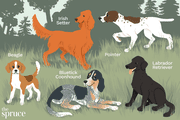
If you enjoy the sport of hunting, then you might benefit from having a hunting dog by your side. It's believed that humans and dogs have been hun

The Tibetan spaniel is a small dog from Tibet with a medium-length, silky coat that features longer fur, referred to as a “lion’s mane,” around the do
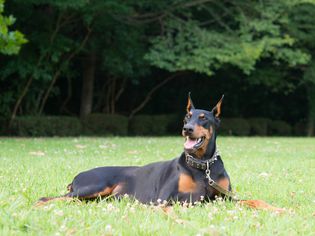
The Doberman pinscher is a medium-large, deep-chested dog breed with a sleek and sturdy appearance. Dobermans (also called "Dobes" or "Dob
We are a comprehensive and trusted information platform dedicated to delivering high-quality content across a wide range of topics, including society, technology, business, health, culture, and entertainment.
From breaking news to in-depth reports, we adhere to the principles of accuracy and diverse perspectives, helping readers find clarity and reliability in today’s fast-paced information landscape.
Our goal is to be a dependable source of knowledge for every reader—making information not only accessible but truly trustworthy. Looking ahead, we will continue to enhance our content and services, connecting the world and delivering value.