
Why Does My Dog Lick My Ears?
Any dog owner will tell you, dogs can have some quirky behaviors. Things like obsessively devouring socks, trancing under curtains and houseplants, co
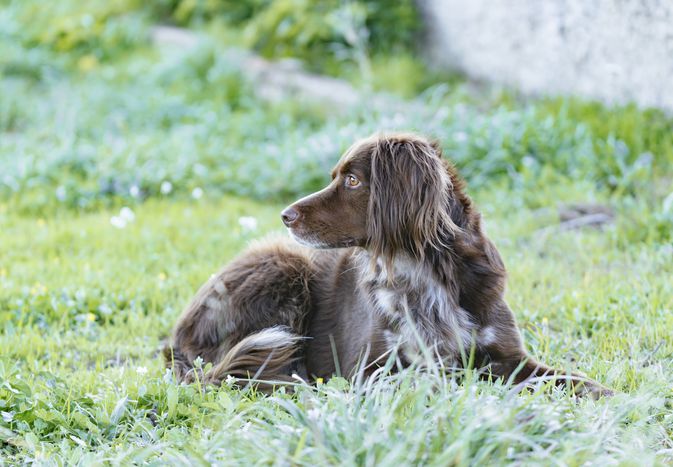
The Small Münsterländer is a medium-sized hunting dog with an affinity for water and can swim, point, retrieve, track, and even flush out small game. Outside of their favorable hunting qualities, they also make affectionate family dogs and are highly trainable. In their native Germany, they are known as the Kleiner Münsterländer.
Learn about the characteristics, history, and care needs of the Small Münsterländer.
Group: Sporting
Height: 20.5-21 inches
Weight: 40-60 lbs
Coat: Medium length, double coat
Coat Colors: Brown and white or brown roan
Life Span: 12-14 years
Temperament: Affectionate, energetic, loyal
Hypoallergenic: No
Origin Country: Germany
The Small Münsterländer is an active and intelligent breed. They make great family dogs or hunting companions but regardless of their role, they need a way to exert their energy. They are highly trainable and love water, so they'll probably enjoy dock diving, obedience trials, agility, and other activities.
| Affection Level | High |
| Friendliness | High |
| Kid-Friendly | High |
| Pet-Friendly | Medium |
| Exercise Needs | High |
| Playfulness | Medium |
| Energy Level | High |
| Trainability | High |
| Intelligence | High |
| Tendency to Bark | Low |
| Amount of Shedding | Medium |
Originating in Germany sometime in the mid-to-late 19th century, the Small Münsterländer was developed as a pointing dog when German hunting laws changed. The Club for Small Münsterländer Pointing Dogs was established in Germany in 1912 but it wasn't until 1921 that breeders finally began adhering to the breed standard.
Small Münsterländers were bred for their hunting instincts and proved to be excellent swimmers, retrievers, trackers, hunters, and pointers. In addition to these desired sporting qualities, they also turned out to be great family dogs. They were eventually brought to the United States in the early 1970s but are still rare in the United States.
All dogs require some level of care. Small Münsterländers are not high-maintenance dogs when it comes to grooming and training, but they do require a good amount of daily exercise and mental stimulation.
Providing exercise is vital for the health of your Small Münsterländer. Mental and physical stimulation in the form of agility, flyball, dock diving, and other activities can keep your dog busy but ideally, this sporting breed is doing what it was bred to do—hunting, pointing, retrieving, or tracking.
Swimming, running around in a fenced-in yard, and going on regular walks are things any Small Münsterländer will enjoy, even if they don't live with a family of hunters. If you don't give your Small Münsterländer enough things to do, they will get bored and may begin to display unwanted behaviors.
Small Münsterländers have a medium-length double coat. Most of the year they don't require much grooming but since they are seasonal shedders, the late spring and early fall will keep you busy brushing. Outside these times, they'll just need monthly brushing, the occasional bath with ear cleaning, and regular nail trims.
While their natural hunting instincts are desirable, Small Münsterländers still need training to harness their strong drive and energy. Socialization with people and other animals alongside a good amount of positive reinforcement-based training will help your Small Münsterländer become a polite member of the family.
The Small Münsterländer is generally a healthy breed and reputable breeders will do their parts to ensure they are not contributing unwanted genetics into their breeding stock. As with any dog though, this breed can develop some common health problems, including:
Like all dogs, the Small Münsterländer should eat a nutritionally complete diet formulated for dogs by veterinary nutritionists to thrive. This may be a store-bought kibble or a specially crafted diet. When feeding, measure out the appropriate amount of food based on your dog's weight, age, activity, and caloric content to prevent obesity and other health issues.
If you aren't sure what or how much to feed, ask your veterinarian for recommendations.
Since this breed is still fairly rare in the United States, it is highly unlikely that you will find one in a shelter or through a rescue group. This, however, does not mean that they are not able to be purchased from breeders in the States.
The Kleine Münsterländer Group of North America maintains a list of German registered and reputable Small Münsterländer breeders in the states, and the American Kennel Club (AKC) also provides a list of breeders for future dog owners to utilize. Expect to pay about $1500-$2000 for a healthy Small Münsterländer puppy.
Both active families and avid hunters will appreciate the versatility of this breed.
If you're interested in the Small Münsterländer, check out these other dog breeds:
There’s a whole world of potential dog breeds out there—with a little research, you can find the right one to bring home.
This breed needs a lot of space to exercise mentally and physically. Because of this, they are not ideal apartment dogs unless their families are committed to giving them enough mental and physical stimulation each day.
Yes—Small Münsterländers can be great family dogs with proper socialization. They are good with children and are an affectionate breed.
This sporting breed was designed to hunt, point, swim, track, and retrieve. They are versatile, active, and eager to please.

Any dog owner will tell you, dogs can have some quirky behaviors. Things like obsessively devouring socks, trancing under curtains and houseplants, co
While training your dog, it's important to spend time teaching your dog certain actions. These are called "cues" or "commands." There are se
Can dogs eat plums? Pet parents who would like to share the occasional fruit with their dog may find themselves asking this question. The answer is ye

Eclampsia is a life-threatening drop in blood levels of calcium that strikes some nursing dogs, usually when the puppies are one to four weeks of age.
The black mouth cur, named for their square black muzzle, is a shorthaired ranch dog with a sweet personality. Their energy, intelligence, and tenacit
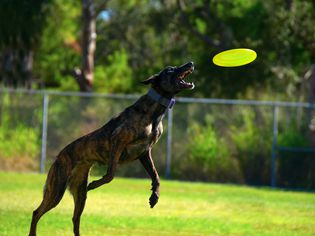
The treeing Tennessee brindle is a medium-sized cur-type dog, native to the United States, and known for its lanky, lean body, a tail that sticks stra
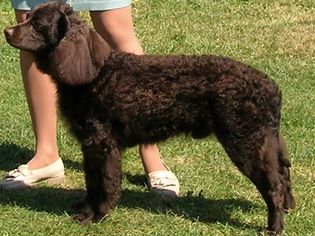
The American water spaniel is a medium-size sporting dog breed from the United States with a medium-length curly coat that doesn’t shed much. The bree
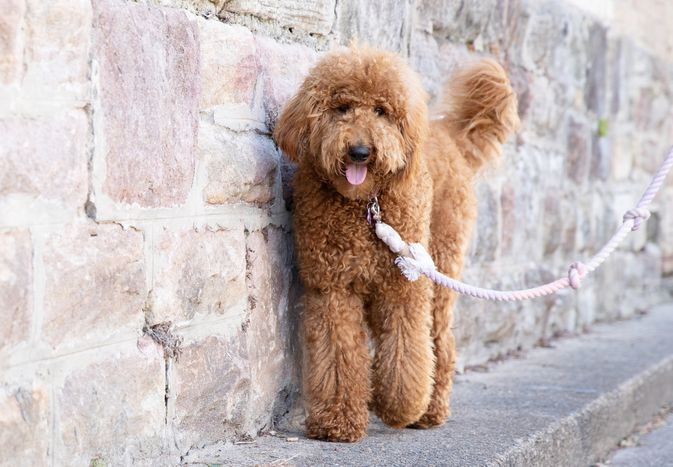
Goldendoodles are an adorable mix between the golden retriever and the poodle. These pups have the lovable qualities of both of their p
We are a comprehensive and trusted information platform dedicated to delivering high-quality content across a wide range of topics, including society, technology, business, health, culture, and entertainment.
From breaking news to in-depth reports, we adhere to the principles of accuracy and diverse perspectives, helping readers find clarity and reliability in today’s fast-paced information landscape.
Our goal is to be a dependable source of knowledge for every reader—making information not only accessible but truly trustworthy. Looking ahead, we will continue to enhance our content and services, connecting the world and delivering value.