
How Long After the Death of My Dog Should I Wait to Get Another Dog?
The death of a beloved pet is heartbreaking and the grief does not go away overnight. Many owners struggle with the decision to get a new dog. How lon

While most people associate training with puppies, the reality is that dogs can learn at any age. Adult dogs are often easier to train than young puppies because they have more self-control. It's also important to keep training your dog as it matures. It will keep your dog's mind sharp and offer the mental stimulation and structure that it needs. While these tips are mainly for owners that have recently adopted an adult dog, they can also be used to train older pets that may need to gain new skills.
If you have just brought an adult dog into your home, allow him some time to adjust. An adult dog comes with its own history which can make it nervous about its new surroundings. Don't give up on your new dog after only a few days. Your adult dog may need a period of adjustment which can take anywhere from a few days to a month or so. Once your adult dog realizes it has found its forever home, it will soon settle into being part of the family. There may be some unique challenges and opportunities when it comes to training a shelter dog.
Don't assume an adult dog is house trained or well-behaved in the house. Treat your adult dog just as you would a new puppy. Keep it in a crate when you are not able to supervise him. When you release it from the crate, take him immediately to the place outside where you want him to relieve himself. If it does not relieve itself, re-crate it and try again a little later.
Be sure that the crate you select is large enough and strong enough to contain your adult dog comfortably. The dog should be able to stand up, move around, and stretch out without difficulty. Soft-sided crates are often too flimsy to stand up to the needs of an adult dog; the best option is usually a metal wire crate that can be folded for transportation. Provide your crated dog with water, soft blankets, and chew toys, and be sure that you provide your pet with enough attention, exercise, and outdoor time to relieve itself.
If your adult dog is new to crates, introduce the concept slowly. Entice your dog to enter the crate by offering food, and keep it in the crate for only a few minutes at first. Avoid using the crate as a punishment or leaving your dog isolated in its crate for long periods.
The good news is that adult dogs have more control over their bladders and bowels than young puppies. The house training process usually goes much more quickly with adult dogs than with puppies or adolescent dogs who don't have this control yet.
Your adult dog is perfectly capable of learning new things. Even if it has never had any obedience training in the past, your adult dog will benefit from learning basic commands, such as walking on a loose leash and lying down. An obedience class is a great place to work on this training.
An obedience class is also a great place for your adult dog to socialize with other dogs and people. It will allow you to see how it reacts to other dogs and strangers in a safe environment with a professional dog trainer on hand to offer advice.
An adult dog may have been able to do things in its previous home that you don't want him to do in yours, such as jumping on guests or lying on the furniture. These tips will help ensure that your dog learns and retains appropriate behaviors for your home.
Because you probably don't know for sure the type of experience your adult dog has had with training in the past, positive reinforcement methods are your best bet. Using tasty treats and plenty of praise are effective training methods for dogs of all ages and breeds. Keep things fun and upbeat rather than punishing your adult dog. This is a great way to strengthen the bond between you and your dog. Even older dogs can learn to let you know when to open the door for them by ringing a dog doorbell.
It may take some work at the beginning, but teaching your adult dog basic commands and working on solving behavior problems from day one means your dog will soon settle into being a happy and healthy part of your family.
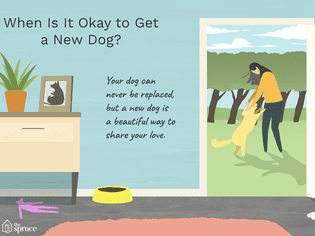
The death of a beloved pet is heartbreaking and the grief does not go away overnight. Many owners struggle with the decision to get a new dog. How lon

Ivermectin is commonly used in both dogs and cats for a variety of different diseases. It's prescribed to treat various types of parasitic infecti
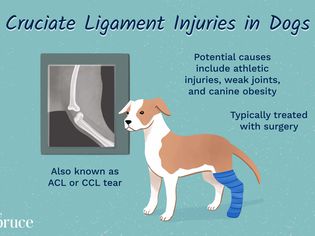
A ruptured cruciate ligament is a painful orthopedic problem that can cause your dog to suddenly start limping on one of its back legs. Though th

Diabetes mellitus, sometimes called DM or just diabetes, is not just something people can get. Unfortunately, our dogs and cats can become diabetic as

The American pit bull terrier is a medium-sized terrier dog breed native to the United States with a short coat, well-muscled body, and big smile. Whi
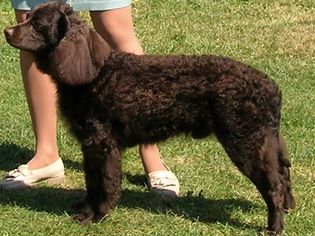
The American water spaniel is a medium-size sporting dog breed from the United States with a medium-length curly coat that doesn’t shed much. The bree
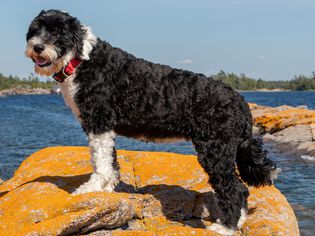
The Portuguese water dog is a medium-sized breed from Portugal with floppy ears and curly fur. These smart, energetic dogs have low-allergen coats, ma

From classic literature (we're looking at you, White Fang), to Game of Thrones and famous Instagram animals, it seems like wolf dogs are everywher
We are a comprehensive and trusted information platform dedicated to delivering high-quality content across a wide range of topics, including society, technology, business, health, culture, and entertainment.
From breaking news to in-depth reports, we adhere to the principles of accuracy and diverse perspectives, helping readers find clarity and reliability in today’s fast-paced information landscape.
Our goal is to be a dependable source of knowledge for every reader—making information not only accessible but truly trustworthy. Looking ahead, we will continue to enhance our content and services, connecting the world and delivering value.