
Learn How to Prevent Fear Aggression in Dogs
While dog bites can happen for many reasons, fear aggression is a common concern. Just like humans, dogs can inherit a tendency to be anxious, and the
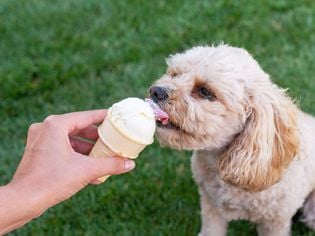
Just about everyone loves eating ice cream—what’s better than a cool, sweet treat on a hot day? When you make your next trip to the local creamery, you might be wondering if it's okay to buy your dog a pupsicle. In other words, is it safe for your dog to eat ice cream?
The main takeaway is that ice cream isn’t a healthy snack option for dogs. While the occasional small amount of vanilla ice cream or mango sorbet probably won’t send your dog to the vet, ice cream shouldn’t be a regular treat for your dog.
Adult dogs don’t have stomachs that are ready to handle lactose. While they can digest milk as puppies (they’re mammals, after all), they really can’t digest milk as adults. This inability to deal with dairy can lead to bloating, gas, diarrhea, and vomiting. In most cases, your dog will probably just be a bit gassy. But if you give a small dog a lot of ice cream, your dog’s reaction to the dairy can be more serious. Also, dogs with diabetes or weight issues should stay far away from ice cream.
The high levels of sugar in ice cream are also not good for your dog. Even “sugarless” ice cream is dangerous because xylitol is toxic to dogs. In fact, ice cream with any sort of artificial sweetener is probably a no-go for your pup.
Many flavors of ice cream are also potentially dangerous for dogs. Chocolate is dangerous because dogs cannot digest theobromine. Coffee and green tea ice cream are both dangerous due to caffeine levels. And any ice cream with grapes or raisins is potentially dangerous and can cause acute kidney failure at even small doses.
Finally, some nuts are dangerous for dogs. Macadamia nuts are dangerous for your dog—though scientists don’t know why. Pecans, walnuts, and almonds aren’t toxic for dogs but are too high in fat to be healthy.
If you do decide to give your dog ice cream, stick with fruit-flavored ice cream or plain vanilla. Be sure to feed small amounts at first to make sure it doesn’t upset your dog’s stomach. You’ll probably see symptoms, like bloating, gas, vomiting, gastrointestinal upset, and diarrhea, within two hours if your dog’s stomach isn’t going to agree with the dairy.
If you’d like to give your dog a cooling treat to sample during the summer, consider making homemade ice cream for your pup. Puréeing bananas, peanut butter, and a bit of yogurt (which has less lactose than ice cream) will create a delicious treat that you can freeze at home. You can also add in some oats, apples, or other healthy, dog-friendly ingredients.
Vegan “nice cream” and frozen yogurt are both potentially better for your dog as well, as they often have less sugar and are free of or lower in dairy. As with any rich new treat, start out by feeding your pup just a little bit. Wait a few hours to see how she responds to the food before giving her more.
If your dog ate ice cream without your “permission,” try to stay calm. Figure out what flavor the ice cream was and how much your dog ate. If your dog didn’t eat any dangerous ingredients, they are probably going to be okay. They might be gassy or need to go potty a few extra times, though, so you might want to spend the afternoon in the yard with them.
But if your dog ate ice cream with artificial sweeteners, macadamia nuts, coffee, chocolate, grapes, or raisins, you might have a serious situation on hand. Animal poison control can help you determine what to do next. That said, don’t delay going to the vet. If possible, have someone else drive while you call poison control or vice versa.
The bottom line is that, as a general rule, ice cream isn’t a good treat for dogs. Peanut butter, banana, and yogurt mash can be a delicious frozen treat instead. There are simply too many potentially risky ingredients in ice cream for dogs.

While dog bites can happen for many reasons, fear aggression is a common concern. Just like humans, dogs can inherit a tendency to be anxious, and the
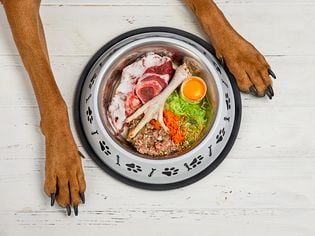
Raw food diets have become increasingly popular as alternatives to traditional dog food diets. Alongside many other dog food trends like grain-free, v
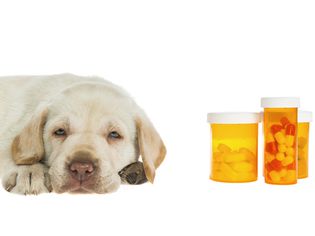
Whether your dog is getting older or they play a little too hard and tweak something, it's difficult to watch them limp along while you wait to bring

Puppies can be pretty adorable to begin with, but a puppy with the hiccups somehow manages to be that much cuter. Why do dogs hiccup and at what point
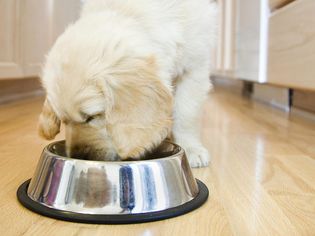
Constipation refers to the infrequent passage of dry, hard feces. If defecation is delayed and feces remain in the colon for two or three days, too mu
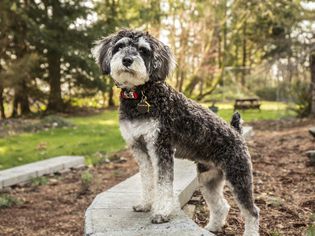
The schnoodle is a cross between the schnauzer and poodle. Schnoodles have medium-length, curly, dense fur and appear in various colors. Schnoodles ca

The pomsky is a cross between a Siberian husky and a Pomeranian. These fluffy, medium-sized pups have fur that grows in an array of colors, including

Owning a protective dog can give out peace of mind that someone is always watching out for the family. Breeds known for their excellent protecti
We are a comprehensive and trusted information platform dedicated to delivering high-quality content across a wide range of topics, including society, technology, business, health, culture, and entertainment.
From breaking news to in-depth reports, we adhere to the principles of accuracy and diverse perspectives, helping readers find clarity and reliability in today’s fast-paced information landscape.
Our goal is to be a dependable source of knowledge for every reader—making information not only accessible but truly trustworthy. Looking ahead, we will continue to enhance our content and services, connecting the world and delivering value.