
Can Dogs Eat Popsicles?
We have all heard the common phrase the dog days of summer, and, sometimes, to beat the heat, popsicles are a great option to keep cool. But is it ok
Hookworms are blood-sucking intestinal parasites that are common in dogs. While most infections are not life-threatening, they can cause debilitating anemia and potentially life-threatening blood loss in puppies. There are several hookworm species that affect dogs, the most common of which in North America is Ancylostoma caninum. Hookworms can infect humans, but they rarely cause serious problems for people.
Hookworms are small, thin parasitic worms that are less than an inch long and have hook-like teeth or mouth plates. These structures help them attach to the intestinal walls of their animal hosts where they feed on blood.
Unlike roundworms, which just float around in the intestines and steal nutrients from a dog's meals, hookworms attach to the intestinal wall and feed on blood and/or tissues. They can detach and move to other spots, leaving little bleeding ulcers where they have previously fed.
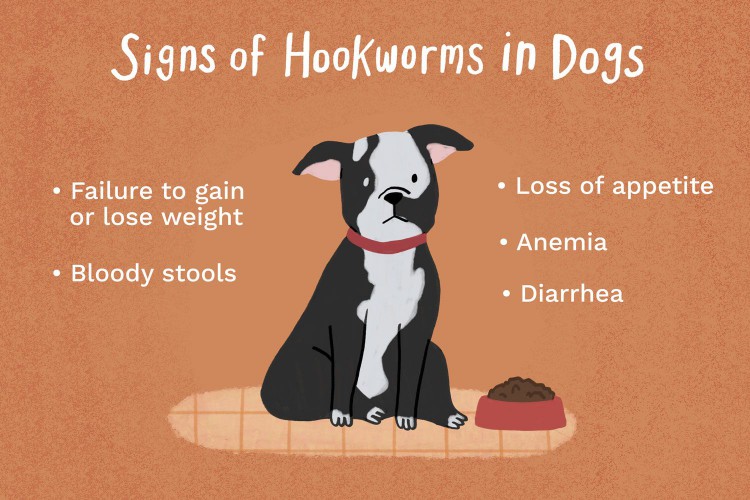
Hookworms can produce any of the following symptoms, but overt signs may only appear with heavy infestations:
The symptoms of hookworms primarily manifest as a result of the worms' irritating presence in the intestines and blood loss from their feeding. Black or tarry stools indicate blood loss in the upper part of the intestines, while red blood indicates bleeding in the lower intestines.
Hookworm eggs are passed in animals' feces. After several days and under warm, moist conditions, the eggs hatch into larvae. These larvae have several ways they can infest dogs:
Once the hookworm larvae get into a dog, they may develop into adult worms while living in the intestines. They may also migrate through the tissues to the dog's lungs where they are coughed up and swallowed, and then finally develop into adults in the intestines. In older dogs, migrating hookworm larvae commonly enter a dormant state within body tissues and can become mobile again later.
The larvae commonly become active during pregnancy, which is why they're so commonly passed to puppies. Some kinds of hookworm larvae can go to the mammary glands. Others develop into adults in the mother's intestines, producing eggs, which act as a source of infection for puppies.
Veterinarians diagnose hookworms by obtaining a stool sample and examining the fecal material under a microscope for the presence of eggs or adult worms.
There are several prescription medications that treat a dog with hookworms. These medications will only affect hookworms in the intestines, though, and not migrating larvae. So, treatment should be repeated to target larvae as they mature. For instance, a vet may recommend treating at two-week intervals. The number of treatments necessary will depend on the age of the dog and its particular situation.
It takes a while for infected puppies to shed eggs, so routine deworming of puppies is recommended, even if no signs of hookworms are yet visible.
If you have a pregnant dog, consult your vet for a deworming protocol for both the mother and pups.
Generally, adult dogs that receive treatment will recover from a hookworm infestation within a couple of months. Puppies with severe infestations are more vulnerable to blood loss and anemia, and some puppies may die, even with aggressive treatment and supportive care.
Once de-wormed, many of the monthly medications designed for heartworm and other parasite control contain medication that will prevent hookworm infections on an ongoing basis.
If your dog is not on one of these preventatives, your vet will recommend regular fecal testing and/or a deworming protocol to keep hookworms at bay. Keeping pet wastes picked up and preventing pets from eating rodents can also help prevent infection with worms.
The larvae of hookworms can infect people as well as dogs. People become infected when their skin comes in contact with contaminated soil or sand. They can also ingest eggs unknowingly if they touch a dog that has these microscopic particles on its fur and then touch their mouths.
The larvae usually don't develop into adult hookworms in people. However, the larvae migrating through the skin can cause irritation and inflammation, though most cases are not serious.
Proper treatment and prevention of hookworm infections are important to prevent these human health concerns, as is good hygiene. The same protocols that can prevent hookworms from spreading from dog to dog, namely cleaning up waste and the appropriate use of dewormers, can prevent humans from becoming infected too.

We have all heard the common phrase the dog days of summer, and, sometimes, to beat the heat, popsicles are a great option to keep cool. But is it ok

The death of a beloved pet is heartbreaking and the grief does not go away overnight. Many owners struggle with the decision to get a new dog. How lon
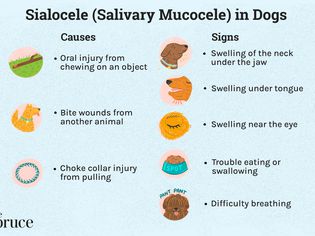
A salivary mucocele, also called a sialocele, is a condition of the salivary glands or ducts that creates a swollen lump in the neck near the jaw, und

Brucellosis is a contagious bacterial disease that can affect many different species, including humans. The specific type of brucellosis that infects

The Basset Hound is a medium-sized French hound breed known for its floppy ears, short legs, long nose, wrinkly skin, and short coat. One of the most

The Dandie Dinmont Terrier is a small terrier breed native to the border of England and Scotland with short legs, a long body, and silky hair that gro

The Teddy Roosevelt terrier, named for the 26th President of the United States, is a small hunting terrier with a short and dense bi- or tri-colored c

The Bullmastiff is a large-boned and muscular working dog from England with a short coat. Its origins as a cross between the Mastiff and the bulldog a
We are a comprehensive and trusted information platform dedicated to delivering high-quality content across a wide range of topics, including society, technology, business, health, culture, and entertainment.
From breaking news to in-depth reports, we adhere to the principles of accuracy and diverse perspectives, helping readers find clarity and reliability in today’s fast-paced information landscape.
Our goal is to be a dependable source of knowledge for every reader—making information not only accessible but truly trustworthy. Looking ahead, we will continue to enhance our content and services, connecting the world and delivering value.