
How to Train Your Dog Not to Chase
Dogs are naturally wired to chase cars and other moving objects. When they don’t have appropriate outlets or training, they chase bicycles or even cat
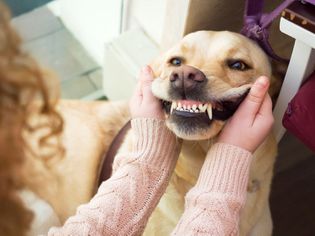
Just like people, dogs need regular dental care, but unfortunately, dental hygiene for dogs is sometimes overlooked. Many people seem to just expect dogs to have bad breath, and few people brush their dogs’ teeth frequently enough.
Plaque builds up on the teeth and turns into hard tartar, also called calculus. Plaque and tartar harbor bacteria that eat away at the teeth and gums. Halitosis, periodontal disease, oral pain, and tooth loss can occur. However, the bacteria not only cause disease in the mouth; they can also affect other parts of the body, like the heart and kidneys.
Dental hygiene is just as important to your dog’s overall health as things like nutrition, proper exercise, and routine grooming. There are several things you can do to help keep your dog’s teeth in good shape. Start a dental care routine as early as possible in your dog’s life and stick with it.
Catching teeth problems early will help avoid severe dental disease. The simplest way to keep track of your dog’s teeth is to look at them on a regular basis and be aware of signs that may indicate a problem. Routine veterinary examinations are also important.
To inspect your dog’s teeth, lift the lips all around the mouth, looking at the front and back teeth as closely as possible. Be gentle and use caution, so you do not startle your dog (and possibly even get bitten, particularly if your dog might be in pain).
Watch for the following signs of teeth problems in your dog:
Tooth brushing is the best preventive measure related to oral hygiene, and should be done daily to be most effective. Start when your dog is a puppy, and can get used to the feeling of having its teeth brushed. Puppies have 28 deciduous teeth that typically are all in when they are about eight weeks of age, and are then typically replaced by 42 adult (permanent) teeth by about six months of age. By this time, your dog should be on a regular tooth brushing routine.
Specially designed toothbrushes are available, which are well-suited for dogs' teeth and easier to use than those designed for people. Some are shaped like small finger caps, which you can slip over your index finger and rub the dog's teeth with the textured surface. However, any small, soft-bristled toothbrush can work well. Use a toothpaste designed for dogs to maximize the effectiveness of tooth brushing.
If you are unable or unwilling to brush your dog's teeth every day or two, look for another option, such as special dental chews or a food/water additive. Not all products are equally effective (and none work as well as tooth brushing), so ask your vet for recommendations.
Dental chews should be easily digestible and size-appropriate. Typically, dental chews need to be given on a daily basis in order to be effective and should be large enough that your dog has to chew on them for a while before swallowing.
Food additives are used on a daily basis as well. If you use water additives, be sure to change the water daily, or per the manufacturer's instructions.
Your veterinarian will take a look at your dog’s teeth during routine examinations, so make sure you keep up with these. Vet visits should occur every six to twelve months for wellness check-ups. Contact your vet if any mouth problems arise between visits. Even with good home oral hygiene, dogs can benefit from having their teeth professionally cleaned.
As your dog gets older, more frequent veterinary dental cleanings may be required. With increasing age, dogs also become more susceptible to periodontal disease, which can become serious.
If you're not brushing your dog's teeth regularly, and instead relying on chews and additives, be sure to have your veterinarian check closely for any signs of dental disease. Although they are somewhat helpful, dental chews and rinses are usually only partially effective.
From time to time, your veterinarian may recommend a professional dental cleaning, which would require general anesthesia. During the procedure, your dog’s teeth and gums will be examined closely for problems. The teeth will then be scaled and polished to slow the redevelopment of tartar.
While some dog groomers may offer a tooth cleaning service, don't expect to get a deep cleaning. They can brush the dog's teeth just like you could at home, but for a thorough, complete cleaning, the teeth need to be cleaned under the gumline. This isn't something that should be done while the dog is awake.
If your dog does have periodontal disease or other dental problems, the vet may need to extract the affected teeth or refer you to an oral surgeon.
Some dogs need dental cleanings one or more times per year, while others can go for a longer period. Be sure to follow your vet’s recommendations.

Dogs are naturally wired to chase cars and other moving objects. When they don’t have appropriate outlets or training, they chase bicycles or even cat

Do you sometimes sprinkle grated Parmesan cheese on your dog's food to entice them to eat? Maybe you've stopped and wondered if your dog shoul

Senior dementia is a common problem occurring in older dogs just as it does in aging humans. Similar to Alzheimer's in people, dementia in dogs is a d

Modern technology has given us many gadgets, and with them come batteries. While you may not immediately think of batteries in any way but helpful, th
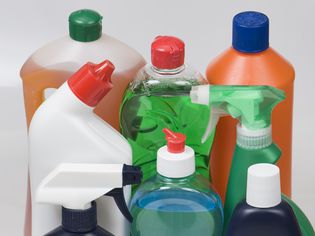
Most homes contain dangerous chemicals and caustic substances that may be toxic to dogs. Adult humans know better than to come into contact with the m

It's a common belief that a healthy cat has a cold, wet nose. Many people believe that a warm or dry nose in cats is a sign of a problem. If your cat'

The shiba inu is a small, non-sporting dog breed from Japan that has a short but thick double coat and an overall fox-like appearance. Its ears are up
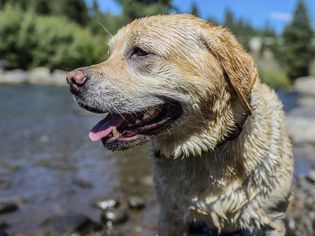
The English Labrador retriever is a medium-large sporting dog breed from the United Kingdom with a short, dense, water-repellent double coat in black,
We are a comprehensive and trusted information platform dedicated to delivering high-quality content across a wide range of topics, including society, technology, business, health, culture, and entertainment.
From breaking news to in-depth reports, we adhere to the principles of accuracy and diverse perspectives, helping readers find clarity and reliability in today’s fast-paced information landscape.
Our goal is to be a dependable source of knowledge for every reader—making information not only accessible but truly trustworthy. Looking ahead, we will continue to enhance our content and services, connecting the world and delivering value.