
How Often Should I Deworm My Dog?
How often you should deworm a dog depends on their age and whether or not they have worms. Intestinal parasites, commonly referred to as worms, are fo
Histoplasmosis is an infection caused in dogs by a specific type of fungus called Histoplasma capsulatum (H. capsulatum). While it's non-contagious and not an extremely common type of infection, dogs in certain parts of the country are at a higher risk of contracting histoplasmosis than others. This disease develops when dogs inhale spores from the fungus or ingest it, leading to serious infections that can affect major organs and become serious or fatal when untreated. Owners may notice symptoms like fever, loss of appetite, coughing, abnormal stools, and even difficulty breathing when their dogs are infected. If you suspect that your dog may have come into contact with H. capsulatum, it's important to seek veterinary help as soon as possible to prevent the infection from spreading. Owners with at-risk dogs should know about prevention, signs, and treatment methods to help their pets stay healthy.
Histoplasmosis in dogs is an infection of the fungus Histoplasma capsulatum that is caused by the dog inhaling spores, which travel through the trachea and into the lungs. Once the spores multiply, a histoplasmosis infection results. Infections can also occur in the intestines if the dog ingests the spores through its mouth instead of its nose, which can turn into a serious condition that spreads into the bloodstream or lymphatic system. This type of infection can continue to spread to major organs such as the liver, skin, spleen, and more. This type of whole-body infection is called a systemic infection.
The signs of histoplasmosis in dogs are varied depending on the severity of the infection and what parts of the body it has infected. If your dog is infected by H. capsulatum, it may experience the following symptoms:
Your dog may run a fever as a result of the infection, which can be an early sign that it's time to see a veterinarian. Signs like panting, lethargy, glassy or red eyes, and ears that feel warm to the touch can indicate that your dog has a fever.
When dogs aren't feeling well, they typically have a decrease in appetite or total lack of appetite. This can lead to weight loss, as the amount of food consumed can't keep up with the calories that are burned from day to day.
Similar to losing its appetite, your dog may become lethargic and tend to lay around at home when it's ill. While its body is fighting the infection, it will likely show a general decrease in energy that is often accompanied by losing its desire to eat.
If histoplasmosis is in the lungs, it can cause chronic coughing in dogs along with labored breathing. This is due to the infiltration of the fungal spores in the breathing passages which makes it difficult for air to circulate normally.
If histoplasmosis is in the intestinal tract, symptoms related to the digestive tract may be seen. Diarrhea that can be accompanied by dark, tarry feces or red, bloody stool is a common finding when H. capsulatum has made its home in the intestines. Some dogs, however, may only show signs of straining to defecate because of inflammation in the colon.
Any breed of dog can develop histoplasmosis, but those living in regions with higher concentrations of the H. capsulatum fungus are more susceptible. Histoplasmosis is typically caused by dogs breathing in spores of this fungus, but it can also occur in more severe cases when dogs ingest infected substances:
If your dog lives in a high-risk area or visited one of these locations within a few months of their symptoms presenting, your veterinarian will likely begin testing to determine if this fungal infection is the cause. Aside from a physical examination and discussion of symptoms that you are seeing in your dog, tests need to be run in order to definitively diagnose histoplasmosis.
Blood and urine screening along with X-rays will be performed, and if other diseases are ruled out, cytology or histopathology from certain tissues or fluids that may be affected will be done. Occasionally, surgery will need to be performed in order to obtain a tissue sample. If the H. capsulatum fungus is found on these tests, your veterinarian can confirm a histoplasmosis diagnosis.
Unfortunately, histoplasmosis can be fatal in some dogs. When dogs are treated with several months of antifungal medicine, the chances of survival are better in recent years thanks to developments in medications like fluconazole and itraconazole that cause fewer side effects than those used to treat histoplasmosis in the past.
Dogs that have infections limited to the airways typically do better than dogs that have systemic infections. Side effects of the medications can still cause some other issues, so regular monitoring of blood work and X-rays will be needed as treatment occurs until the dog recovers.
The prognosis for dogs with histoplasmosis depends on the severity of the infection, so it's best to talk to your veterinarian about the treatment options and timelines for your specific dog based on its condition.
When the disease is contained in the lungs, dogs are more likely to recover, but infections of the eyes or nervous system can become much more difficult to treat. Dogs are also less likely to recover when they had other health issues before encountering the fungus that causes histoplasmosis, and these dogs may require hospitalization until they are stable enough to continue with regular treatments at home.
The best way to prevent histoplasmosis is to limit your dog's exposure to areas that are at high risk for containing this fungus, and some measures can be taken to boost your dog's immune system:
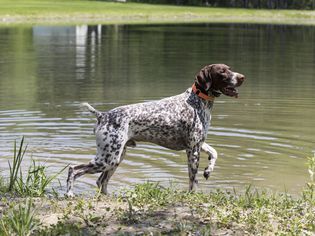
Dog owners that live in areas where the soil is kept moist and warm near rivers and lakes should be careful about letting their dogs spend time in and around the shoreline.
Areas where dogs are more susceptible to contract histoplasmosis include the Mississippi, Ohio, and Missouri river valleys, along with the Great Lakes and St. Lawrence seaway regions. Dogs that frequent these areas are more likely to come in contact with H. capsulatum spores. If your dog is at risk of contracting histoplasmosis, it is best to practice swimming safety methods and avoid the soil surrounding these bodies of water.
Owners can also talk to their veterinarians about what they can do to boost their dog's immune system to help its natural defenses. Your vet may recommend a specialized diet, nutritional supplements, and vitamins for especially high-risk dogs.

How often you should deworm a dog depends on their age and whether or not they have worms. Intestinal parasites, commonly referred to as worms, are fo

Constipation refers to the infrequent passage of dry, hard feces. If defecation is delayed and feces remain in the colon for two or three days, too mu

If you notice a lump on your cat, a fibrosarcoma is one of many possible causes. A fibrosarcoma is a type of soft-tissue sarcomas, a group of tumors t

Flu viruses occur in many species of animals, and dogs are no exception. Canine influenza, or dog flu, is a contagious virus that causes respiratory i

The Dandie Dinmont Terrier is a small terrier breed native to the border of England and Scotland with short legs, a long body, and silky hair that gro

Small hypoallergenic dogs are perfect for people who love little dogs but don’t love fur all over the house. Hypoallergenic dog breeds are also ideal

The Leonberger, or Leo, is a thick-coated giant dog with a hard-working spirit and a gentle disposition that hails from the city in Germany after whic

The papillon is a petite yet hardy toy dog with an alert, active, and friendly demeanor. They are one of the smartest dog breeds and make great compan
We are a comprehensive and trusted information platform dedicated to delivering high-quality content across a wide range of topics, including society, technology, business, health, culture, and entertainment.
From breaking news to in-depth reports, we adhere to the principles of accuracy and diverse perspectives, helping readers find clarity and reliability in today’s fast-paced information landscape.
Our goal is to be a dependable source of knowledge for every reader—making information not only accessible but truly trustworthy. Looking ahead, we will continue to enhance our content and services, connecting the world and delivering value.