
How to Train an Older Dog to Do New Tricks
While most people associate training with puppies, the reality is that dogs can learn at any age. Adult dogs are often easier to train than young pupp
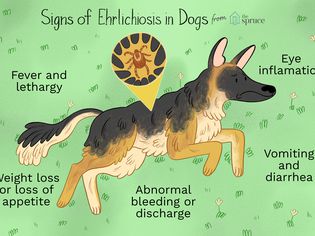
Ehrlichiosis is a disease spread to dogs by ticks. The bacteria carried by the tick attacks a dog's white blood cells and can cause symptoms such as fever, swollen lymph nodes, bleeding, and neurological issues. Ehrlichiosis infects a dog in three stages: acute, subclinical, and chronic. German shepherds are particularly susceptible to chronic ehrlichiosis. Your vet will diagnose ehrlichiosis by performing various tests and will prescribe an appropriate treatment plan. The success of treatment and the prognosis depends on the stage of the disease. Fortunately, there are several ways you can protect your dog from ticks.
Ehrlichiosis is a tick-borne illness caused by the bacteria Ehrlichia. The bacteria infects white blood cells and impacts blood platelets, sometimes causing clotting. Depending on the strength of the host's immune system, the disease can progress from acute to chronic, varying in severity ability to be treated. Not all ticks carry Ehrlichia, however. The disease is transmitted through the brown dog tick, lone star tick, and black-legged tick. Like other tick-borne diseases, it takes many hours of attachment for the tick to transmit the bacteria.
Symptoms of ehrlichiosis in dogs depend on the stage of the infection. If you notice your dog is sick following exposure to a tick-ridden area, visit your vet right away.
The symptoms of ehrlichiosis can be acute, subclinical, or chronic. The acute stage follows shortly after infection and presents a variety of non-specific symptoms such as fever, lethargy, loss of appetite, and swollen lymph nodes. Ehrlichiosis is the easiest to treat in the acute stage.
The subclinical stage doesn't present symptoms at all, and is considered the most dangerous stage. The lack of clinical signs makes the disease undetectable, thus able to progress without treatment.
Once the disease progresses to the chronic stage, symptoms will intensify and become much harder to treat. These symptoms include neurological issues, abnormal bleeding, and vision loss. Signs of other organ failures can appear in the chronic stage, especially in kidney disease.
The only way for a dog to contract ehrlichiosis is through a tick bite. Disease-carrying ticks are most common in the southeastern and south-central United States and in the Eastern Coast extending westward to Texas. While any dog can contract ehrlichiosis, some breeds, most notably German shepherds, are prone to more serious chronic infections. Sometimes dogs can become infected through a blood transfusion.
Your vet will diagnose ehrlichiosis using a physical exam, considering medical history and exposure to ticks, and running a series of diagnostic tests. Your vet will likely perform a urinalysis and blood analysis. The blood test will measure your dog's platelets, white blood cell count, protein levels, and antibodies. Specialized testing can check for genetic material from Ehrlichia, and while this is the most sensitive test, it has limitations. Confirming a diagnosis of ehrlichiosis can be challenging, as blood tests in the early stages can present false negatives. Diagnosing ehrlichiosis is further complicated because dogs infected with Ehrlichia may also be infected with other tick-borne illnesses, such as Babesia, Lyme disease, or Rocky Mountain spotted fever.
Dogs with ehrlichiosis in the acute stage respond well to treatment with the antibiotic doxycycline. Chronic ehrlichiosis requires more intensive treatment, such as IV fluids, blood transfusions, and hospitalization. In the chronic stage, symptoms may improve, but it can take months. Symptoms that stem from severe secondary infections will require specialized treatment.
The prognosis for dogs with ehrlichiosis depends on the stage of diagnosis and the success of treatment. Dogs treated during the acute stage have a high recovery rate, while dogs with chronic ehrlichiosis are challenging to treat, and the disease is often fatal. Reinfection is possible, as immunity to Ehrlichia bacteria is not long-lasting.
Limiting exposure to ticks that carry Ehrlichia is the best means of preventing ehrlichiosis. Check your dog daily for ticks and remove them safely as soon as you notice them. This is especially important in peak tick season or if your dog spends time in the woods or tall grass. Keep grass and brush trimmed and consider treating your yard and kennel area for ticks. Products that prevent ticks, such as monthly parasite preventatives or tick collars are essential to prevention.
No, not all ticks spread ehrlichiosis. The disease is spread by the brown dog tick, lone star tick, and black-legged tick.
If you suspect your dog has a tick-borne disease, visit your vet for a diagnosis. The stage of the illness is essential to the treatment plan, which your vet will design accordingly.
Your dog cannot pass you ehrlichiosis, but humans can contract the disease from ticks directly.

While most people associate training with puppies, the reality is that dogs can learn at any age. Adult dogs are often easier to train than young pupp

Pumpkin has become a staple of autumn for people, and better yet, it's one of a handful of "human" foods that are actually recommended by
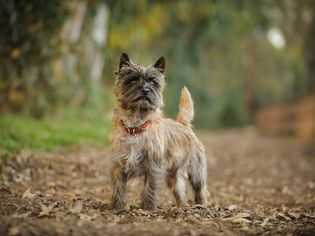
The cairn terrier is a small Scottish dog breed with a round head, short legs, coarse fur, and small, pointed ears. These dogs are smart, energetic, a
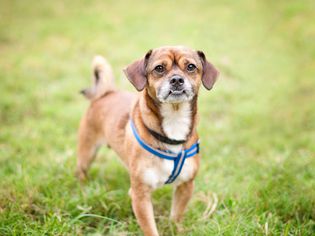
If you're looking for a small but active dog, a Chug dog, across between a Chihuahua and a pug might be what you're looking for. Some people consider
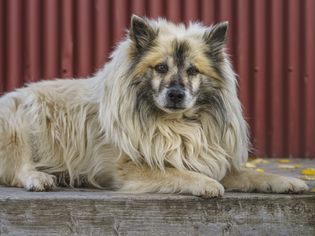
The Icelandic sheepdog is a medium-size herding dog breed from Iceland with a thick, waterproof, double coat, which comes in various colors.
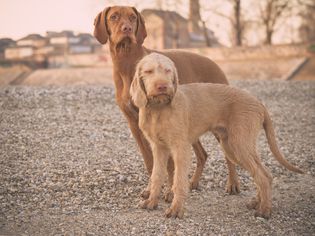
The wirehaired vizsla is a medium-size sporting dog breed from Hungary that has a short, wiry coat with a longer beard and eyebrows. It is a close rel
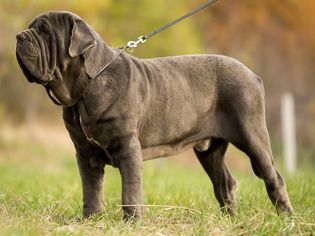
The Neapolitan mastiff is a giant working breed from Italy with wrinkly skin, short fur, a muscular build, and long, floppy jowls that droop from thei
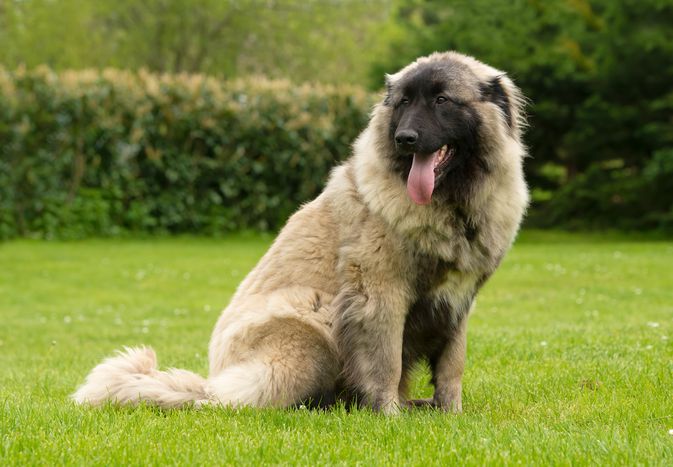
Bred to protect herds, the Estrela mountain dog is an ancient Portuguese dog breed. Today, they're utilized by the Marine and Portuguese police an
We are a comprehensive and trusted information platform dedicated to delivering high-quality content across a wide range of topics, including society, technology, business, health, culture, and entertainment.
From breaking news to in-depth reports, we adhere to the principles of accuracy and diverse perspectives, helping readers find clarity and reliability in today’s fast-paced information landscape.
Our goal is to be a dependable source of knowledge for every reader—making information not only accessible but truly trustworthy. Looking ahead, we will continue to enhance our content and services, connecting the world and delivering value.